
REVIEW · RICKSHAW TOURS
Tokyo: Asakusa Sightseeing Tour by Rickshaw
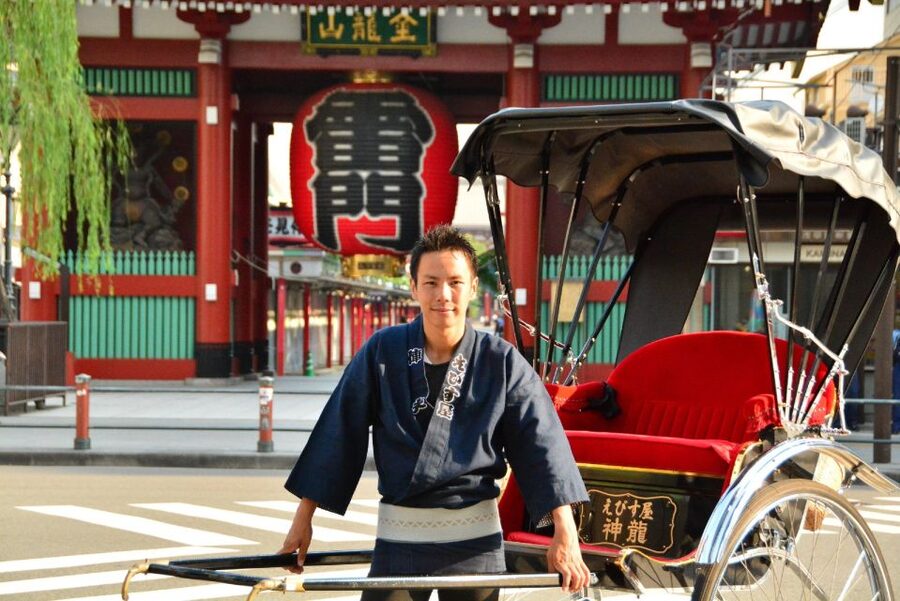
A rickshaw gives you a surprisingly personal way to see Asakusa. You sit low to the ground while your guide runs through old lanes, temple streets, shopping areas, and riverside paths. It feels less like being carried from sight to sight and more like having a local friend show you around.
I like the small private format, which lets you ask questions and request a route that suits your interests. I also like the guides’ mix of history, humor, and practical help. Masa, Kazu, Taku, Shima, and several other guides receive special praise for their English, photo skills, and easygoing style. The main drawback is price: at about $35 per person, a short ride costs more than walking, and the seat is narrow enough that some people may prefer one rickshaw per passenger.
Key points to know before booking
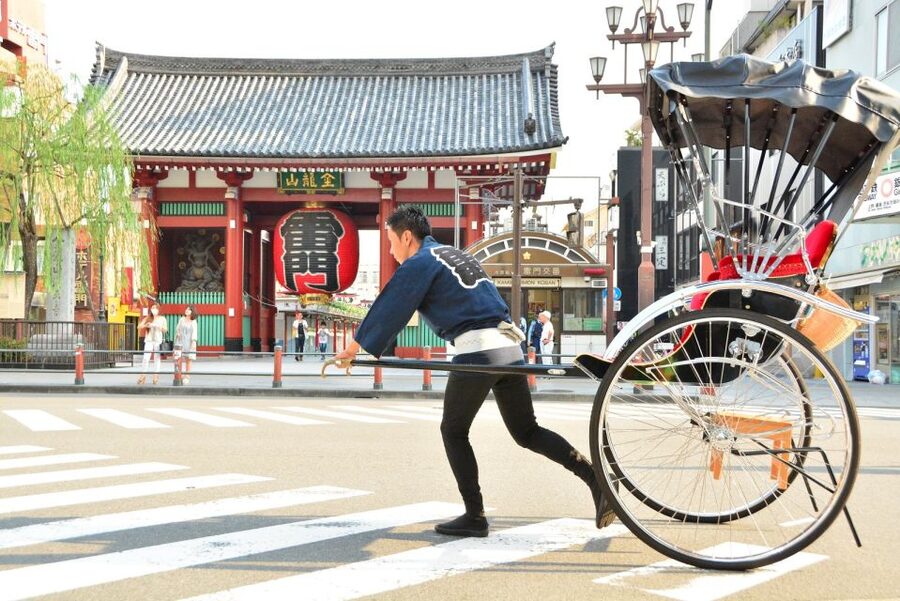
- Asakusa from a low, open-air seat: You see temple gates, shopfronts, pedestrians, and street life from a very different angle.
- Private rides for up to two adults: One rickshaw is 74 centimeters wide, so larger adults may be more comfortable booking separate rickshaws.
- A flexible route through old Tokyo: The ride can include Asakusa Shrine, Senso-ji, Bentendo Hall, Sumida Park, Hanakawado, Rokku, Tanuki-doori, and Denpoin Street.
- Guides are part of the attraction: Expect stories, local customs, jokes, photo stops, and help choosing places to eat or visit later.
- Good in several seasons: Cherry blossoms brighten Sumida Park in spring, while heated seats and blankets help in colder weather.
- Short and long versions: A 30-minute introduction works well for a quick look, while the longer options cover more of Asakusa and allow a more personal route.
Meeting the rickshaw at Asakusa Station
The meeting point is the rickshaw stand just outside Exit 1 of Asakusa Station on the Tokyo Metro Ginza Line. This detail matters. Asakusa has several stations and many exits, and the different subway lines do not put you in the same place.
Use the Ginza Line station and Exit 1, then walk a few meters to the stand along the street. Give yourself extra time if you are unfamiliar with the area. A past booking party arrived at the wrong exit and needed help finding the meeting point, so checking the map before you leave your hotel is wise.
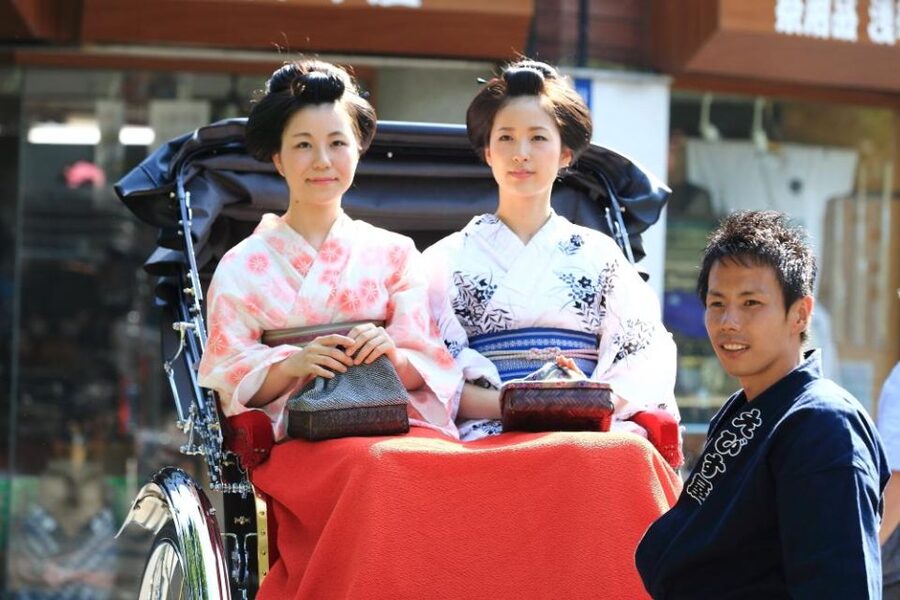
The ride is private, but you may travel with another rickshaw if your party needs more than one vehicle. Up to two adults can sit in one rickshaw. Children aged five and under ride free on an adult’s lap, with one child per adult. A child who needs their own seat must pay the adult fare.
More Rickshaw Tours in Japan
- Tokyo Asakusa Rickshaw Tour
★ 5.0 · 1,375 reviews - Kyoto: Arashiyama Customized Rickshaw Tour & Bamboo Forest
★ 5.0 · 432 reviews - Kyoto Arashiyama Rickshaw Tour with Bamboo Forest
★ 5.0 · 354 reviews
Senso-ji, Asakusa Shrine, and the rituals of old Tokyo
The core of the route centers on Asakusa’s best-known religious sights. You can expect to pass the city’s oldest temple, Senso-ji, and nearby Asakusa Shrine. The guide may also take you to smaller religious sites, including Bentendo Hall or a quieter neighborhood temple.
This is where the ride becomes more than a moving photo stop. Guides explain how to wash your hands and mouth before entering a shrine or temple area, why incense is burned, and why people draw the smoke toward their bodies. Those small explanations help you understand what you are seeing instead of simply photographing a gate and moving on.
The main temple precinct can be crowded, especially around the famous shopping approach. A rickshaw cannot make the area empty, but it lets you cover ground without spending the whole morning walking through the same crowded stretch. Your guide can also point out details you might miss from street level, then suggest places to explore on foot after the ride.
You should expect some stops to be photo-focused rather than long visits inside every building. This experience is best for learning the shape and meaning of Asakusa, not for replacing a full temple visit.
Hanakawado and the view toward the Sumida River
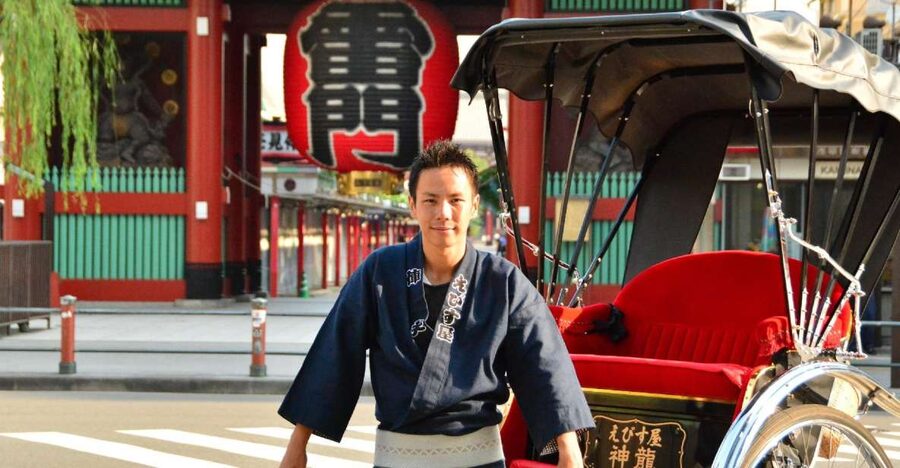
The route can continue toward Hanakawado, an area known for shoe shopping and views in the direction of the Sumida River. From a rickshaw, you get a moving look at storefronts, side streets, and ordinary neighborhood life without the enclosed feeling of a bus.
Sumida Park is especially appealing in spring, when thousands of cherry trees bloom. The park offers a change of pace from temple grounds and commercial streets, with open space, trees, and river views. If your visit falls outside cherry-blossom season, the park is still a useful pause in the route, but spring is clearly the most scenic time.
The open seating also changes with the weather. In hot summer conditions, the breeze can make the ride more pleasant than walking through the same streets. In cold months, heated seats and blankets have been provided, which makes the experience more comfortable than you might expect. Rain or snow does not necessarily cancel the ride, but poor weather will affect your views and comfort.
Rokku, Tanuki-doori, and Denpoin Street
Asakusa is not only temples and cherry trees. The ride introduces you to Rokku, a historic entertainment district with old adult theaters, and Tanuki-doori, a quirky street with a different mood from the temple zone. These areas help you see the neighborhood as a place where religious life, shopping, entertainment, and everyday business have long existed side by side.
You also pass Hanayashiki, Japan’s oldest amusement park, and can stop for souvenir photos. The park gives the route a playful turn, especially for families and anyone interested in unusual pieces of Tokyo history.
Denpoin Street is another strong part of the longer rides. Its older appearance recalls the neighborhood as it was around the period before and after World War II. The street is not a museum set, but the older shopfronts and quieter pace give you a sense of how different Asakusa feels away from the main temple approach.
A short ride may only cover the central sights. If you want Rokku, Hanayashiki, the park, and Denpoin Street, choose a longer option and confirm the route with your guide at the start.
Same place, a completely different ride:
- Kyoto Rickshaw Tour
★ 5.0 · 210 reviews - Kyoto: Private Rickshaw Tour of Gion and Higashiyama Area
★ 5.0 · 144 reviews - Otaru Rickshaw Tour
★ 5.0 · 76 reviews - Kamakura Rickshaw Tour
★ 5.0 · 53 reviews
What the guides add to the ride
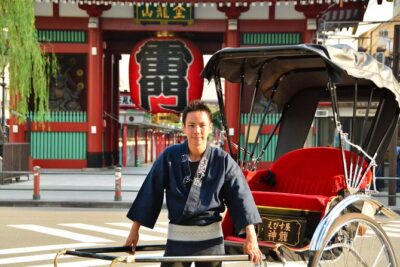
The guide is the heart of this experience. A rickshaw is memorable on its own, but the stories make it useful. Guides such as Shima, Masa, Kazu, Taku, and Yusuke have been praised for clear English, strong local knowledge, humor, and careful driving through streets shared by cars and pedestrians.
You can expect your guide to explain temples, point out landmarks, answer questions, and take photographs with your phone. Several guides have been especially good at working with children and teenagers, using anime references, music, jokes, or simple conversation to keep younger passengers involved.
The tone can vary by guide. Some people prefer a more formal history lesson, while others enjoy lively storytelling and plenty of jokes. One booking received a lower score because the guide’s English and historical explanations could have been stronger. That is a useful reminder that the experience depends partly on who is assigned to your rickshaw.
The company offers English and Japanese. If detailed English history is your top priority, mention that when booking or at the meeting point. If you mainly want photos, local orientation, and a fun ride, the guides appear particularly well suited to that.
Choosing between 30 minutes and three hours
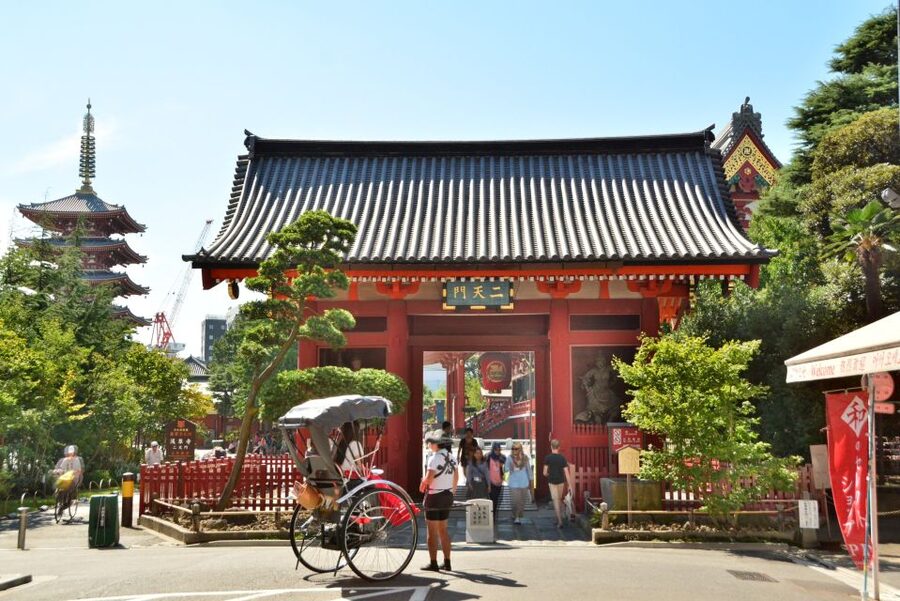
The 30-minute option is a good test. You get the rickshaw experience, a taste of central Asakusa, a few explanations, and photo opportunities without committing much time. If you have a layover, young children, or a packed Tokyo schedule, this is a sensible choice.
The 70-minute option gives the ride room to breathe. You can see more than the central temple area and still have time for conversation and stops. It is probably the best balance for most first-time visitors, especially if you want an introduction before exploring Asakusa on foot.
The longer choices, lasting up to about 190 minutes, suit you if Asakusa is a major part of your day. A longer ride can reach quieter temples, old streets, gardens, entertainment areas, and riverfront scenery. You also have more time to customize the route around temples, shopping, photography, or local food suggestions.
The three-hour option includes a choice of a special Hello Kitty doll or an original T-shirt as a commemorative gift. That adds value for families and collectors, though you should not choose the long ride only for the souvenir. The main benefit is the extra time and broader route.
Is the $35 price good value?
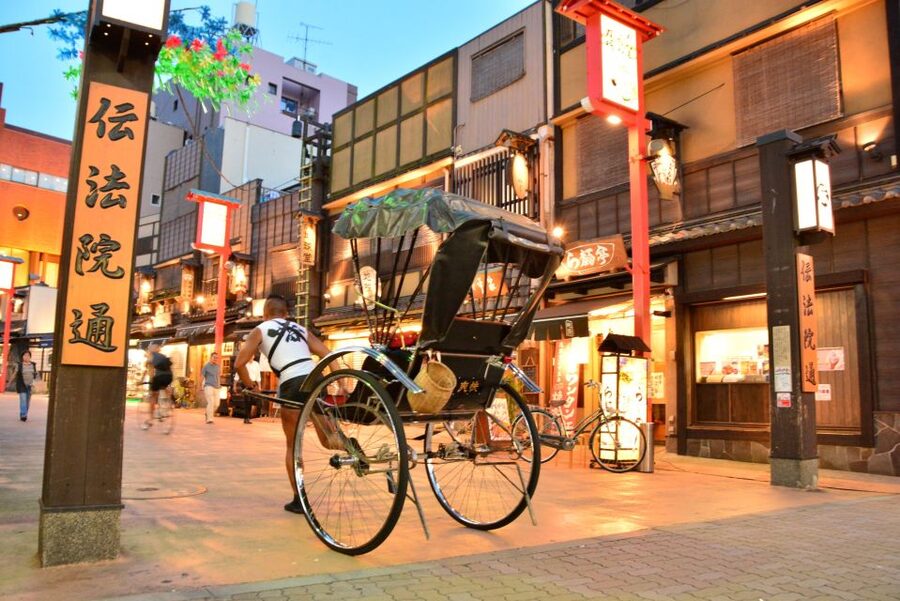
At about $35 per person, this is not the cheapest way to see Asakusa. Walking costs nothing, and the district is well suited to exploring on foot. You are paying for the rickshaw, the guide’s time, private attention, local explanations, and the ability to cover several types of sights without navigating the streets yourself.
The value improves if you are new to Tokyo, have limited time, or want help with photography and orientation. A guide can show you where to return later, explain local customs, and suggest places to eat or things to try. The ride can also work well at the start of a Tokyo visit, giving you a practical map of the neighborhood.
For two adults sharing a rickshaw, the price feels more reasonable than for one person taking a short ride. Solo visitors can still enjoy it, but the cost per passenger is harder to justify if budget is your main concern. The 30-minute version is the safest choice for testing the value.
Comfort, access, and practical limits
Each rickshaw is 74 centimeters wide. That is fine for many people, but the seat is not generous. If you want more room, book individual rickshaws rather than sharing one.
The activity is wheelchair and stroller friendly, but you should still mention your needs when arranging the ride. The vehicle is open, and the ride takes place on active city streets, so comfort can vary with traffic, weather, and the number of passengers.
Pregnant people should note the stated restriction. The tour is not recommended during the first 16 weeks of pregnancy and is listed as unsuitable for pregnant women. Selfie sticks are not allowed, but your guide can take photographs with your phone.
Snacks and drinks are not included. Bring water in warm weather, especially if you choose a long ride. Summer in Tokyo can be hot and humid, while spring and autumn may offer the most comfortable conditions for sitting outdoors.
Who will enjoy this Asakusa ride most?
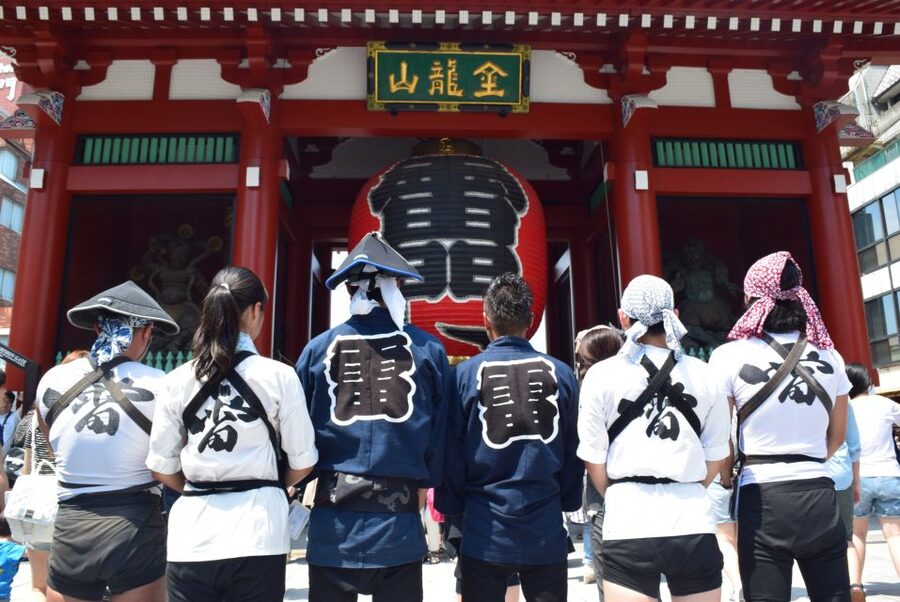
I would recommend it to first-time Tokyo visitors who want context before exploring independently. It is also a good fit for families, older visitors, couples, solo guests, and anyone who wants a gentler way to cover a historic district.
Families benefit from the private format and the guides’ willingness to engage children. Couples and solo guests get easy photo stops without having to ask strangers for pictures. People with only a few hours in Tokyo can see temples, old streets, a park, and the river area in one organized outing.
I would be more cautious if you dislike open-air rides, have difficulty with a narrow seat, or want a quiet, formal lecture. The guides are energetic and often playful. That is a strength for most people, but not every guide will suit every personality.
Should you book the Asakusa rickshaw tour?
Book it if you want personal guidance, good photos, and a quick introduction to several sides of Asakusa. The temples are only part of the appeal. You also get old streets, amusement-park history, river scenery, neighborhood rituals, and lively conversation with a local guide.
For most people, I would choose 70 minutes. Pick 30 minutes if your schedule is tight, and choose two to three hours if you want a customized route or the Hello Kitty doll or T-shirt gift. Check the correct Asakusa station before leaving, bring water in summer, and consider separate rickshaws if two adults need extra space.
FAQ
Where does the Asakusa rickshaw tour meet?
Meet at the rickshaw stand just outside Exit 1 of Asakusa Station on the Tokyo Metro Ginza Line. The stand is a few meters from the exit along the street.
Is the meeting point at every Asakusa Station?
No. Asakusa has stations on different subway lines, and they do not share the same exits. Use the Tokyo Metro Ginza Line station and Exit 1.
How long does the rickshaw tour last?
Available durations range from 30 minutes to about 190 minutes. Starting times depend on availability.
How many people can ride in one rickshaw?
A maximum of two adults can ride in one rickshaw. Each vehicle is 74 centimeters wide.
Can children ride for free?
Children aged five and under can ride free on an adult’s lap, with one child per adult. A child who needs their own seat must book and pay the adult fare.
Is the tour private?
Yes. The activity uses a private group format, so your rickshaw is not shared with unrelated passengers.
Is the tour available in English?
Yes. Live guides are available in English and Japanese.
Can the route be customized?
Yes. The activity can be customized according to your interests. Discuss your preferred sights with the guide at the start.
Is the rickshaw tour wheelchair and stroller friendly?
Yes. The activity is listed as wheelchair and stroller friendly.
Are food and drinks included?
No. Snacks and drinks are not included, so bring or buy what you need before or after the ride.
More Tuk Tuk City Tours in Japan
- Asakusa, Tokyo: Rickshaw Experience and Highlights Walking tour
★ 5.0 · 47 reviews - [30 minutes] Rickshaw tour around Asakusa [History, sightseeing, Tokyo Skytree]
★ 5.0 · 38 reviews - Tokyo: Asakusa Highlights Walking (OP : Rickshaw Experience)
★ 3.5 · 4 reviews - Otaru: Private Otaru Sightseeing Tour by Rickshaw
★ 5.0 · 4 reviews
Just added around Japan
- Sushi Making Tokyo with Traditional Rickshaw Ride Tour in Asakusa★ 5.0 · 12 reviews
- Otaru Rickshaw Tour★ 5.0 · 76 reviews
- Hot Spring Capital of Yufuin Rickshaw Tour★ 5.0 · 32 reviews
- Exiting Rickshaw ride and Kimono experience★ 5.0 · 4 reviews
- Kyoto Sagano Insider: Rickshaw and Walking Tour★ 5.0 · 15 reviews
- Private 3-hour Kyoto Arashiyama Rickshaw Tour★ 5.0 · 5 reviews
- Kurashiki Rickshaw Tour★ 5.0 · 39 reviews
- Kamakura Rickshaw Tour★ 5.0 · 53 reviews
Rickshaw Tours, compared.
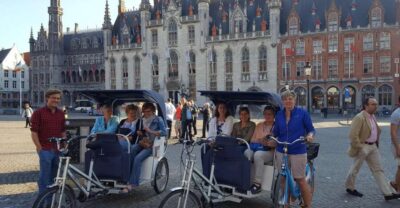

Old Delhi Food, Heritage&Cultural Walk with Rickshaw ride to Masterji Kee Haveli
Read our review →
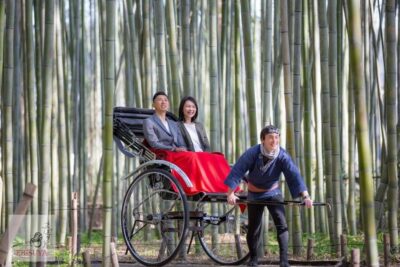
Arashiyama Customized Rickshaw Tour & Bamboo Forest
Read our review →
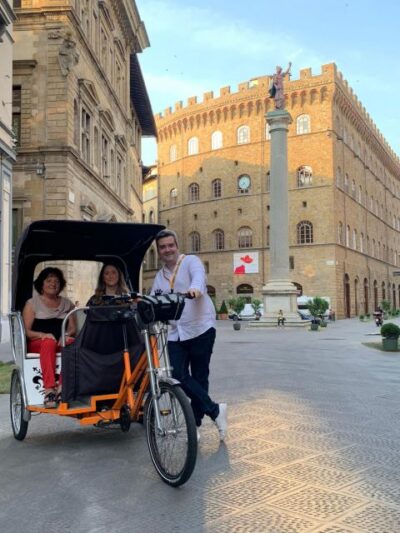
Split by Private Electric Rickshaw – Palace & Hidden Gems
Read our review →
Where else this ride shows up