
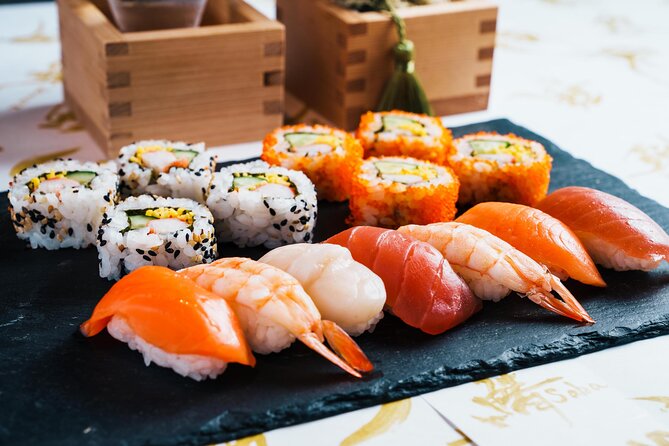
REVIEW · RICKSHAW TOURS
Sushi Making Tokyo with Traditional Rickshaw Ride Tour in Asakusa
The best part of this Asakusa outing is the pairing of hands-on sushi making with a traditional rickshaw ride. You do not just look at Japanese culture from a street corner. You prepare food, eat it, then roll through one of Tokyo’s oldest-feeling districts while a local guide points out the sights.
I like the friendly English-language hosting and the generous length of the rickshaw ride. I also like the simple rhythm: learn, eat, listen, and look around. The main consideration is price. At $156.77 per person, this is not a cheap way to spend a morning or afternoon, and the value depends on how much you want both activities rather than sushi class alone.
Key points at a glance
- Sushi preparation and a meal: Ingredients, instruction, and the food you make are included.
- A 1.5-hour rickshaw ride: See Asakusa from a slower, open-air seat with a local guide.
- English throughout: The instructor and rickshaw staff conduct the experience in English.
- Guides with warm personalities: Shogo and Hero are among the staff names associated with especially friendly hosting.
- A convenient Kaminarimon meeting point: The tour begins and ends at 2-chōme-17-9 Kaminarimon.
- A weather-sensitive plan: Poor weather can lead to a new date or a full refund.
Why the sushi and rickshaw combination works
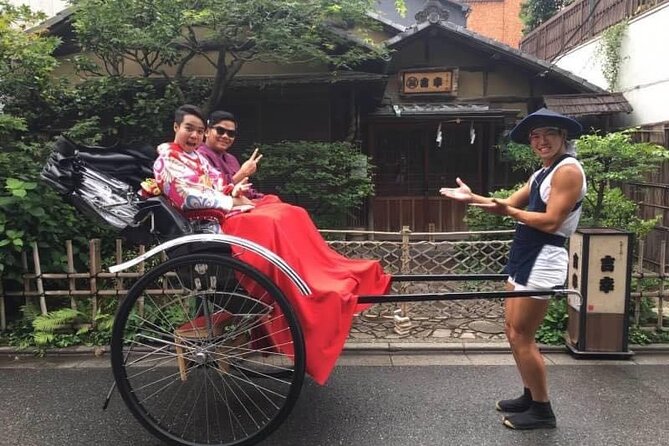
Tokyo offers endless food classes and plenty of sightseeing rides. This outing makes the two feel connected. Sushi gives you a practical way to take part in Japanese food culture, while the rickshaw adds a guided look at Asakusa’s old streets and temple-district atmosphere.
I like this combination because the activities use different parts of your attention. During the class, you work with your hands and focus on technique. In the rickshaw, you sit back and let the city pass at a more human speed. It is a useful change from a full day of walking through Tokyo’s crowded stations and shopping streets.
The experience lasts about three and a half hours. The cooking portion is listed at about one hour and 50 minutes, followed by roughly one hour and 30 minutes in the rickshaw. That is long enough to feel like a real half-day activity, but short enough to fit around other plans in Asakusa.
More Rickshaw Tours in Japan
- Tokyo Asakusa Rickshaw Tour
★ 5.0 · 1,375 reviews - Kyoto: Arashiyama Customized Rickshaw Tour & Bamboo Forest
★ 5.0 · 432 reviews - Kyoto Arashiyama Rickshaw Tour with Bamboo Forest
★ 5.0 · 354 reviews
Making sushi in an English-language class
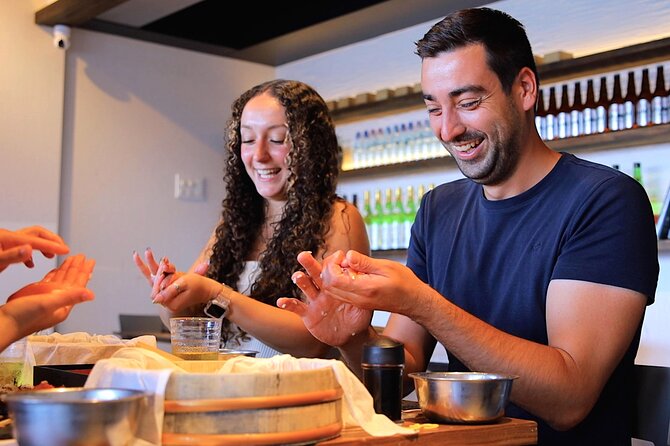
The cooking class is the heart of the experience. Your English-speaking instructor supplies the ingredients and leads you through the preparation. You then eat the food you have made, so the class is not simply a demonstration with a few samples at the end.
That matters if you want a cultural activity with a clear result. You leave having learned a basic sushi-making process and having enjoyed a meal. The class is also a good fit for people who like food but do not want a formal restaurant tasting with long explanations and small portions.
The available feedback points to three consistent strengths: fresh food, clear instruction, and a relaxed mood. One comment describes the food as very fresh, while another highlights the educational side of learning how sushi is crafted. You can expect the staff to keep the session social and approachable rather than stiff.
The class is conducted entirely in English, which removes one of the main barriers for international visitors. The provider also describes its staff as having overseas experience, so the teaching is designed for an international audience. Still, keep your expectations sensible. This is a short introductory class, not professional chef training, and the supplied information does not promise advanced knife work or a long lesson on regional sushi styles.
The food is included in the price, along with the ingredients. That gives the class more value than an activity where you pay an admission fee and then buy lunch separately. If you are comparing this tour with a cheaper sushi workshop, check carefully whether that rival includes the meal and whether it pairs the cooking lesson with another activity.
Riding through Asakusa for 90 minutes
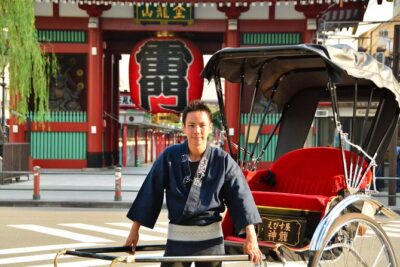
After the food portion, the rickshaw ride gives you a different view of Asakusa. The district is presented as an area that recalls Tokyo’s Edo period, when the city had a very different pace and shape. You will pass through historic-looking streets and alleys while a local staff member explains the area.
A 90-minute ride is a serious part of the tour, not a brief photo stop. You have time to settle into the seat, hear stories, and take in the surroundings without trying to navigate on foot. The rickshaw also gives you a higher viewpoint than walking, which can make street scenes easier to see.
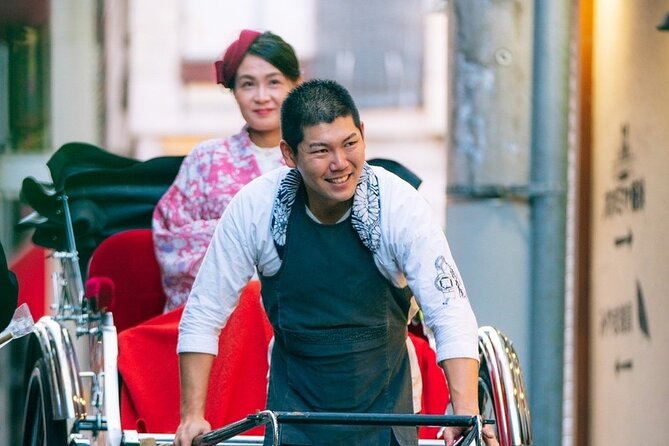
The guides are a major part of the ride. Shogo is praised for providing an excellent ride, and Hero is described as kind, entertaining, and eager to make people happy. Those details suggest that the quality of your outing will depend partly on the individual guide’s energy and storytelling style. A lively guide can turn a simple ride into a memorable introduction to Asakusa.
This is not a silent transport service. Expect conversation, local stories, and a generous dose of hospitality. If you prefer to explore at your own pace, stop whenever you want, or spend the entire outing inside a museum, the fixed route and guided format may feel limiting. If you like having the setting explained as you go, the ride should be the stronger half of the tour.
The activity requires good weather. That is worth noting because the rickshaw portion is central, not an optional extra. If poor weather cancels the outing, you will be offered another date or a full refund.
What makes Asakusa a good setting
Asakusa is one of Tokyo’s easiest districts for a first cultural activity. It has a strong sense of place, a famous gateway near Kaminarimon, and streets that feel different from the modern towers and neon districts elsewhere in the city.
The tour begins at 2-chōme-17-9 Kaminarimon in Taito City and returns to the same meeting point. This makes planning easier. You do not need to arrange a taxi to a distant drop-off or worry about ending in an unfamiliar part of Tokyo.
The location is near public transportation, although the exact station directions are not supplied. Give yourself enough time to reach the meeting point, especially if you are crossing Tokyo by train. The mobile ticket is convenient, but it does not replace checking the address and local start time before you leave.
The area also makes a sensible base for more sightseeing after the tour. Since the experience ends where it begins, you can continue exploring Asakusa on foot, find a separate meal, or return to your hotel. The tour itself does not include hotel pickup or drop-off.
Same place, a completely different ride:
- Kyoto Rickshaw Tour
★ 5.0 · 210 reviews - Tokyo: Asakusa Sightseeing Tour by Rickshaw
★ 4.9 · 195 reviews - Kyoto: Private Rickshaw Tour of Gion and Higashiyama Area
★ 5.0 · 144 reviews - Otaru Rickshaw Tour
★ 5.0 · 76 reviews
Is $156.77 a fair price?
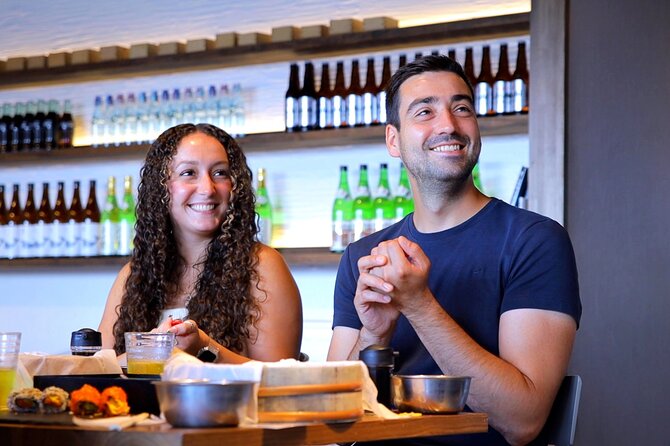
At $156.77 per person, the cost is high for a short cooking class. It becomes easier to justify when you count the full package: about three and a half hours, an English-speaking instructor, ingredients, the meal you prepare, and a 90-minute rickshaw ride with a local guide.
I would consider it reasonable for someone who wants a ready-made cultural outing and values personal hosting. You are paying for coordination as much as for food. The staff handles the lesson, meal, and ride, so you do not have to research a cooking school and then arrange a separate Asakusa tour.
The price is less attractive if your main goal is simply to eat sushi. Tokyo offers many ways to enjoy sushi without paying for a rickshaw ride, and the class is not described as an advanced culinary course. Likewise, if you have already booked a separate rickshaw tour of Asakusa, you may be paying twice for a similar activity.
The small group limit is listed as 30 people. That is a maximum, not a promise that every departure will be full. A group of that size could feel social and lively, but it may also mean less personal attention during the cooking portion. If hands-on help at every step is important to you, ask about the expected group size before booking.
Who will enjoy this outing most
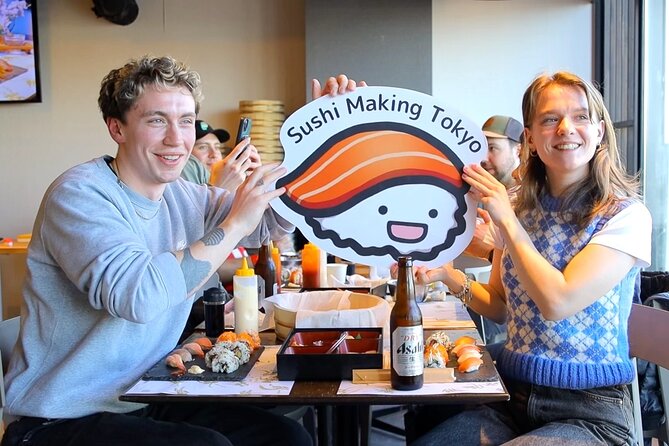
I would recommend this tour to first-time visitors who want an easy introduction to Japanese food and Asakusa in one booking. It also suits couples, families, and small groups who enjoy doing something together rather than simply following a sightseeing route.
Food lovers will appreciate making the meal instead of only eating at a restaurant. People interested in local culture will get both a practical activity and a guided look at one of Tokyo’s traditional districts. The English-language format is useful for anyone who wants to ask questions without relying on translation software.
The tour may also work well early in a Tokyo stay. You get an introduction to Asakusa, a taste of Japanese hospitality, and a sense of how the city’s older districts differ from modern shopping areas. You can then return later with a better idea of where you want to spend more time.
I would hesitate to recommend it to someone on a strict budget, someone who dislikes group activities, or anyone hoping for a serious sushi apprenticeship. The maximum group size of 30 may feel too large for a person seeking close instruction. And because the ride depends on good weather, it is not the best choice if your schedule has no flexibility.
Practical details before you book

Plan on being occupied for about three hours and 30 minutes. The cooking segment is about one hour and 50 minutes, and the rickshaw segment is about one hour and 30 minutes. The exact flow should be confirmed at booking, but the experience is designed as a single connected activity rather than two separate appointments.
Wear something comfortable for sitting and eating. The supplied details do not specify clothing requirements, dietary arrangements, or allergy procedures, so contact the provider before booking if you have food restrictions or need special assistance.
Most people can participate, and the activity is near public transportation. The provider lists a maximum of 30 participants. Hotel transport is not included, so you are responsible for reaching Kaminarimon and making your own way afterward.
Confirmation arrives within 48 hours, subject to availability. You can cancel for a full refund up to 24 hours before the start time. Changes or cancellations inside that 24-hour window are not accepted, and the amount paid is not refunded. The cut-off follows local Tokyo time, so do not leave cancellation decisions until the last minute.
Should you book the sushi and rickshaw tour?
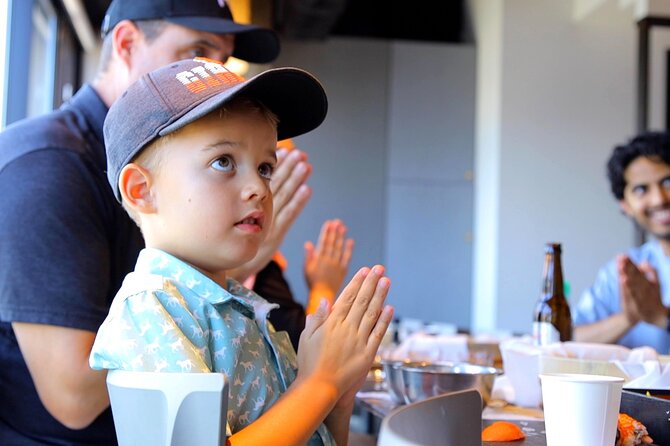
Book it if you want one friendly, guided package that combines food, local stories, and a slow ride through Asakusa. The English-language class, included meal, and long rickshaw segment give the experience more substance than a quick demonstration or short photo ride.
Skip it if $156.77 feels too steep for an introductory cooking lesson, or if you have already arranged a sushi class and an Asakusa tour separately. The best reason to choose this outing is the combination. The sushi and rickshaw portions support each other, giving you a practical taste of Japanese culture followed by a relaxed look at the neighborhood.
FAQ
Where does the tour start and finish?
It starts at 2-chōme-17-9 Kaminarimon, Taito City, Tokyo 111-0034, Japan, and ends back at the same meeting point.
How long does the experience last?
The total duration is approximately three hours and 30 minutes. The cooking class is listed at about one hour and 50 minutes, followed by a rickshaw ride of about one hour and 30 minutes.
Is the tour conducted in English?
Yes. The cooking instructor and local staff conduct the experience in English.
Are the sushi ingredients and meal included?
Yes. The price includes the cooking-class ingredients and the meal you prepare.
Is hotel pickup included?
No. You must make your own way to the Kaminarimon meeting point, and hotel drop-off is not included.
How many people can join the tour?
The activity has a maximum group size of 30 people.
Can I cancel for a full refund?
Yes, if you cancel at least 24 hours before the experience starts. Cancellations made less than 24 hours before the start time are not refunded. If poor weather causes the provider to cancel, you will be offered a different date or a full refund.
Just added around Japan
- Otaru Rickshaw Tour★ 5.0 · 76 reviews
- Hot Spring Capital of Yufuin Rickshaw Tour★ 5.0 · 32 reviews
- Exiting Rickshaw ride and Kimono experience★ 5.0 · 4 reviews
- Kyoto Sagano Insider: Rickshaw and Walking Tour★ 5.0 · 15 reviews
- Private 3-hour Kyoto Arashiyama Rickshaw Tour★ 5.0 · 5 reviews
- Kurashiki Rickshaw Tour★ 5.0 · 39 reviews
- Kamakura Rickshaw Tour★ 5.0 · 53 reviews
- Kamakura Heritage Bike or Walk Tour with ex-Rickshaw guide★ 5.0 · 11 reviews
Rickshaw Tours, compared.

Old Delhi Food, Heritage&Cultural Walk with Rickshaw ride to Masterji Kee Haveli
Read our review →
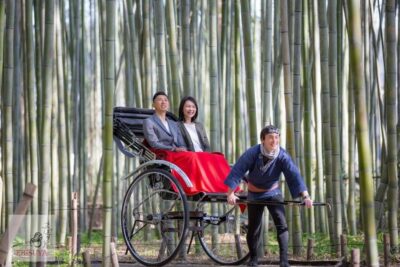
Arashiyama Customized Rickshaw Tour & Bamboo Forest
Read our review →
Split by Private Electric Rickshaw – Palace & Hidden Gems
Read our review →
Where else this ride shows up