
REVIEW · RICKSHAW TOURS
Private 3-hour Kyoto Arashiyama Rickshaw Tour
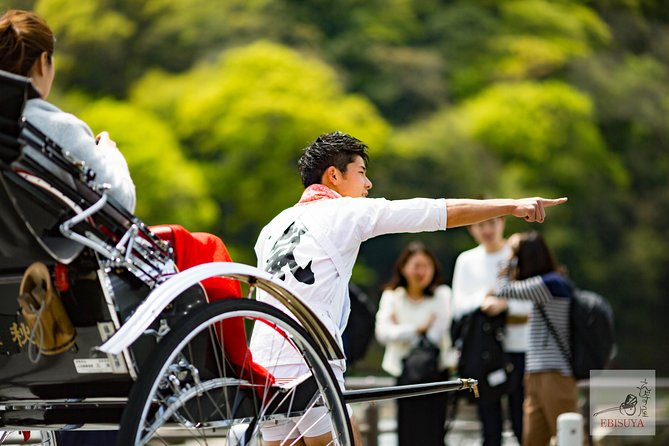
Arashiyama is at its best when you can leave the main road behind. This private rickshaw ride carries you through bamboo, quiet temple lanes, and leafy corners that are easy to miss on foot. The seasonal focus on Shinryoku, the rich green of fresh leaves, gives the morning a clear theme rather than making it just a sightseeing loop.
I like the way your guide can adjust the route between green stops and more unusual temples, and I like the personal service. Guides such as Tai Tai, Yoppy, Akihisa, and Takeda have been praised for clear explanations, friendly care, and taking strong photographs. The main consideration is price: at $236.44 per person, this is a premium outing, and temple admission costs extra.
Key points to know before you book
- Private ride through Arashiyama: Only your group takes part, so the experience feels more personal than a large walking tour.
- Seasonal Shinryoku focus: This tour is offered from late spring to early summer, when fresh green foliage is the star.
- Two route styles: Choose moss gardens and leafy temples, or stone figures and unusual Buddhist sites.
- A guide who does more than pull the rickshaw: Live commentary, local stories, route advice, and photographs are part of the appeal.
- Three hours without hotel transfers: You meet near Arashiyama and make your own way back after the ride.
- Extra costs matter: Food, drinks, and admission to the temples and gardens are not included.
Why a rickshaw works well in Arashiyama
Arashiyama looks compact on a map, but its sights spread across lanes, temple grounds, wooded hills, and the bamboo forest. Walking between everything can take time, especially if you want to reach the less central temples. A rickshaw lets you cover more ground while your guide supplies the local context.
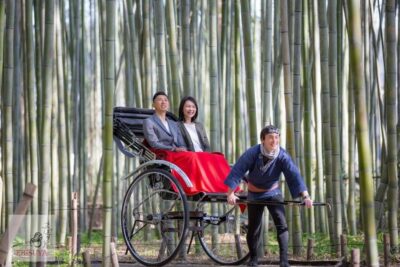
The ride itself is part of the experience. You are seated beside one other adult, with a seat width of about 74 centimeters. The driver does the work while you look around, listen, and stop for views or photographs. This is especially useful during a first visit, when you may not yet know which paths lead beyond the most famous sights.
The tour is private, but that does not mean you get a completely custom schedule with unlimited stops. The available choices are built around a three-hour route, with several visits lasting about 20 minutes. That gives you a useful taste of several places, not an in-depth visit to every temple.
You meet at 1-1 Sagatenryūji Susukinobabachō in Ukyo Ward, close to Arashiyama’s sightseeing area. Hotel pickup and drop-off are not included, and the tour finishes at a different location, so check the final meeting details carefully before setting out.
More Private Tuk Tuk Tours in Japan
- Kyoto: Private Rickshaw Tour of Gion and Higashiyama Area
★ 5.0 · 144 reviews - Miyajima: Private Rickshaw Tour to Itsukushima Shrine
★ 4.9 · 45 reviews - Private Miyajima Rickshaw Tour Including Itsukushima Shrine
★ 5.0 · 32 reviews
The morning theme: Kyoto’s fresh green season
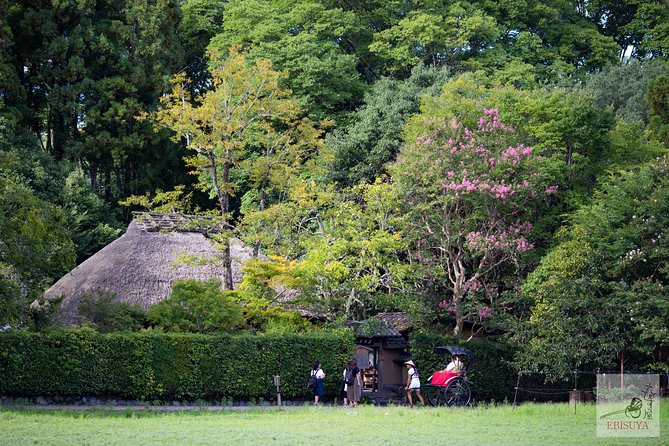
This experience is designed for late spring to early summer. That timing matters. The idea of Shinryoku refers to the fresh, deep green leaves that fill Kyoto’s temple gardens and wooded paths after spring growth begins. Arashiyama has plenty of famous sights in every season, but this tour is aimed at a particular mood: cool shade, moss, leaves, and temples set among trees.
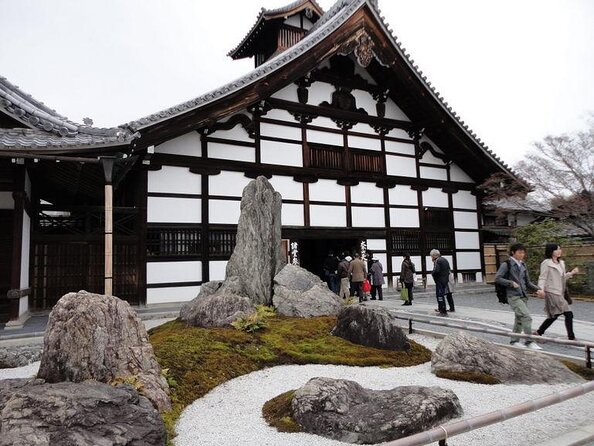
The route is not simply about collecting famous buildings. It shows why Japanese gardens and temple grounds often place such value on color, texture, and quiet. At Gio-ji, moss becomes the main attraction. At Jojakkoji, the climb through the trees is part of the visit. At the bamboo forest, the setting changes again, with tall stalks creating a narrow green corridor.
You should also keep the weather in mind. The supplied details describe this as a late spring to early summer experience, but past ride details mention warm blankets and heated seats during colder conditions. That suggests the operator has experience making the ride comfortable in changing weather, though you should still dress for the season confirmed for your booking.
Gio-ji’s moss garden and the green route
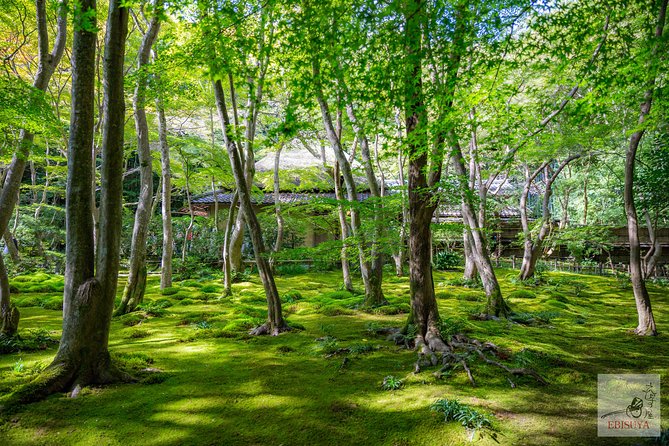
Gio-ji is one of the strongest choices for the tour’s green theme. Its moss garden is vivid even in shade, and the quiet setting gives you a break from Arashiyama’s better-known roads. The visit is planned for about 20 minutes, which is enough to see the garden and hear the basic story from your guide, though not enough for a slow, meditative temple visit.
I like this stop because it rewards close attention. You are not looking for a giant hall or a famous statue. You are looking at the ground, the trees, the damp tones, and the way the garden changes in filtered light. Your guide can help you notice why the place feels different from a more formal temple compound.
Admission is not included. That is a recurring point across the route, so budget for temple and garden fees in addition to the tour price. The operator does not specify a combined admission total, so you should not assume that the $236.44 covers entry.
Jojakkoji and the climb through the trees
Jojakkoji offers another green option, but it demands more from your legs. The temple sits on a hill, and you climb a series of steps beneath the trees to reach the upper area. At the top, you can catch a view over Kyoto.
The climb is part of the reward, but it is also the clearest physical consideration in the itinerary. This is not a ride that eliminates all walking. You will leave the rickshaw and use temple paths and steps, so comfortable shoes are sensible. The planned stop lasts about 20 minutes, which may feel short if you want to climb slowly, pause for photographs, and take in the view.
The payoff is a change of perspective. Much of Arashiyama is experienced at street level, with bamboo and temple walls close around you. Jojakkoji gives you height and a wider look toward the city. If you want the most scenic version of the green route, this is likely the stop that matters most.
More Rickshaw Tours in Japan
- Tokyo Asakusa Rickshaw Tour
★ 5.0 · 1,375 reviews - Kyoto: Arashiyama Customized Rickshaw Tour & Bamboo Forest
★ 5.0 · 432 reviews - Kyoto Arashiyama Rickshaw Tour with Bamboo Forest
★ 5.0 · 354 reviews - Kyoto Rickshaw Tour
★ 5.0 · 210 reviews
The bamboo forest and the matchmaking shrine
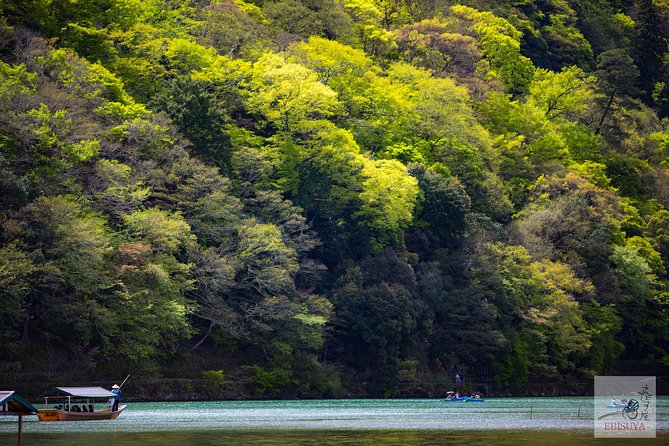
The bamboo forest is one of Arashiyama’s icons, and the rickshaw route includes it as a central part of the experience. The bamboo creates a dramatic setting, but the ride is not only about passing through the famous path and taking a quick picture. Your guide can connect the forest to the surrounding neighborhood and point out details that are easy to miss when you are focused on getting the classic photograph.
Within the bamboo setting is a Shinto shrine dedicated to the goddess of matchmaking. It offers a different kind of visit from the Buddhist temples. You are moving from gardens and statues to a place connected with Shinto belief and personal wishes.
The exact stop is not given a formal name in the supplied details, so I would treat it as a short shrine visit rather than plan your whole morning around it. The value comes from seeing another side of Arashiyama in the same route. You also avoid the problem of building a day only around the famous bamboo path.
Adashino Nenbutsu-ji and the meaning of stone figures
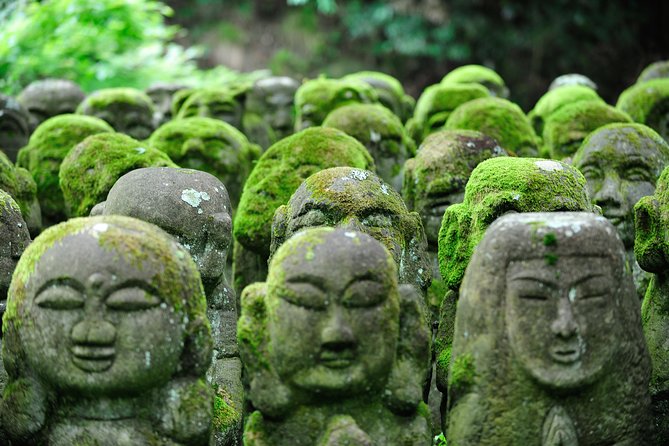
Adashino Nenbutsu-ji is part of the unique route. Its grounds contain a large number of stone figures, each connected to a meaningful past. The setting is more reflective than playful, and the statues give your guide a chance to explain how Buddhist memorial traditions appear in the temple grounds.
The stop is scheduled for around 20 minutes. That is enough for an introduction and a look around, but you may want more time if you like religious art or want to read every detail. The tour’s structure means you will need to keep moving to reach the next site.
This is a good choice if you want Arashiyama to feel less polished and more layered. The bamboo forest is visually immediate. Adashino Nenbutsu-ji asks you to slow down and consider the purpose behind the figures. Admission is extra, as it is at the other temples.
Otagi Nenbutsu-ji and the playful side of Kyoto
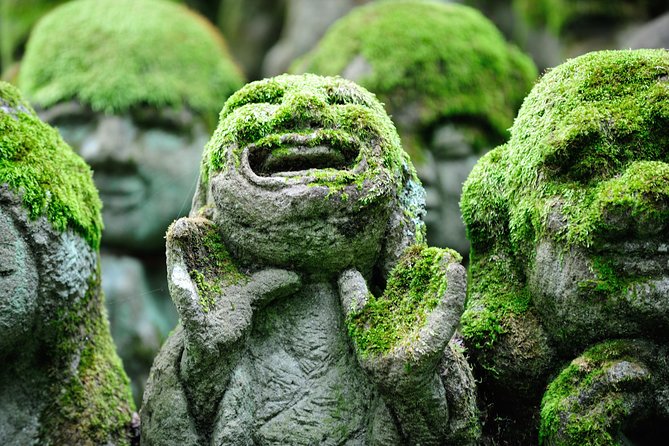
Otagi Nenbutsu-ji also has many stone figures, but its tone is very different. The figures are humorous and expressive, making this one of the most approachable stops for families. Children can look for faces and unusual poses rather than being asked to quietly admire a formal hall.
I would choose this temple if you want some lightness in the route. Arashiyama can easily become a sequence of gardens, sacred buildings, and solemn explanations. Otagi Nenbutsu-ji breaks that pattern without losing the Buddhist setting.
The planned visit is about 20 minutes, and admission is not included. Since the stop is farther along the route than the main bamboo area, the rickshaw is particularly useful here. You can reach a distinctive temple without spending the morning navigating every lane on foot.
Seiryoji and a special Buddhist statue
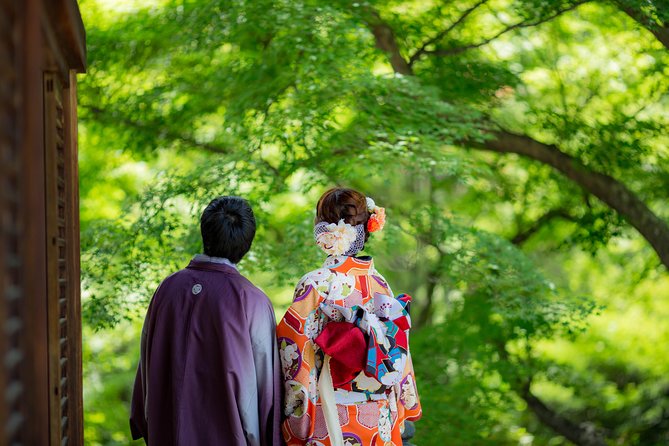
Seiryoji gives the tour another chance to explain Buddhist art and religious travel. The focus is a special Buddhist statue and the eventful journey connected with it. Your guide’s commentary is important here, since the meaning of the statue and its journey may not be obvious from simply looking at the building.
The temple also offers a sense of scale and grandeur. After the intimate moss garden and the amusing stone figures at Otagi Nenbutsu-ji, Seiryoji changes the pace again. You get a larger temple setting and a story tied to an object of devotion.
Again, allow about 20 minutes. That makes the visit a highlights stop, not a full study of the temple. If Seiryoji is especially important to you, ask your guide how much time can be given to it within the private route. The available information confirms that this is a private tour, but it does not promise unlimited adjustments.
Hokyoin, samurai connections, and another leafy pause
Hokyoin is the final green option listed. It offers a restful setting and a connection to two samurai who share a distinctive story. This combines the visual appeal of a wooded temple with a historical thread that gives the stop more substance.
I like the balance here. Gio-ji focuses on moss, Jojakkoji on a hilltop view, and Hokyoin on a calmer garden setting with a human story. If you select the green route, these stops give you three different ways to experience Arashiyama’s foliage.
As with the other choices, the planned visit is roughly 20 minutes and admission is separate. The itinerary includes more potential stops than can be treated as long visits during a three-hour ride, so ask at the beginning which green or unique stops are included in your group’s actual route.
What the guides add to the ride
The driver is also your English-speaking guide, and that makes a major difference. You are not simply being transported from one gate to another. Live commentary helps connect the bamboo forest, Shinto shrine, Buddhist temples, gardens, and local streets.
Several guide names appear in the experience history. Tai Tai is praised for fitness, local knowledge, historical explanations, care, and even a tea stop at a 400-year-old teahouse during one ride. Yoppy is known for a friendly, outgoing style and clear explanations. Akihisa is noted for stopping at attractive places and taking strong photographs. Takeda has also guided returning families and helped a shy six-year-old relax into the ride.
Those details tell you what kind of service to expect: active guiding, conversation, photographs, and attention to comfort. Your assigned guide may be someone else, and the booking information does not guarantee a particular person. The selected start time is also not automatically final. You receive confirmation by email within 24 hours of booking.
Price, group size, and practical value
At $236.44 per person, this is expensive compared with simply walking through Arashiyama or visiting the area independently. Temple admissions, food, drinks, and transport to and from the meeting points are extra. You are paying for private use of the rickshaw, the guide’s time, commentary, and the ability to cover more of the area in three hours.
The value improves if you are short on time, want personal explanations, or prefer not to plan the route yourself. It also makes sense for a small group that wants a shared experience rather than separate tickets for a large tour. Group discounts are available, though the exact reduction is not provided.
The rickshaw seats up to two adults side by side and measures about 74 centimeters wide. Children aged six and older need their own seat and pay the adult price. Children five and under can ride free on an adult’s lap, with one young child per adult and a maximum of two adults and two children per rickshaw.
The ride is not permitted for people in the first 16 weeks of pregnancy. Most people can participate, but remember that temple visits include walking and, at Jojakkoji, a climb.
Who should choose this Arashiyama tour
I would recommend it to a first-time Kyoto visitor who wants a strong introduction to Arashiyama without spending hours studying maps. It also suits families, especially if Otagi Nenbutsu-ji’s humorous figures appeal to children.
It works well for couples and small groups who value photographs and personal attention. The private format gives you room to ask questions and set a comfortable pace within the route.
You may want to skip it if you are watching your budget, want a long temple meditation, or prefer to explore every site at your own speed. The three-hour format moves along, and admission costs add up. Independent visitors can spend less, but they must handle route planning, navigation, and explanations themselves.
Booking and cancellation details
Confirmation is provided at booking, but your chosen start time is confirmed by email within 24 hours. Since the tour is seasonal, check that your preferred date falls within the late spring to early summer operating period.
Free cancellation is available if you cancel at least 24 hours before the local start time. Changes or cancellations made inside that window are not accepted for a refund.
FAQ
How long does the Arashiyama rickshaw tour last?
The tour lasts approximately three hours.
Is this a private tour?
Yes. Only your group participates in the activity.
Are temple admission fees included?
No. Admission fees to temples and gardens are paid separately. Food and drinks are also not included unless specifically stated.
Where does the tour start?
The meeting point is 1-1 Sagatenryūji Susukinobabachō, Ukyo Ward, Kyoto, 616-8385, Japan.
Can young children ride for free?
Children aged five and under can ride free on an adult’s lap, with one child per adult. Children aged six and older need their own seat and pay the adult price. A five-year-old using one of the two seats must be booked as an adult.
Can someone in early pregnancy ride the rickshaw?
People in the first 16 weeks of pregnancy are not permitted to ride the rickshaw.
Should you book it?
Book this tour if you want Arashiyama’s bamboo, moss, temples, and smaller lanes tied together by one personable guide. The best reasons are the private format, the useful local commentary, the chance to choose between green and unusual temple stops, and the ease of covering a spread-out area.
Skip it if $236.44 per person feels too high before adding admission fees, or if you want to spend an entire morning inside one or two temples. For everyone else, especially families and first-time visitors, the rickshaw offers a comfortable way to see more of Arashiyama while keeping the focus on the season’s fresh green beauty.
More Three-Hour Experiences in Japan
- Visiting 9 Places in 3 hours Share Tour by Tuk-Tuk
★ 4.9 · 293 reviews - Tuk Tuk Athens Complete City Center Tour – 100% Electric (3 hour)
★ 5.0 · 252 reviews - Athens: Private 3-Hour City Tour on Eco-Friendly Tuk Tuk
★ 4.8 · 248 reviews - 3-hour Old Delhi Heritage Walking tour with Rickshaw Ride
★ 5.0 · 240 reviews
Just added around Japan
- Sushi Making Tokyo with Traditional Rickshaw Ride Tour in Asakusa★ 5.0 · 12 reviews
- Otaru Rickshaw Tour★ 5.0 · 76 reviews
- Hot Spring Capital of Yufuin Rickshaw Tour★ 5.0 · 32 reviews
- Exiting Rickshaw ride and Kimono experience★ 5.0 · 4 reviews
- Kyoto Sagano Insider: Rickshaw and Walking Tour★ 5.0 · 15 reviews
- Kurashiki Rickshaw Tour★ 5.0 · 39 reviews
- Kamakura Rickshaw Tour★ 5.0 · 53 reviews
- Kamakura Heritage Bike or Walk Tour with ex-Rickshaw guide★ 5.0 · 11 reviews
Rickshaw Tours, compared.


Old Delhi Food, Heritage&Cultural Walk with Rickshaw ride to Masterji Kee Haveli
Read our review →
Arashiyama Customized Rickshaw Tour & Bamboo Forest
Read our review →
Split by Private Electric Rickshaw – Palace & Hidden Gems
Read our review →
Where else this ride shows up