
REVIEW · RICKSHAW TOURS
Kyoto: Private Rickshaw Tour of Gion and Higashiyama Area
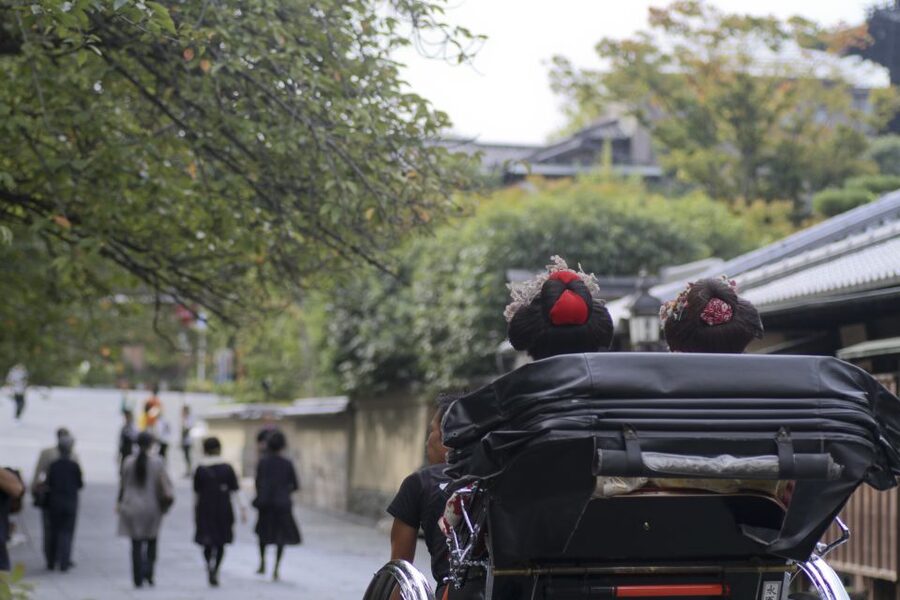
Kyoto’s old streets make far more sense from a rickshaw seat. Your guide pulls you along the narrow lanes of Higashiyama and Gion, pointing out wooden townhouses, temple grounds, willow-lined waterways, and the details you might miss on foot. I especially like the private format and the way guides such as Fumi, Moto, Shiro, and Daichi adjust the route to suit your interests.
I also like the built-in photo stops. You can enjoy the scenery without trying to frame a picture while walking through a crowd. The main drawback is space: each rickshaw is only 74 centimeters wide, so two adults may feel snug, and the 45-minute option can feel short if you want both Higashiyama and northern Gion.
Key points at a glance
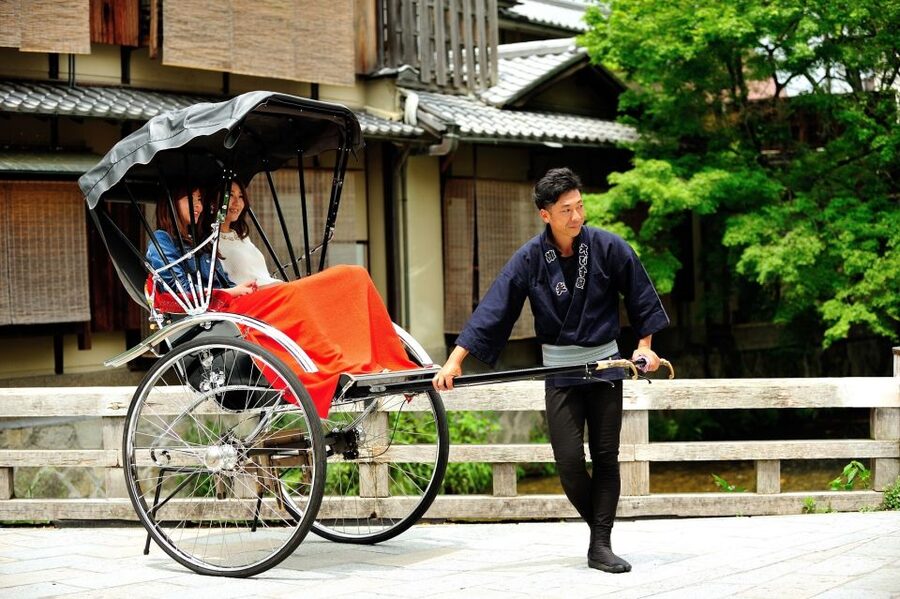
- Start beside Kodaiji Temple: Meet at the corner of Nene Street and Ichinenzaka Street, in the heart of Higashiyama.
- Private ride, personal route: You can ask your guide to shape the tour around temples, old streets, photography, or Gion.
- Strong English-language guiding: Guides including Moto, Shiro, Fumi, Yoshito, and Daichi are praised for clear explanations and friendly conversation.
- Photo help is part of the experience: Your guide stops at scenic locations and can take creative pictures with your phone.
- Four time choices: Select a short 45-minute introduction or a longer outing that reaches farther into Higashiyama and Gion.
- Plan seating carefully: One rickshaw has limited width, and young children sit on an adult’s lap under the stated child rules.
Why a rickshaw is a smart way to see Higashiyama
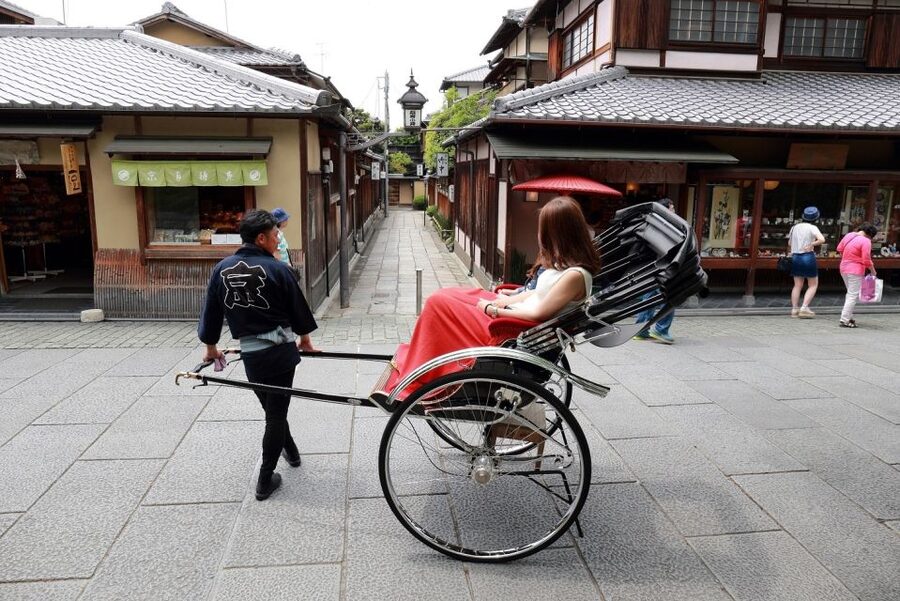
Higashiyama is one of Kyoto’s best areas for first impressions. Its lanes are lined with wooden machiya townhouses, small shops, temple approaches, and carefully preserved buildings. It is also an area where the details are easy to miss. A guide can explain why a street looks the way it does, point out a building’s traditional features, and give you a sense of how old Kyoto fits into modern life.
A rickshaw changes the pace. You are close to the street, not sealed inside a bus or moving too quickly in a taxi. At the same time, you avoid some of the effort of walking up and down Kyoto’s sloping lanes. The guide does the pulling while you look around, ask questions, and take in the streets from a comfortable seated position.
This is not a ride with a recorded commentary. The guide is beside you, talking throughout the route and answering questions as they come up. That matters in Gion and Higashiyama, where customs around temples, geisha districts, photography, and traditional homes are best explained in context.
More Private Tuk Tuk Tours in Japan
- Miyajima: Private Rickshaw Tour to Itsukushima Shrine
★ 4.9 · 45 reviews - Private Miyajima Rickshaw Tour Including Itsukushima Shrine
★ 5.0 · 32 reviews - Kamakura: Private History and Heritage Tour by Rickshaw
★ 4.9 · 7 reviews
Meeting at Kodaiji and entering the old streets
You meet on the corner of Nene Street and Ichinenzaka Street, by Kodaiji Temple. Check the location carefully before setting out, since this booking is for the Kyoto branch and not the separate Arashiyama operation.
The starting point puts you directly into one of Kyoto’s most atmospheric areas. The streets around Kodaiji and Ichinenzaka are known for their preserved appearance, with wooden buildings, shops, and stone or cobbled lanes. Your guide begins by getting you settled in the rickshaw and asking what you want from the ride.
That first conversation is useful. If you have only a short time, you may want the classic Higashiyama streets and a few strong photographs. If you choose a longer duration, you can ask for more temples, additional lanes, or a route that continues toward northern Gion.
The guides bring different personalities to the job. Fumi is praised for humor, safe driving, and creative photographs. Moto is often described as an excellent English speaker with a real interest in Kyoto’s culture. Shiro is noted for detailed explanations, while Daichi is praised for shaping the ride around less obvious places. The exact guide is assigned by the operator, so you should not book expecting one specific person, but these names give you a good idea of the service style.
Wooden townhouses, shops, and Kyoto’s visual character
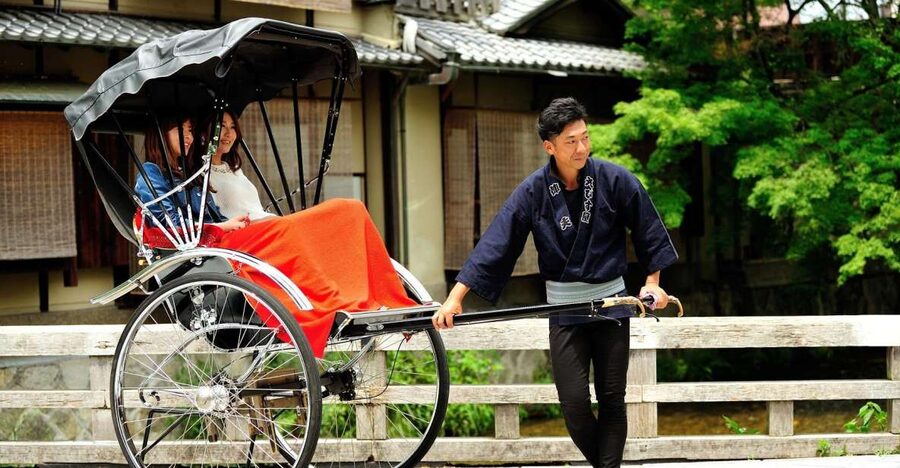
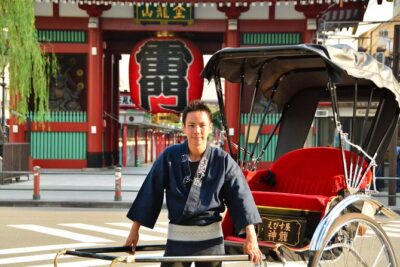
The early part of the tour focuses on Higashiyama’s old streets. This is where the rickshaw works best as a sightseeing tool. You sit high enough to see above some of the foot traffic, but you remain close to the shopfronts and timber facades.
The traditional wooden townhouses are more than pretty backgrounds. Their narrow fronts and deep interiors reflect the way Kyoto’s historic homes were built on valuable urban plots. A guide can point out design details and explain how the neighborhood’s appearance has been preserved.
You will pass shops and streets that are popular for photographs. Your guide stops rather than rushing through. That gives you time to take pictures, pose beside the rickshaw, or use your own phone for a short video. One guide even created a small journey video on a passenger’s phone, which shows how the photo service can go beyond a quick snapshot.
The route is not designed as a shopping tour, and food and drinks are not included. Still, the ride gives you a useful introduction to the area if you plan to return later for tea, souvenirs, or a meal. I would use the rickshaw to get oriented, then explore on foot afterward.
Temples and the northern edge of Gion
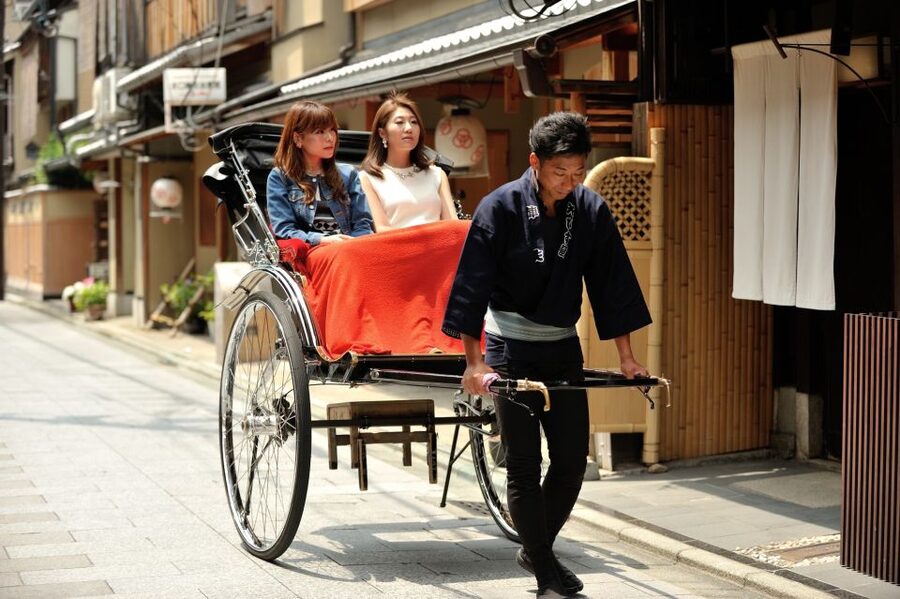
The exact temple stops depend on the duration and the route you choose. The tour description promises views of some of Kyoto’s famous temples and additional ancient temple areas on the longer options, but it does not include entrance fees or a formal temple visit inside each site.
That distinction matters. You are primarily seeing the neighborhoods and their surroundings from the rickshaw. If you want to enter Kodaiji or another temple, budget time and admission separately. The rickshaw tour can show you where to go, but it is not a replacement for a full temple visit.
Longer rides continue through more of Higashiyama and toward northern Gion. This is the better choice if you want a broader sense of Kyoto’s old center rather than a quick introduction. You may pass picturesque waterways lined with weeping willows and quieter streets away from the most photographed lanes.
I like this part of the experience because it connects the postcard version of Kyoto with the wider district. The famous streets are worth seeing, but the route becomes more rewarding when your guide explains how the temples, homes, waterways, and entertainment quarters fit together.
More Rickshaw Tours in Japan
- Tokyo Asakusa Rickshaw Tour
★ 5.0 · 1,375 reviews - Kyoto: Arashiyama Customized Rickshaw Tour & Bamboo Forest
★ 5.0 · 432 reviews - Kyoto Arashiyama Rickshaw Tour with Bamboo Forest
★ 5.0 · 354 reviews - Kyoto Rickshaw Tour
★ 5.0 · 210 reviews
Gion, geisha culture, and respectful sightseeing
Gion is Kyoto’s best-known traditional entertainment district. The rickshaw passes through its streets while your guide explains local customs, history, and the difference between the district’s public appearance and its working cultural spaces.
You may see maiko or geisha, as well as people wearing rental kimonos. That can be exciting, but you should treat anyone working in the district as a person, not a photo prop. Follow your guide’s advice, keep out of restricted areas, and avoid blocking narrow lanes for pictures.
The value here is the explanation. Without context, Gion can look like a collection of attractive wooden buildings. With a guide, you can learn more about the district’s role in Kyoto and the customs that shape what you see. Yoshito is praised for patiently answering many questions and explaining the history of Gion in several languages. That kind of conversation is especially useful if this is your first time in Japan.
Do not expect guaranteed geisha sightings. The route passes through the district, but people’s appearances and working schedules cannot be promised. The dependable part is the setting, the buildings, and the guide’s cultural explanation.
The photo stops are more useful than they sound
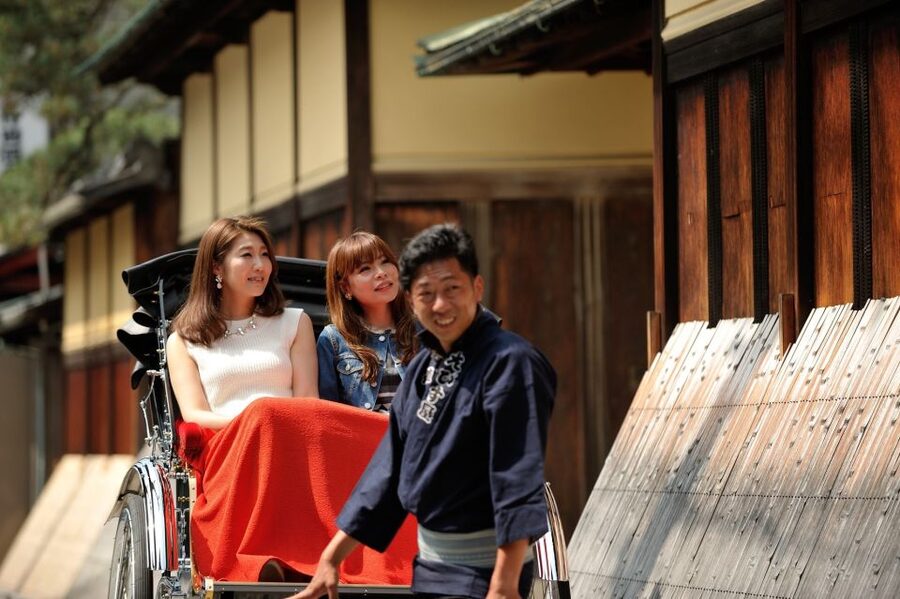
Many sightseeing rides claim to offer photo opportunities, but here the stops are a central part of the service. Guides know where the rickshaw looks good against the old streets and where you can stand without creating a traffic problem.
This is helpful for couples, families, and solo visitors. Your guide can take pictures of the whole group, rather than leaving one person out. Several guides are also praised for finding creative angles and taking more than a single rushed photograph.
The stop-and-shoot rhythm also gives you a short break from the moving ride. You can ask questions, adjust your clothing, and take in the street at ground level. If you are visiting in rainy weather, a guide such as Shuhei can help keep the outing enjoyable, but you should still dress for the conditions.
Selfie sticks are not allowed. Bring a phone or camera that you can manage without one, and listen when the guide directs you to a safe place for photographs.
Choosing between 45 minutes and a longer ride
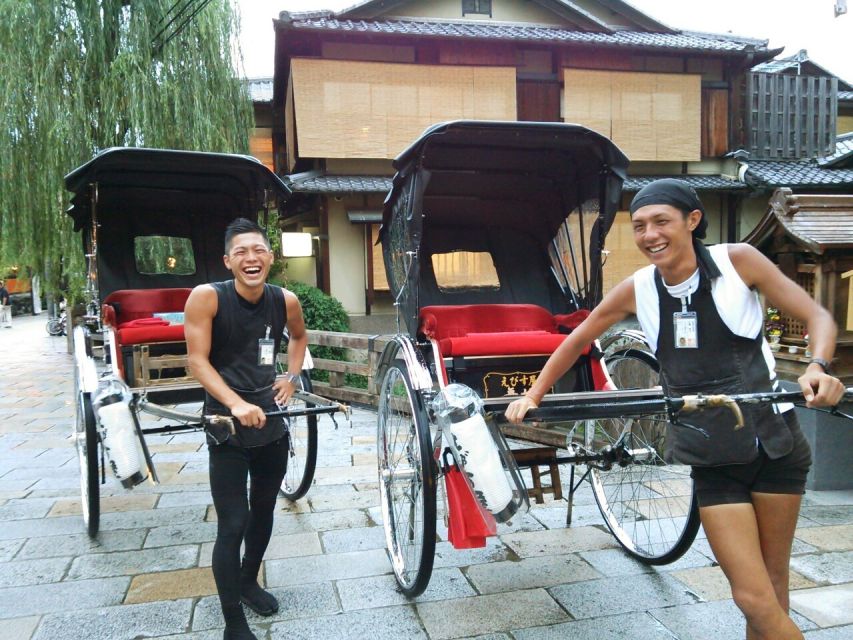
The 45-minute tour is a good fit if you want a taste of the experience, have a packed Kyoto schedule, or are unsure how much time you want to spend in a rickshaw. It can cover attractive streets, basic cultural explanations, and several photographs.
Several people who chose the short tour wished they had booked longer. That is easy to understand: the starting area alone has plenty to see, and Gion lies beyond it. If this is your main introduction to Higashiyama, I would choose more than 45 minutes if your schedule and budget allow.
The longer choices are better for:
- Seeing more of Higashiyama before continuing toward Gion
- Spending extra time on photographs and questions
- Asking for temple areas and quieter streets
- Traveling at a less hurried pace
- Making the ride a central activity rather than a brief add-on
The supplied details describe four duration choices, with options listed from 45 to 130 minutes. They also describe a longest tour of 3 hours and 10 minutes, so check the exact duration shown when you book. The important point is simple: the operator offers both a short introduction and longer, wider routes.
Is $51 per person good value?
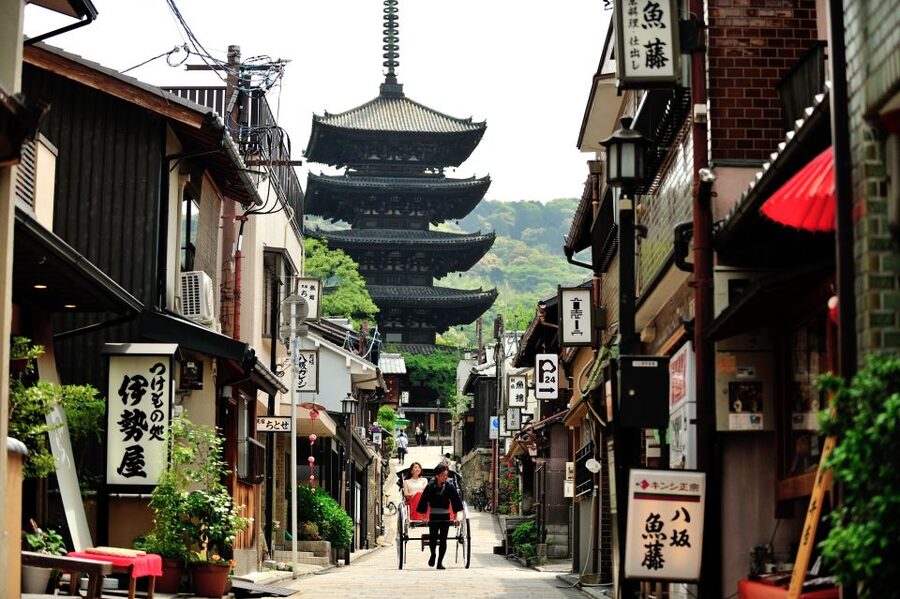
At $51 per person, this is not the cheapest way to move through Kyoto. You can walk the same districts for free, aside from any temple admissions, and public transport costs much less. The question is what you are paying for.
You are paying for a private group, a dedicated guide, route planning, cultural explanations, photo stops, and the novelty of being pulled through Kyoto in a traditional rickshaw. For a couple or a small family, that can be good value, especially if you want an easy introduction at the beginning of your stay.
The value is strongest when you use the private format well. Tell your guide what interests you. Ask about customs, buildings, temples, or Gion. Request photographs. If you simply sit in the rickshaw and allow the ride to pass without questions, the price feels higher.
Families should calculate the cost by seat rather than only by head count. Children aged six and over pay the adult price. Up to two children aged five and under can ride with two adults, with one child on each adult’s lap. If a child aged five or under uses one of the two rickshaw seats, that child must be booked as a full-fare adult.
Seating, comfort, and mobility details
Each rickshaw is 74 centimeters wide. That is roughly 21.1 inches, so two average-size adults may find the seat close. One person noted that an individual rickshaw per passenger may be more comfortable for larger adults.
A family of four used two rickshaws, and families with older children may prefer that arrangement. Two adults and a small child can follow the stated lap rules, but confirm the booking setup carefully before paying.
The ride is not recommended for people with back problems, and the activity is not suitable for pregnant women according to the supplied restrictions. It is specifically not recommended during the first 16 weeks of pregnancy. At the same time, the operator states that the tour is wheelchair and stroller-friendly, so contact the provider if you need to confirm how your equipment will be handled.
The ride can include narrow and sloping streets. Your guide controls the rickshaw and is responsible for navigating them, but the activity still involves sitting in a compact seat for the selected duration. If you have chronic pain or limited mobility, think about the seating position and ask before booking. One passenger with mobility problems found the ride especially useful for seeing more of the area, but individual comfort can vary.
English, Japanese, and the human side of the tour
The tour is offered in English and Japanese. English ability varies by guide, but the supplied experiences repeatedly point to clear explanations, friendly conversation, and a good sense of humor.
That personal contact is the main reason to book. The rickshaw itself is memorable, but the guide turns a ride into a lesson in Kyoto life. Fumi is described as gentle and funny. Takuto is praised for enthusiasm and historical explanations. Kai is remembered for being patient, taking excellent photos, and making two passengers laugh as he pulled them through the streets.
The guides also handle practical moments well. One guide kept an 80-year-old passenger warm and safe. Another made a rainy morning work. These details suggest a service built around attention to the people in the seat, not just a fixed speech and route.
Who should book this Kyoto rickshaw tour?
I would recommend it to first-time visitors who want a quick orientation to Higashiyama and Gion. It also suits couples looking for memorable photographs, families who want something different from another temple visit, and older visitors who may find a long walk difficult.
It is a particularly good choice if you enjoy asking questions. The private setup gives you room to shape the conversation, and the route can be adjusted around your interests.
I would think twice if you dislike compact seating, have a back condition, are pregnant, or prefer to explore every temple interior at your own pace. A walking tour may offer more freedom for stopping inside sites, while the rickshaw gives you easier movement through a larger area and a guide at your side.
Cancellation is free up to 24 hours before the activity, and you can reserve now and pay later. Those policies make it easier to fit the ride into a changeable Kyoto schedule.
FAQ
Where does the Kyoto rickshaw tour meet?
Meet your guide at the corner of Nene Street and Ichinenzaka Street, by Kodaiji Temple in Higashiyama.
How long does the rickshaw tour last?
The available durations begin at 45 minutes. The activity details list options up to 130 minutes, while the longer description also refers to a 3-hour-and-10-minute option. Check the exact duration shown for your selected booking.
Is the rickshaw tour private?
Yes. The activity is operated as a private group tour.
Which areas does the tour visit?
The route travels through Higashiyama and the Gion area. Longer tours continue through more of Higashiyama and northern Gion.
Is the tour available in English?
Yes. Live guides are available in English and Japanese.
Are temple entrance fees included?
No. Entry fees are not included in the tour price.
Can children ride in the rickshaw?
Children aged six and over pay the adult price. Up to two children aged five and under can ride with two adults, with one child sitting on each adult’s lap. A child aged five or under using one of the two rickshaw seats must be booked as a full-fare adult.
Is the rickshaw comfortable for two adults?
Each rickshaw is 74 centimeters wide, so two adults may find the seat snug. Booking separate rickshaws can be more comfortable for some passengers.
Can I cancel the tour?
You can cancel up to 24 hours in advance for a full refund. The activity also offers reserve-now, pay-later booking.
Should you book it?
Book this tour if you want personal guidance, good photographs, and a gentle introduction to Kyoto’s old districts. The 45-minute option works as a sampler, but I would choose a longer ride if Gion and Higashiyama are major parts of your Kyoto plans.
For the best value, use the private format actively. Tell your guide what you want to see, ask questions, and allow time for photographs. If you have limited mobility, are traveling with children, or are sensitive to tight seating, check the rickshaw arrangement before booking. For most visitors, the experience offers a memorable way to get oriented without treating Kyoto as scenery that simply passes by.
Just added around Japan
- Sushi Making Tokyo with Traditional Rickshaw Ride Tour in Asakusa★ 5.0 · 12 reviews
- Otaru Rickshaw Tour★ 5.0 · 76 reviews
- Hot Spring Capital of Yufuin Rickshaw Tour★ 5.0 · 32 reviews
- Exiting Rickshaw ride and Kimono experience★ 5.0 · 4 reviews
- Kyoto Sagano Insider: Rickshaw and Walking Tour★ 5.0 · 15 reviews
- Private 3-hour Kyoto Arashiyama Rickshaw Tour★ 5.0 · 5 reviews
- Kurashiki Rickshaw Tour★ 5.0 · 39 reviews
- Kamakura Rickshaw Tour★ 5.0 · 53 reviews
Rickshaw Tours, compared.

Old Delhi Food, Heritage&Cultural Walk with Rickshaw ride to Masterji Kee Haveli
Read our review →
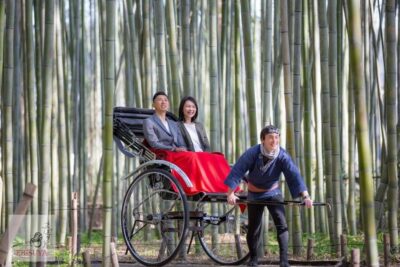
Arashiyama Customized Rickshaw Tour & Bamboo Forest
Read our review →
Split by Private Electric Rickshaw – Palace & Hidden Gems
Read our review →
Where else this ride shows up