
REVIEW · RICKSHAW TOURS
Tokyo: Asakusa Highlights Walking (OP : Rickshaw Experience)
Asakusa is one of Tokyo’s best places to see old and new Japan in the same short walk. This tour links Kaminarimon Gate, Nakamise Shopping Street, Senso-ji Temple, and Asakusa Shrine with local stories, then adds a 20-minute rickshaw ride if you choose that option.
I like the compact route and the small group size of eight. I also like the chance to see Asakusa from a rickshaw, with photo stops near Tokyo Skytree and Sumida Park. The main caution is important: the rickshaw is optional, and one booking ended in disappointment because the rider expected a combined rickshaw-and-walking experience.
The tour gives you a useful first look at Asakusa, but your guide’s voice matters in this busy district. Bring comfortable shoes, listen carefully in crowded areas, and make sure you select the rickshaw option if that is the main reason you are booking.
Key points at a glance
- The rickshaw ride lasts 20 minutes: It is an optional add-on, not automatically part of every booking.
- The route covers Asakusa’s core sights: You visit Kaminarimon, Nakamise Shopping Street, Asakusa Shrine, and the Senso-ji area.
- The meeting point is easy to identify: Start in front of the Asakusa Culture Tourist Information Center.
- The group is limited to eight people: This is more personal than a large city tour, though the guide may be harder to hear near busy streets.
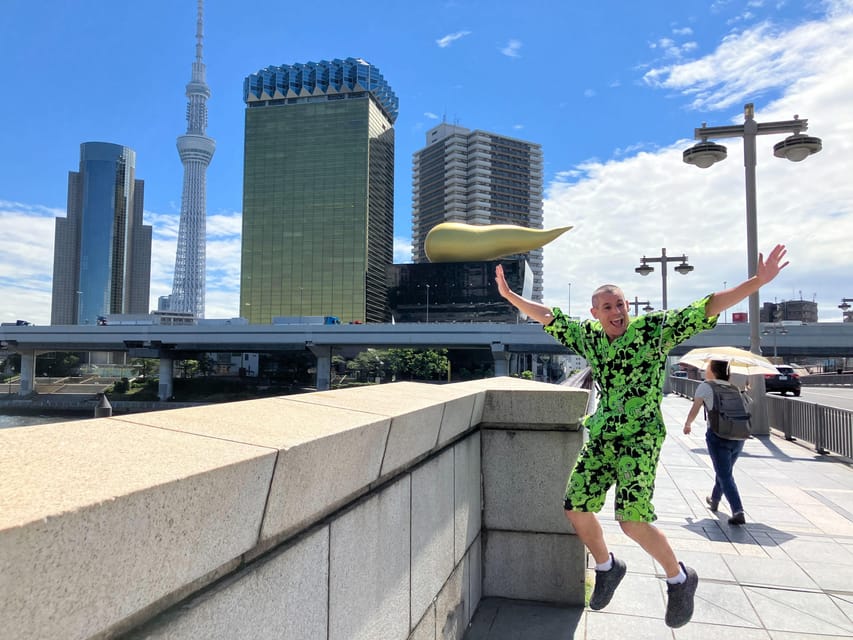
- Tokyo Skytree and Sumida Park may appear from the rickshaw route: These add a wider city view beyond the temple district.
- Comfortable shoes are essential: You will walk, use stairs, and continue in rain or shine.
Why Asakusa works so well for a first Tokyo walk
Asakusa gives you a clear introduction to Tokyo without asking you to cross half the city. The route centers on old religious sites, shopping lanes, traditional streets, and views toward Tokyo Skytree. You get a compact lesson in how historic Tokyo and modern Tokyo sit side by side.
The tour begins at the Asakusa Culture Tourist Information Center, directly in front of the building. That makes a sensible meeting point, especially if you are still learning Tokyo’s train system and street layout. It also gives you a useful place to get oriented before setting out.
I like tours that begin with a neighborhood rather than a single monument. Here, you are not simply taken to Senso-ji, shown the gate, and sent away. The guide connects the streets, shops, shrines, temple grounds, and local customs into one route.
The three-hour length is long enough for a proper introduction but short enough to fit around other Tokyo plans. You will not see every corner of Asakusa. You will, however, cover the main sights and learn how they fit together.
More Rickshaw Tours in Japan
- Tokyo Asakusa Rickshaw Tour
★ 5.0 · 1,375 reviews - Kyoto: Arashiyama Customized Rickshaw Tour & Bamboo Forest
★ 5.0 · 432 reviews - Kyoto Arashiyama Rickshaw Tour with Bamboo Forest
★ 5.0 · 354 reviews
The optional rickshaw ride and the key booking detail
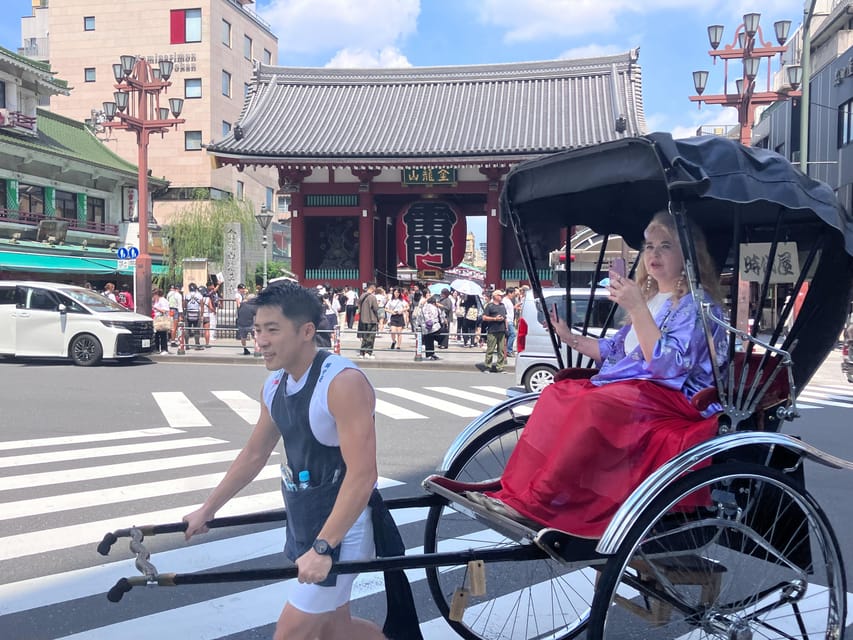
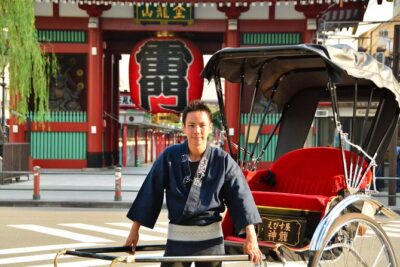
A rickshaw is one of Asakusa’s signature sights. You will see these two-wheeled vehicles moving through the district, pulled by a driver who knows the narrow streets and photo stops. The ride offered here lasts 20 minutes.
The wording matters. The rickshaw is an option, not a guaranteed part of the standard walking experience. If you want to ride, confirm that you have selected the correct option during booking. Do not assume that every three-hour tour includes the ride.
That distinction is the most important practical point in this experience. A person booked expecting both a rickshaw ride and a walking tour, then cancelled after learning that the arrangement did not match that expectation. You can avoid the same problem by treating the rickshaw as an add-on and checking your reservation carefully.
During the ride, you may see Kaminarimon, Tokyo Skytree, and Sumida Park. The vehicle gives you a different view of Asakusa than you get on foot. It also creates natural photo opportunities, including pictures that show you in the district rather than only pictures of buildings.
The ride is brief, so think of it as a special introduction to Asakusa rather than a full sightseeing circuit. If the rickshaw is your main goal, the 20-minute length and optional status should shape your decision.
Starting at the Asakusa Culture Tourist Information Center
The first stop is the Asakusa Culture Tourist Information Center, where you meet your English-speaking guide. The building sits near Kaminarimon and serves as a useful landmark in a crowded part of Tokyo.
The tour includes about 15 minutes here for a visit, guided explanation, and photos. That time may sound modest, but it helps you understand the area before you enter the busiest streets. The guide can introduce the local history, cultural customs, and the sights you will see next.
This is also the point where clear meeting instructions matter most. The Asakusa streets fill quickly, especially on a Saturday during cherry blossom season. One past booking had trouble locating the guide because there was no sign held up in the crowd. I would arrive early, stand close to the information center, and look carefully for the guide rather than waiting in the middle of the foot traffic.
The information provided does not give the guide’s name. If you need a specific meeting signal, ask the operator before the tour begins.
Kaminarimon Gate and the first big photo stop
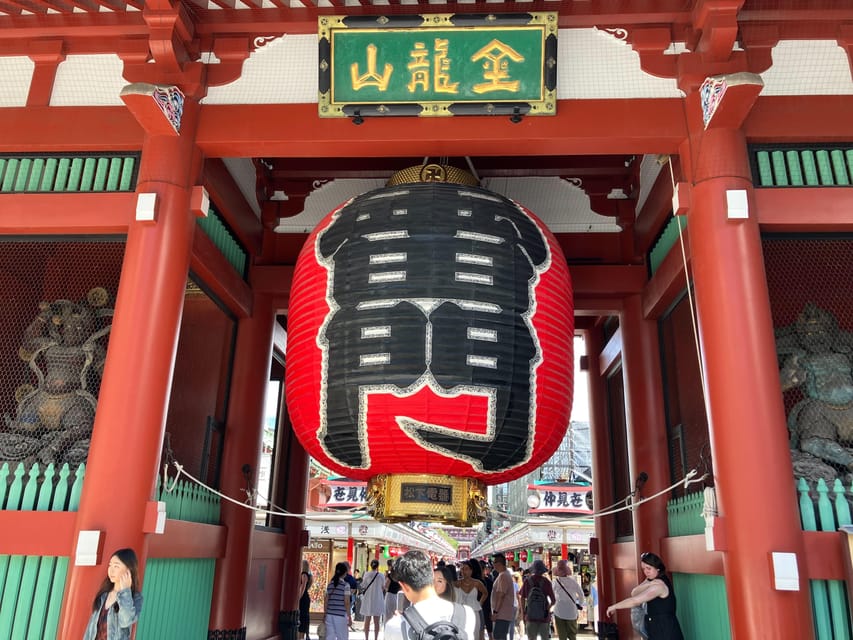
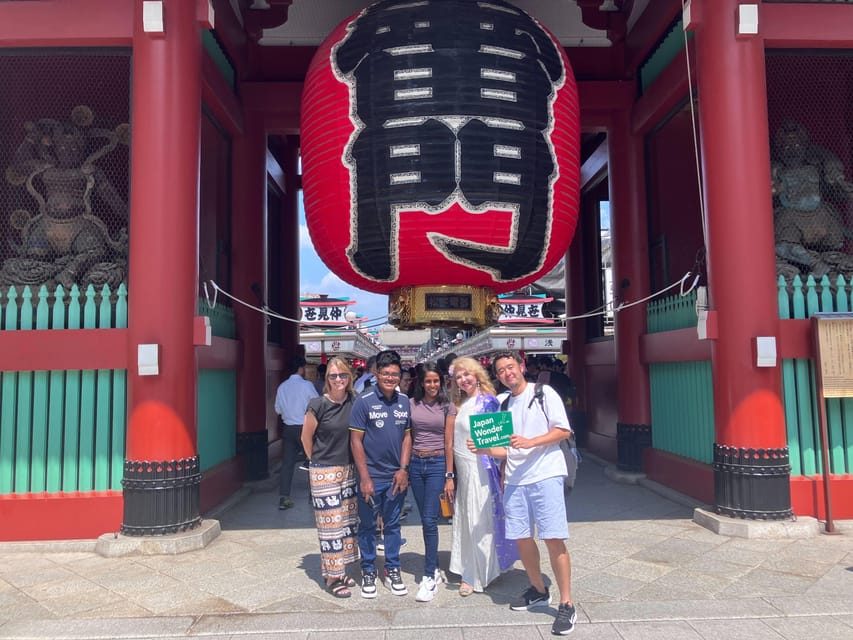
Kaminarimon, or Thunder Gate, is one of Asakusa’s most recognizable sights. Its large lantern creates the classic entrance to the temple district, and it provides the first strong photo stop of the walk.
The tour visits Kaminarimon more than once in the route. You see it early, then return for a shorter guided visit later. That arrangement makes sense because the gate works both as an introduction and as a reference point for understanding the surrounding streets.
Your guide will explain the gate’s place in Asakusa and Japanese culture. Listen for the small details about the symbols, objects, and customs around the entrance. The value here is not just taking a picture. It is learning what you are looking at before moving farther into the district.
The area can be loud and crowded. One past participant had difficulty hearing the guide, so you may want to stay near the front of the group. The group limit of eight helps, but it cannot remove street noise or foot traffic.
Same place, a completely different ride:
- Kyoto Rickshaw Tour
★ 5.0 · 210 reviews - Tokyo: Asakusa Sightseeing Tour by Rickshaw
★ 4.9 · 195 reviews - Kyoto: Private Rickshaw Tour of Gion and Higashiyama Area
★ 5.0 · 144 reviews - Otaru Rickshaw Tour
★ 5.0 · 76 reviews
Nakamise Shopping Street and the approach to Senso-ji
From Kaminarimon, the route continues along Nakamise Shopping Street. This is the traditional shopping approach to Senso-ji, lined with shops and food stalls. The tour allows about 10 minutes for a visit, photos, walking, and explanation.
Nakamise is useful because it shows how a religious site and a commercial street work together. You can look at Japanese items, local snacks, and souvenirs while the guide explains the culture behind the area. The experience is more useful if you pay attention to the street itself rather than treating it only as a shopping stop.
Ten minutes is enough for a first look, but not enough for a relaxed shopping session. If you see something you want to buy, remember that the group will keep moving. You may want to return later on your own, when you can browse at your own speed.
The route also includes Nishi Sando Shopping Street and Hoppy Street as part of the wider Asakusa overview. These streets add a different feel from the temple approach. You get a better sense of Asakusa as a neighborhood, not just a famous shrine and a souvenir lane.
Senso-ji and Asakusa Shrine
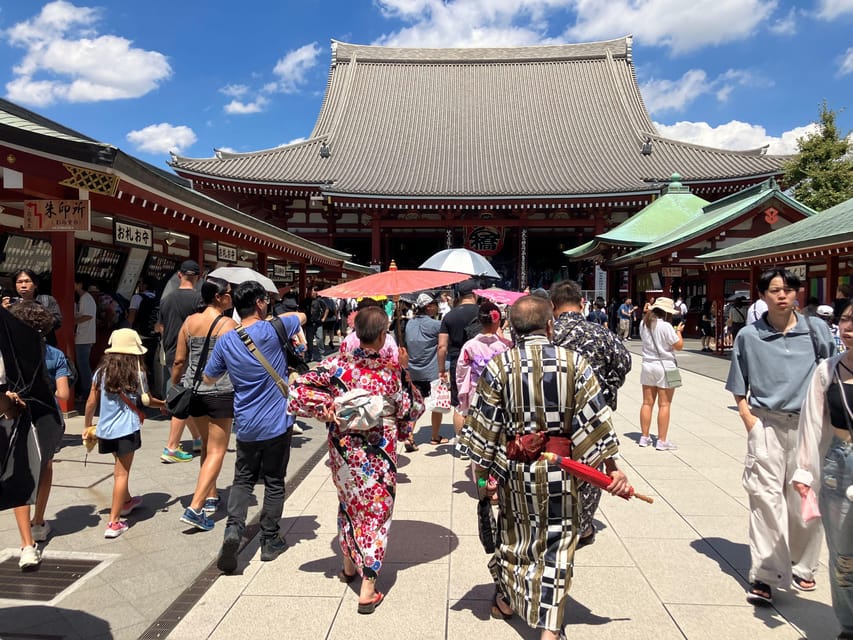
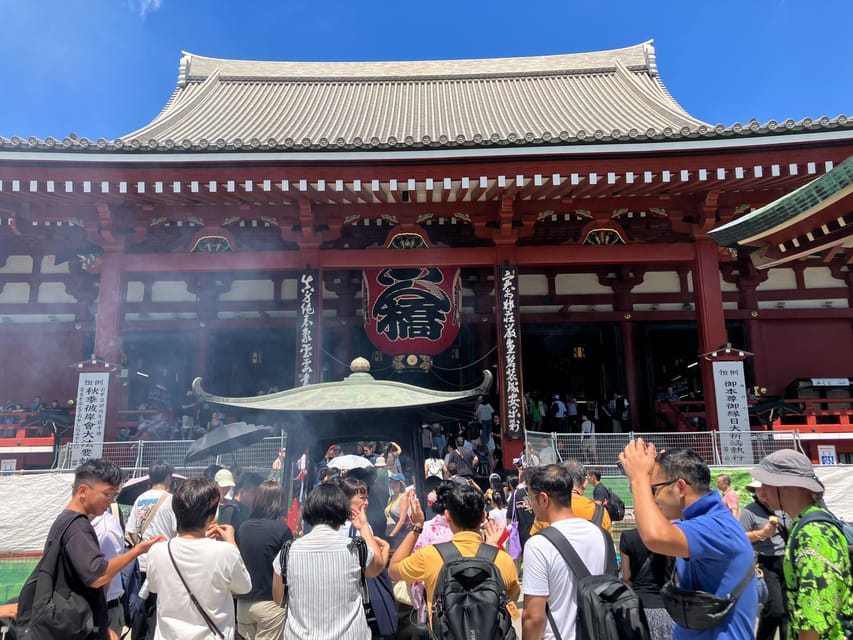
Senso-ji is the centerpiece of this walk. The temple retains the atmosphere of Japan’s samurai period, and the guide uses the visit to explain the history of Asakusa and Japanese culture.
The route description also includes Asakusa Shrine, with about 10 minutes for a visit and guided explanation. Seeing both a temple and a shrine in one walk helps you notice the difference between Japan’s Buddhist and Shinto traditions. Your guide can add context about the buildings, rituals, and objects that you might otherwise pass without understanding.
I like this part of the tour because it gives the sights a clear purpose. You are not only collecting famous Tokyo photographs. You are learning why the area matters and how religious life shaped the district.
The time at each site remains fairly short. If you want a quiet, detailed visit inside Senso-ji, you will need to return later. This tour is designed as an overview, with several stops rather than a long stay at one building.
Tokyo Skytree, Sumida Park, and the broader view
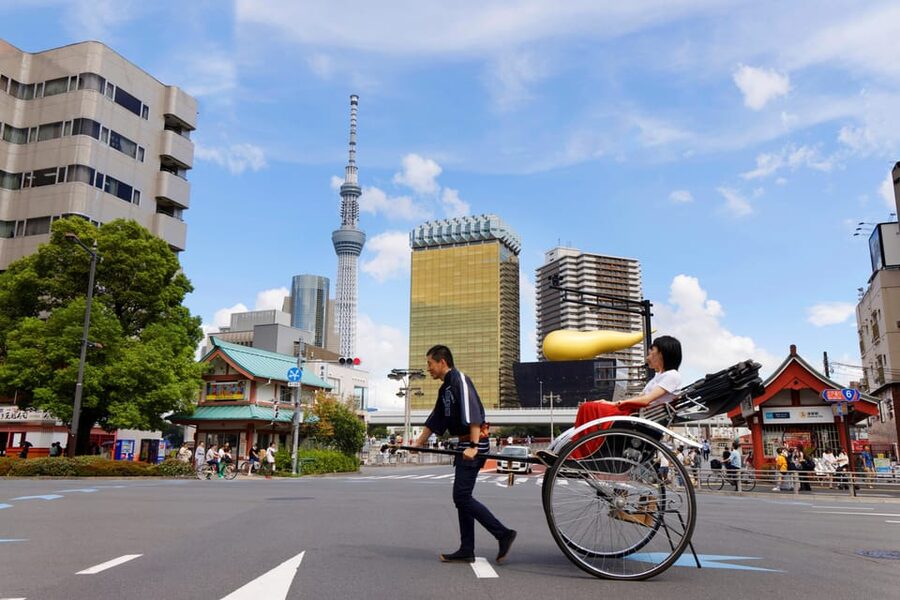
The rickshaw portion can take you toward views of Tokyo Skytree and beautiful Sumida Park. These sights widen the experience beyond the temple streets.
Senso-ji and Kaminarimon show you historic Asakusa. Tokyo Skytree reminds you that this is also a modern capital with a huge city rising around the old district. Sumida Park adds open space and a change from the tight shopping lanes.
The information provided does not promise a long stop at either the Skytree or the park. Think of them as sights you may view along the rickshaw route, with chances for photographs. The driver may take you to several spots, but the ride remains limited to 20 minutes.
This is where the rickshaw earns its place. On foot, you spend much of your time moving through the central streets. From the rickshaw, you can sit back, watch the buildings pass, and let the driver handle the route while you take pictures.
The guide, group size, and sound in the streets
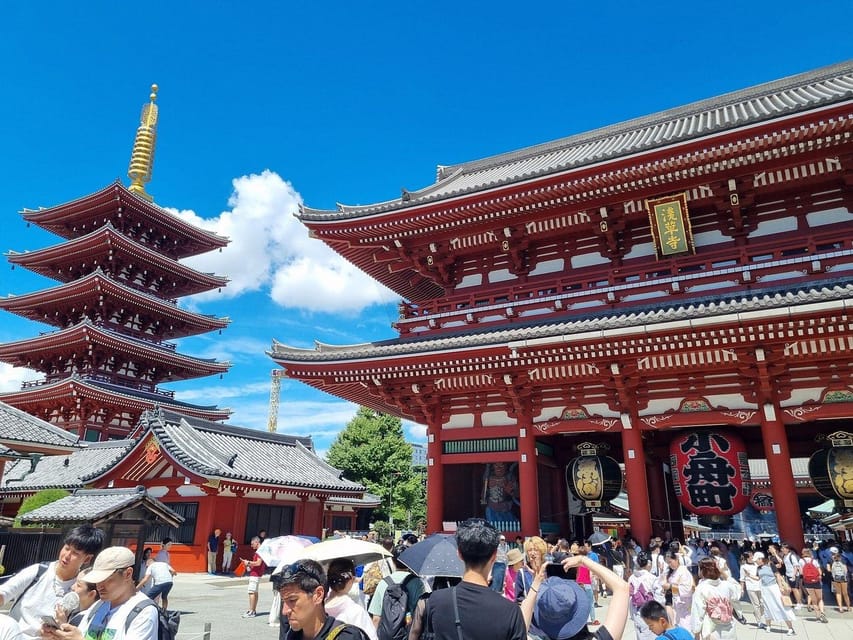
The tour uses a professional local guide and operates in English. The guide explains Asakusa’s history, Japanese culture, local items, and the meaning of the sights along the way.
A small group of up to eight people is a good size for a walking route. You are less likely to lose the group at a crossing, and it should be easier to ask questions than on a large coach tour. The size also suits the narrow streets around Nakamise and the temple district.
Still, a small group does not guarantee perfect communication. A past participant had difficulty understanding and hearing the guide, even with only four people on the tour. Street noise, crowd movement, and the guide’s speaking volume can affect how much you catch.
I would stay close to the guide and ask for a repeat when needed. If you have hearing difficulties, this may not be the easiest tour format. There is no information about headsets or a portable microphone, so you should not expect that equipment.
Is $93 a fair price?
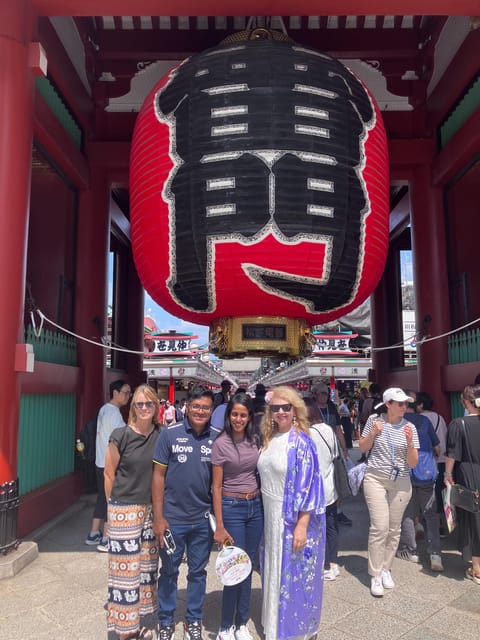
At $93 per person, this is not the cheapest way to walk around Asakusa. You can visit Kaminarimon, Nakamise, Senso-ji, and Asakusa Shrine independently for far less money.
The price makes more sense if you value three things: an English-speaking guide, a planned route through the main sights, and the optional 20-minute rickshaw ride. The guide saves you from researching the area in advance and gives cultural context that signs and guidebooks may not provide.
The value improves for a first visit, especially if you have limited time in Tokyo. You get the main Asakusa landmarks in three hours and finish back where you started. That makes it easy to continue to another part of the city afterward.
The price is harder to justify if you plan to explore slowly, shop at length, or spend serious time inside Senso-ji. You would have more freedom on your own. It is also poor value if you thought the rickshaw was automatically included, so check the option before paying.
Timing, footwear, and weather
The activity lasts three hours, and you choose a start time from the available options. Because this is a walking tour, wear comfortable shoes. The route includes several stops, street walking, and stairs, so sandals or stiff new shoes could make the experience less pleasant.
The tour operates rain or shine. Bring a camera, and check the weather before you leave. Since food and drinks are not included, plan your refreshments around the walk rather than expecting a meal during the tour.
Hotel pickup and drop-off are not included. You need to reach the meeting point in front of the Asakusa Culture Tourist Information Center and return there at the end.
The activity is not suitable for wheelchair users or people who cannot manage stairs. It is also not suitable for people over 95 years old, according to the stated restrictions. Children must be accompanied by an adult, and smoking is not allowed.
Who should book this Asakusa experience?
I would choose this tour if you want a guided first look at Asakusa and like the idea of adding a short rickshaw ride. It suits people who want the main sights arranged in a sensible order, with cultural explanation along the way.
It also works well for small parties. A group capped at eight feels more manageable than a large sightseeing crowd, especially around Kaminarimon and Nakamise.
I would hesitate if your priority is a long rickshaw ride, extensive shopping, or a quiet temple visit. The rickshaw lasts only 20 minutes, the shopping stops are brief, and the guide may be difficult to hear in busy conditions.
You can cancel up to 24 hours in advance for a full refund, and the reserve-now, pay-later option keeps your plans flexible. Those policies help, but they do not replace the need to confirm the rickshaw option before booking.
Should you book it?
Book this experience if you want a structured, three-hour introduction to Asakusa with an English-speaking guide and the chance to add a 20-minute rickshaw ride. The route covers the essential sights, and the small group format gives you a better chance to stay connected with the guide.
Skip it if you are expecting a long rickshaw outing or prefer to explore at your own pace. For the best match, select the rickshaw option clearly, arrive early at the information center, stay close enough to hear the guide, and wear shoes made for walking.
FAQ
Where does the tour start?
The tour starts in front of the Asakusa Culture Tourist Information Center.
Where does the tour end?
The activity ends back at the meeting point, in front of the Asakusa Culture Tourist Information Center.
How long does the tour last?
The full activity lasts three hours.
Is the rickshaw ride included?
The 20-minute rickshaw ride is listed as an optional part of the experience. Confirm that you select the rickshaw option when booking.
How long is the rickshaw ride?
The rickshaw ride lasts 20 minutes.
What sights does the walking route visit?
The route includes Kaminarimon, Nakamise Shopping Street, Asakusa Shrine, Senso-ji Temple, Nishi Sando Shopping Street, and Hoppy Street.
Is the tour offered in English?
Yes. The tour has a live English-speaking guide.
How large is the group?
The group is limited to eight participants.
Are food and drinks included?
No. Food and drinks are not included.
Is the tour suitable for wheelchair users?
No. The activity is not suitable for wheelchair users or people with mobility impairments, and the route includes stairs.
More Tuk Tuk City Tours in Japan
- Asakusa, Tokyo: Rickshaw Experience and Highlights Walking tour
★ 5.0 · 47 reviews - [30 minutes] Rickshaw tour around Asakusa [History, sightseeing, Tokyo Skytree]
★ 5.0 · 38 reviews - Otaru: Private Otaru Sightseeing Tour by Rickshaw
★ 5.0 · 4 reviews - Private Lisbon Sightseeing Tuk-Tuk Tour: Alfama, Belém & More
★ 5.0 · 4,277 reviews
Just added around Japan
- Sushi Making Tokyo with Traditional Rickshaw Ride Tour in Asakusa★ 5.0 · 12 reviews
- Otaru Rickshaw Tour★ 5.0 · 76 reviews
- Hot Spring Capital of Yufuin Rickshaw Tour★ 5.0 · 32 reviews
- Exiting Rickshaw ride and Kimono experience★ 5.0 · 4 reviews
- Kyoto Sagano Insider: Rickshaw and Walking Tour★ 5.0 · 15 reviews
- Private 3-hour Kyoto Arashiyama Rickshaw Tour★ 5.0 · 5 reviews
- Kurashiki Rickshaw Tour★ 5.0 · 39 reviews
- Kamakura Rickshaw Tour★ 5.0 · 53 reviews
Rickshaw Tours, compared.

Old Delhi Food, Heritage&Cultural Walk with Rickshaw ride to Masterji Kee Haveli
Read our review →
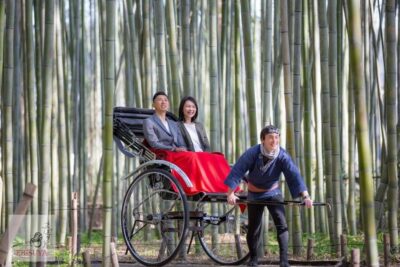
Arashiyama Customized Rickshaw Tour & Bamboo Forest
Read our review →
Split by Private Electric Rickshaw – Palace & Hidden Gems
Read our review →
Where else this ride shows up