
REVIEW · RICKSHAW TOURS
Otaru Rickshaw Tour
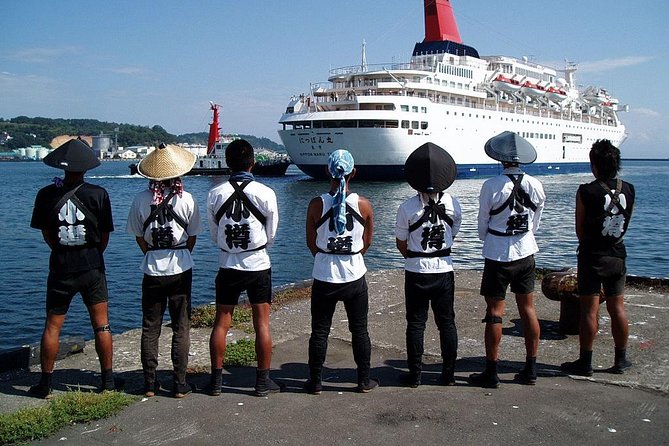
Otaru’s old canal district is easy to walk, but a rickshaw gives you a faster sense of how the port city fits together. You’ll pass warehouses, rail tracks, small lanes, and the water while your driver explains what you’re seeing and pauses for photographs. The city’s historic port character is the real star here.
I like the way the ride combines local stories with easy sightseeing, especially when guides such as Koto and Kuma are available. I also like the choice of length: 30 minutes works as a quick introduction, while 90 minutes gives you time for more stops and a better feel for Otaru.
The main concern is comfort. A rickshaw is only 74 centimeters wide, so two adults may feel cramped. The meeting time is also not final until confirmed by email, which matters if you are visiting Otaru during a tight cruise or rail schedule.
Key points to know before you book
- The canal is only part of the ride: You also pass old rail tracks, narrow lanes, the former Nippon Yusen Kaisha Otaru Branch, and the marina.
- The guides add most of the value: Koto and Kuma have been praised for clear self-taught English, local knowledge, humor, and photography help.
- Longer rides are better for orientation: A 90-minute booking gives you more time to understand Otaru before exploring on foot.
- Two adults fit, but not always comfortably: Book separate rickshaws if you want more room or if passengers are larger in build.
- The meeting point is central: Start and finish at Chuo Bridge, written as 中央橋, near public transportation.
- The price is reasonable for a private introduction: At $42.90 per person, the ride is most useful when you value a guide, photos, and a quick overview rather than simple transport.
Why a rickshaw works well in Otaru
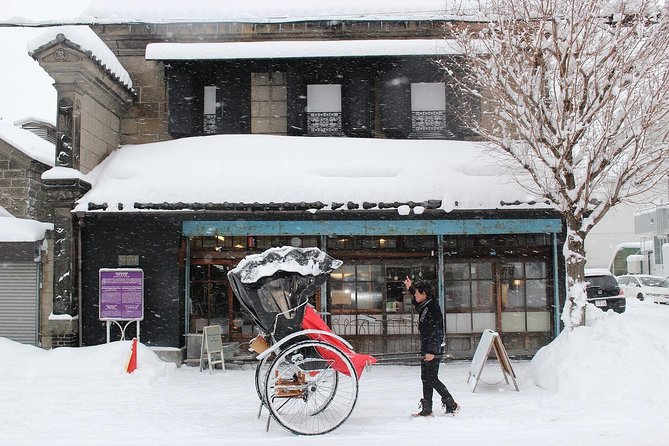
Otaru is a port city with a compact old center, but its appeal is spread across several connected sights. The canal, warehouse fronts, former rail route, marina, and historic buildings make more sense when you see them as parts of one working port.
That is where the rickshaw earns its keep. You are not simply being pulled past a famous canal. Your driver can connect the old commercial buildings with the water, the rail tracks, and the fishing-town setting. You can also ask questions as you go, something you cannot do with a self-guided stroll unless you have done a lot of preparation.
I would think of this as a guided orientation ride, not a full sightseeing day. The route is private for your group, and the length ranges from about 30 minutes to two hours. That gives you room to match the ride to your schedule, but the exact stops and amount of time at each place can vary with the option you choose.
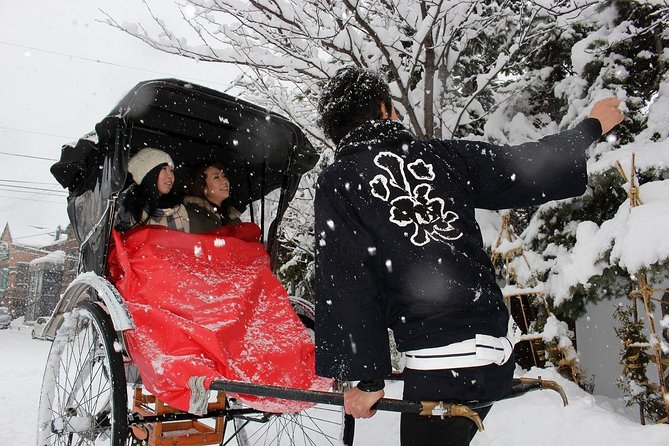
The ride also offers a change of pace. Otaru can be busy around the canal, yet the rickshaw lets you sit back while your driver handles the movement through the central area. In summer, the sea air adds to the pleasure. In winter, the snow-covered views create a very different mood, though you should dress for the cold rather than expect the rickshaw to provide shelter.
More Rickshaw Tours in Japan
- Tokyo Asakusa Rickshaw Tour
★ 5.0 · 1,375 reviews - Kyoto: Arashiyama Customized Rickshaw Tour & Bamboo Forest
★ 5.0 · 432 reviews - Kyoto Arashiyama Rickshaw Tour with Bamboo Forest
★ 5.0 · 354 reviews
Starting at Chuo Bridge
The meeting point is Chuo Bridge, or 中央橋, in central Otaru. The ride ends back at the same meeting point unless you arrange another finish and pay any extra drop-off fee required on the day.
This location makes practical sense for a short city visit. It is near public transportation, and the meeting place is easy to identify with the supplied map and photo. Still, I would allow extra time to find the stand, especially if you are arriving from a cruise ship, railway station, or another part of town.
Your selected starting time is not automatically guaranteed. The operator confirms the time by email within 24 hours of booking. That is a small but important detail: check your email before setting your day around the ride.
The activity is private, so only your own group takes part. That gives you more freedom to ask questions and request a brief photo stop than you would have on a large shared bus. It also makes the price easier to understand for couples or families who want a personal introduction to Otaru.
The canal and the old warehouse district
The canal is the visual center of this experience. From the well-known bridge, you get a clear view along the canal, with old warehouses lining the water. This is the classic Otaru scene, and it is the place where you are most likely to want a photograph.
The rickshaw does not reduce the canal to a quick photo stop. The ride also includes the north part of the canal and other nearby streets, helping you see how the waterfront connects with the older commercial quarter.
That wider view matters. If you only walk from one postcard angle to another, Otaru can feel like a small collection of attractive facades. With a guide, you can better understand the relationship between the canal, storage buildings, piers, and the city’s former trade activity.
The canal area can be the most crowded part of your visit. A rickshaw is useful here because your driver knows how to move through the sightseeing zone and can point out views as you go. Do not expect a quiet private lane at every moment, though. The canal is Otaru’s most popular sight, and the experience is still a visit to a public center.
Former Nippon Yusen Kaisha Otaru Branch
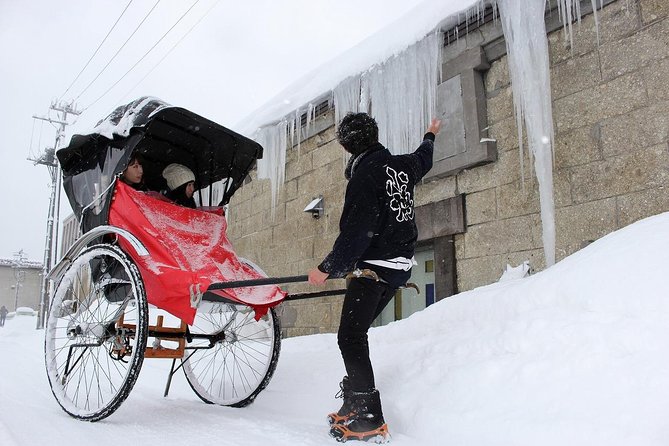
One scheduled stop is the former Nippon Yusen Kaisha Otaru Branch. You can visit inside the old post office building, with admission charged separately.
This stop adds architectural context to the ride. It gives you a chance to look beyond the canal and see one of the older business buildings tied to Otaru’s port past. The interior visit also breaks up the outdoor ride, which is helpful in winter or on a wet day.
Because the admission ticket is not included, budget a little extra if you want to go inside. The supplied details do not give the entrance fee, so you should confirm the current cost locally or at booking.
I would not plan the entire experience around this interior stop. Its value is that it adds another layer to the city, while the main pleasure remains the moving route through the central district. If you choose a short 30-minute ride, the time available for an interior visit may be limited.
Same place, a completely different ride:
- Kyoto Rickshaw Tour
★ 5.0 · 210 reviews - Tokyo: Asakusa Sightseeing Tour by Rickshaw
★ 4.9 · 195 reviews - Kyoto: Private Rickshaw Tour of Gion and Higashiyama Area
★ 5.0 · 144 reviews - Kamakura Rickshaw Tour
★ 5.0 · 53 reviews
Old rail tracks and small lanes
The route also passes old rail tracks and a small alley. These details may sound less grand than the canal, but they help show the working side of Otaru.
The rail tracks connect the waterfront with the city’s earlier transport network. The narrow alley gives you a more intimate view of the old center, away from the broad canal photo points. These are the places where a local driver can be especially useful, since you may otherwise walk past without understanding why they matter.
I like this part of the route because it keeps the ride from becoming a single scenic loop. You get the famous view, but you also see modest corners that help explain Otaru as a functioning port town rather than only a sightseeing district.
The drawback is that the supplied route does not specify how long the rickshaw stops at each point. If you want a careful look at every location, choose a longer ride and ask the driver at the start what can reasonably fit.
A quick look at Otaru Marina
The ride includes a short stroll through Otaru Marina, described as an important part of the fishing town. This gives you a different view of the city from the old canal warehouses.
The marina helps round out the experience. Otaru is not just an old commercial center preserved for visitors. Its connection with the sea remains central to its identity, and the marina brings that setting into the route.
The word quick matters here. This is not presented as an extended marina visit or a boat excursion. Think of it as a short change of scene, useful for seeing another side of Otaru before returning to the main meeting point.
If the sea breeze is strong, the marina may feel colder than the sheltered streets. In summer, that breeze can be welcome. In winter, gloves and a warm coat are sensible, especially because you may be sitting still for part of the ride.
The guides make the difference
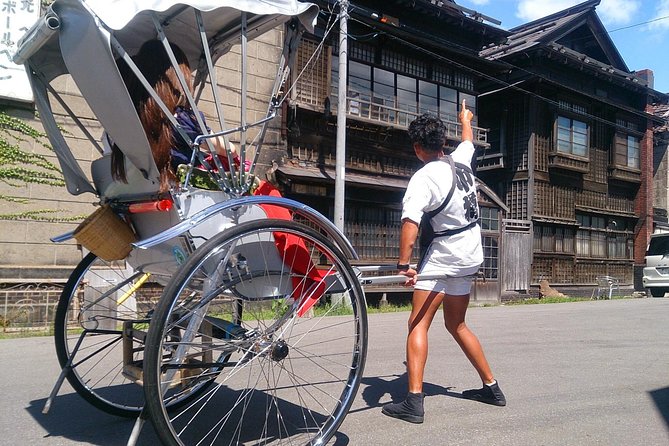
The rickshaw itself is memorable, but the driver determines how much you get from it. Guides named Koto and Kuma have been especially praised for polite service, strong English, local explanations, and help with photographs. Their English is self-taught, and Kuma is also described as knowing some Korean and Chinese.
That does not mean you are guaranteed one of those guides. The operator may provide a multilingual driver depending on availability. You can ask for a guide who speaks your language at the departure point, but the request is subject to availability.
A good driver adds more than facts. The best moments can come from a short explanation at an otherwise ordinary street, a quick joke, or a carefully arranged photo. One guide was also noted for photography as a hobby, which may be useful if you want a proper picture of your group rather than a hurried snapshot.
Your expectations should remain practical. This is not a formal museum lecture, and the depth of commentary may vary by guide and language. Still, the personal format gives you a much better chance to ask about what interests you.
Choosing between 30, 60, and 90 minutes
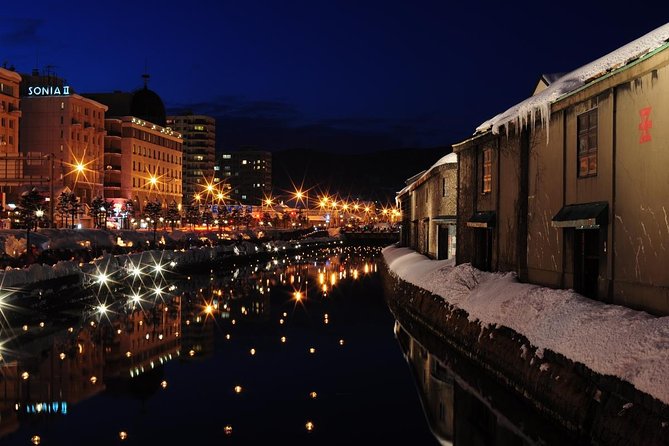
The short option is useful if you have only a small gap in your schedule. A 30-minute ride can give you the canal, a few central sights, and a quick introduction before you continue on foot.
I would choose about an hour for a balanced first look. You have enough time to see several parts of the route without turning the ride into the main event of your day.
The 90-minute option is the strongest choice if Otaru is a major stop on your day. One group used two rickshaws for an hour, while another chose a 90-minute ride and then explored the city afterward. That longer format lets you ask more questions, pause for photos, and use the ride to plan where to walk next.
A two-hour option may suit you if you want a slower private experience, but the available details do not promise a fixed list of extra stops for the longest duration. Ask what the selected length includes before you commit.
Price, group size, and comfort
The listed price is $42.90 per person. That is not the cheapest way to move around Otaru, but it is fair if you want a private guide, a distinctive ride, and a compact overview of several historic areas.
The value improves for a first visit, a short port call, or a family group that wants orientation without a long walk. It is less compelling if you only want to travel from one place to another, since the ride is designed as sightseeing rather than transport.
Each rickshaw holds a maximum of two adults. Children age five and under can ride on an adult’s lap without using a separate seat, with up to two young children allowed with two adults. Adult pricing applies from age six.
Pay close attention to the width. The rickshaw is 74 centimeters wide, and two adults may feel squeezed. If you want more personal space, or if both passengers are larger in build, book one rickshaw per person. If you arrive with two people who cannot comfortably share one, an extra rickshaw may not be available that day, especially with an English-speaking driver.
Expectant mothers in the first 16 weeks of pregnancy are not permitted to ride. Most other participants can take part, but you should consider your own comfort with sitting in a narrow open vehicle.
What is included and what is not
The price includes the rickshaw ride and a local driver-guide. Food and drinks are not included unless specifically stated, and hotel pickup and drop-off are not included.
You start and finish at Chuo Bridge. A different finishing point may be possible, but an additional drop-off fee can apply and is paid on the day. If you are trying to reach a cruise terminal or another part of Otaru, ask about this before the ride begins rather than assuming it is included.
The former Nippon Yusen Kaisha Otaru Branch admission ticket is also separate. This keeps the basic price clear, but you should carry a little extra if you want to go inside.
Free cancellation is available if you cancel at least 24 hours before the start time. Changes or cancellations inside that window are not refunded, and the cut-off follows local Otaru time.
Who should book the Otaru rickshaw ride
I would recommend this experience to you if you want a friendly introduction to Otaru before exploring independently. It works especially well for first-time visitors, couples, families, and people making a short stop from a cruise or train journey.
It is also a good choice if you value photographs and conversation more than a checklist of attractions. The private format lets your group set the tone, and the driver can help you notice the rail tracks, side streets, and marina as well as the famous canal.
You may want to skip it if you dislike sitting in a narrow vehicle, need a fully accessible ride, or prefer to spend your budget on museum admission and food. The ride is also less useful if you already know Otaru well and only need to walk between familiar sights.
Should you book it?
Book it if you have at least an hour, want context for Otaru’s canal district, and are comfortable paying for a private guided experience. I would choose 60 to 90 minutes, confirm the start time by email, and book separate rickshaws for adults who may not fit comfortably together.
For a very short visit, 30 minutes still gives you a pleasant overview. For a relaxed day, use the ride first, then return on foot to the canal, old rail tracks, small lanes, and marina areas that caught your interest.
FAQ
Where does the Otaru Rickshaw Tour start?
The tour starts at Chuo Bridge in Otaru, written as 中央橋. The meeting point is near public transportation.
Where does the tour finish?
The activity normally ends back at the meeting point. A different finishing location may be possible, but an additional drop-off fee can apply.
How long does the rickshaw ride last?
The available duration ranges from about 30 minutes to two hours. The exact route and time at each stop can vary with the option you select.
Is the tour private?
Yes. Only your own group participates in the activity.
How many people fit in one rickshaw?
A maximum of two adults can ride in one rickshaw. Up to two children age five or under may ride with two adults if they sit on an adult’s lap.
Can I cancel for a full refund?
Yes, if you cancel at least 24 hours before the experience start time. Cancellations or changes made less than 24 hours before the start are not refunded.
Just added around Japan
- Sushi Making Tokyo with Traditional Rickshaw Ride Tour in Asakusa★ 5.0 · 12 reviews
- Exiting Rickshaw ride and Kimono experience★ 5.0 · 4 reviews
- Hot Spring Capital of Yufuin Rickshaw Tour★ 5.0 · 32 reviews
- Kyoto Sagano Insider: Rickshaw and Walking Tour★ 5.0 · 15 reviews
- Private 3-hour Kyoto Arashiyama Rickshaw Tour★ 5.0 · 5 reviews
- Kurashiki Rickshaw Tour★ 5.0 · 39 reviews
- Kamakura Rickshaw Tour★ 5.0 · 53 reviews
- Kamakura Heritage Bike or Walk Tour with ex-Rickshaw guide★ 5.0 · 11 reviews
Rickshaw Tours, compared.

Old Delhi Food, Heritage&Cultural Walk with Rickshaw ride to Masterji Kee Haveli
Read our review →
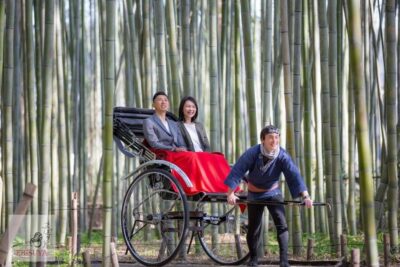
Arashiyama Customized Rickshaw Tour & Bamboo Forest
Read our review →
Split by Private Electric Rickshaw – Palace & Hidden Gems
Read our review →
Where else this ride shows up