
REVIEW · RICKSHAW TOURS
Tokyo Vegan Tour : Miso Making, Tea Ceremony, Rickshaw Ride
Tokyo’s food culture gets a hands-on treatment here. You make miso with rice koji from a 150-year-old fermentation shop, shape onigiri with Tokyo-grown rice and fresh nori, then sit down for matcha at Kōdōin, a sub-temple of Zojoji. The tour finishes with a short rickshaw ride and sake tasting.
I like the strong local flavor: this is not just a tasting parade, since you actually handle the ingredients and learn why they matter. I also like the private-group format and the careful English guidance. Konomi, one of the guides associated with the experience, is praised for being friendly, clear, and easy to talk with.
The main consideration is pace. Four hours covers cooking, a temple, tea, rickshaw riding, and sake, so none of the stops gets a long, unhurried visit. The rickshaw ride is only 10 minutes unless you pay for extra time, and you should confirm whether the optional additions you want are included in your price.
Key points at a glance
- Miso made with traditional rice koji: Use high-quality koji sourced from a fermentation shop with 150 years of experience.
- Two Japanese staples in one kitchen session: Choose miso making, onigiri making, or both for an additional fee.
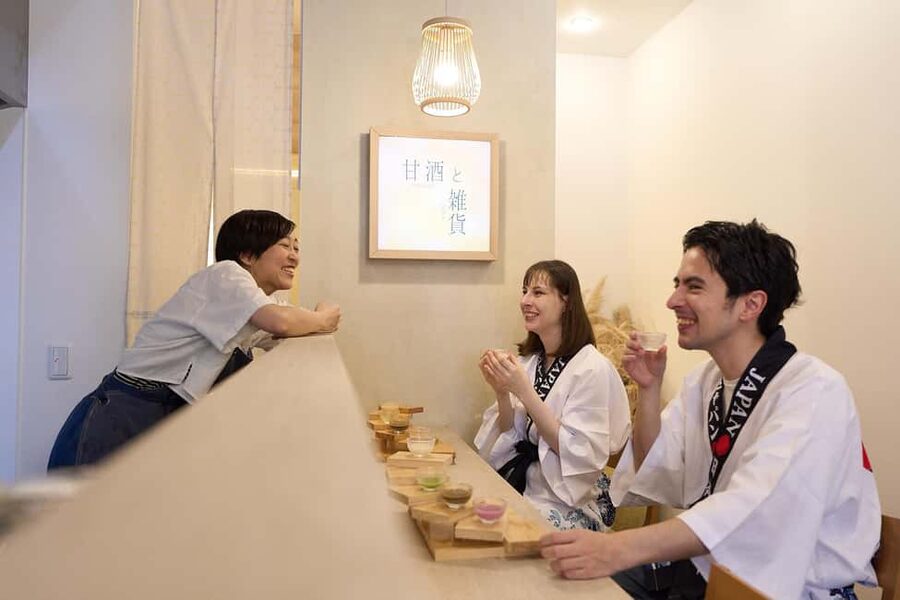
- Five amazake tastings: Try several versions of this traditional Japanese drink after eating your handmade onigiri.
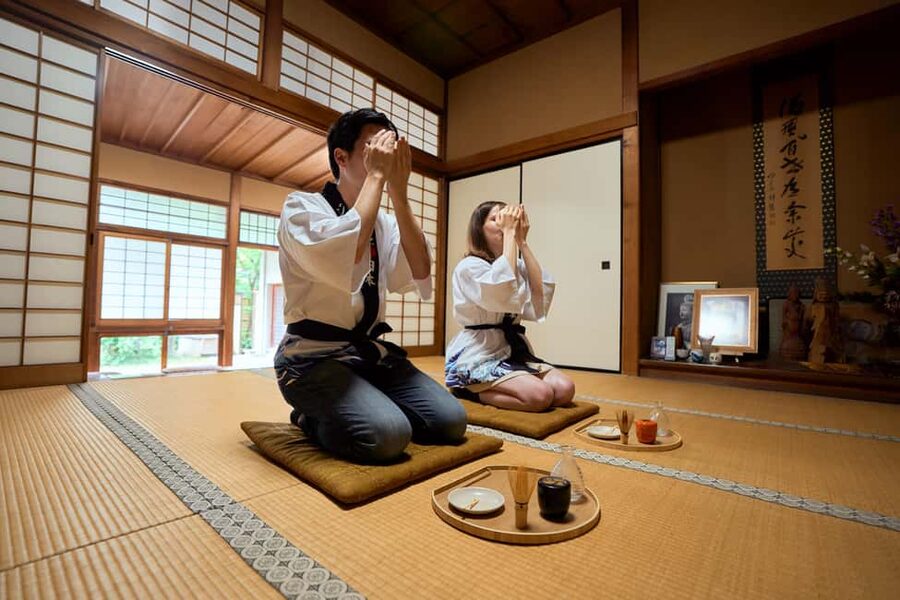
- Tea inside historic Kōdōin: Learn about matcha, Zojoji, and temple customs in a quiet setting.
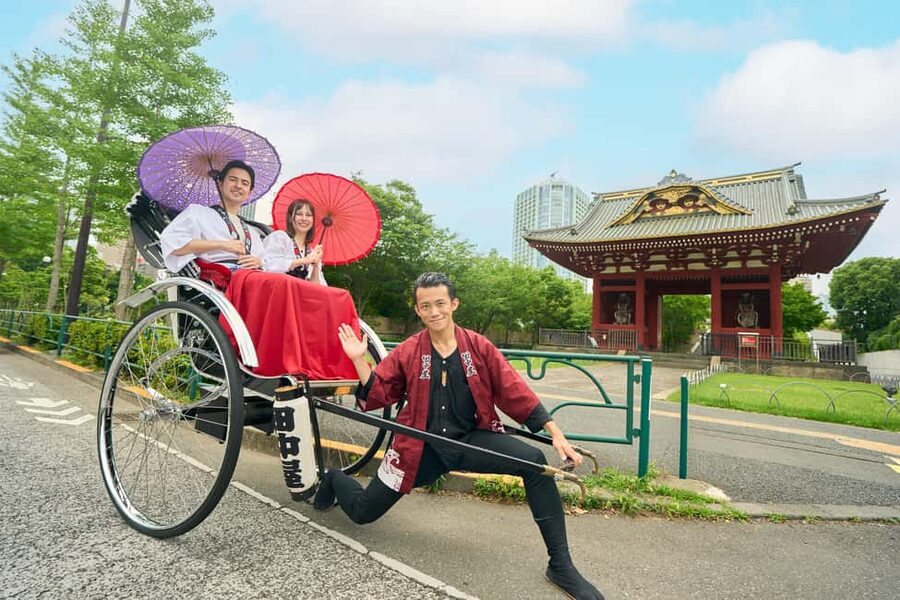
- A short rickshaw view of Tokyo Tower: The 10-minute ride offers a different angle on the Zojoji and Minato area.
- Sake from a rare Tokyo brewery: Finish at Minato Shuzo, described as the only sake brewery within Tokyo’s 23 special wards.
Why this four-hour Tokyo tour feels different
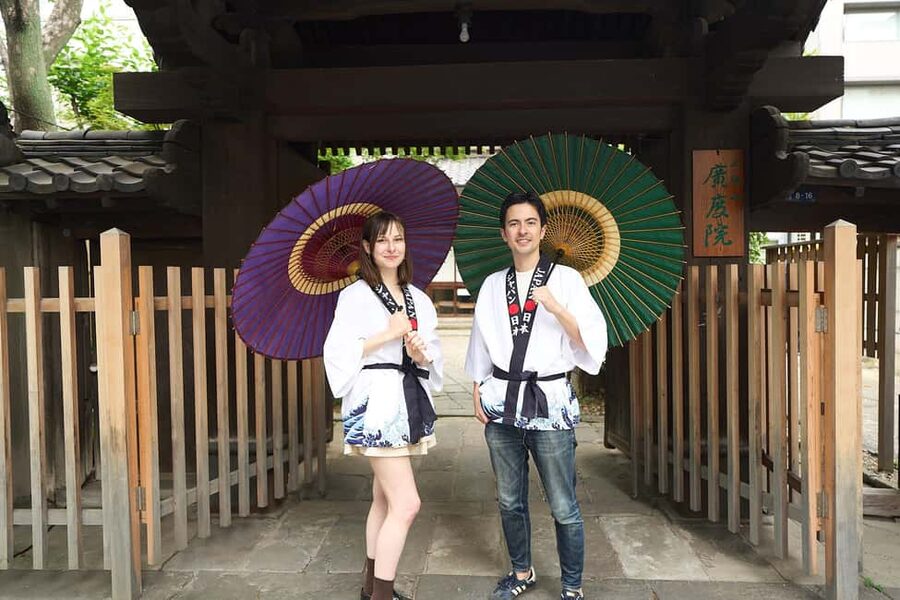
Many Tokyo food activities ask you to sit, sample, and listen. This one puts you to work. You measure, shape, taste, and ask questions as you move through several parts of Japanese food and culture.
The appeal is the mix. Miso making explains fermentation. Onigiri shows how a simple rice snack depends on good rice, seaweed, and careful shaping. Amazake introduces a sweet traditional drink. Matcha brings in ceremony and calm. Sake adds a final taste of Japan’s brewing culture.
You also get a small dose of Tokyo sightseeing without spending half the day on trains. Daimon Station is the starting point, and the route remains in Minato City. Walking sections take about five minutes, while the rickshaw carries you through the area around Tokyo Tower and Zojoji Temple.
This is a private group experience, which matters. You can ask questions without trying to catch a guide’s voice over a large crowd. It also makes the cooking portion more useful, since the guide can watch what you are doing and explain each step.
More Rickshaw Tours in Japan
- Tokyo Asakusa Rickshaw Tour
★ 5.0 · 1,375 reviews - Kyoto: Arashiyama Customized Rickshaw Tour & Bamboo Forest
★ 5.0 · 432 reviews - Kyoto Arashiyama Rickshaw Tour with Bamboo Forest
★ 5.0 · 354 reviews
Starting at Daimon Station and settling into Minato
Meet at Daimon Station, Exit A6. From there, the tour heads into Minato City for the cooking session.
The location gives the experience a sensible shape. You are not spending the morning crossing Tokyo to reach unrelated sights. Instead, food, temple culture, Tokyo Tower views, and sake all connect within one district.
The live guide speaks English and Japanese, and the tour itself is conducted in English. Konomi is one guide connected with this experience, and the available feedback describes her as approachable, clear, and comfortable handling questions.
Expect the opening part to be practical rather than ceremonial. You will get oriented, learn what you are making, and begin working with the ingredients. If you want both workshops, pay attention when booking because the standard choice is one workshop, either miso or onigiri, while both require an optional fee.
Making miso with 150-year-old rice koji
The miso session is the most distinctive food stop. You work with rice koji sourced from a fermentation shop that has been making it for 150 years. That detail gives the class a useful sense of place. Miso is common in Japan, but the quality and method behind it are part of the story.
The class is not simply a demonstration. You make the product yourself, with the English-speaking staff guiding you through the process. You should come ready to handle ingredients and follow instructions rather than expect a long lecture.
For a vegan visitor, this is particularly reassuring. All ingredients used in the experience are plant-based and vegan-friendly. You do not need to keep checking every dish for fish, meat, or dairy ingredients during the main food activities.
The miso workshop may be the better pick if you are interested in Japanese pantry staples, fermentation, or food traditions that continue at home. It is also the stronger choice if you want a souvenir with a connection to the class, though the supplied details do not specify how much miso you take away or how it is packaged.
Shaping Tokyo-grown rice into onigiri
The onigiri portion is more immediate and playful. You use Tokyo-grown rice and freshly harvested nori seaweed to shape rice balls, often called triangle rice balls.
This is a simple dish, but simplicity makes the ingredients important. Good rice has to hold together without becoming heavy, while nori gives the finished snack its clean, savory edge. The class lets you see how a familiar Japanese food is formed before you eat it.
You then sit down and enjoy your own onigiri. That timing is one of the best parts of the activity: you are not watching someone else prepare a dish and then receiving a prepared sample. You eat what you have just made.
If you want an easy, social cooking activity, onigiri is likely the better single choice. It requires less patience than fermentation and gives you a finished result during the tour. Families and first-time visitors may find it more accessible, though no minimum age is provided, so check before booking with young children.
Same place, a completely different ride:
- Kyoto Rickshaw Tour
★ 5.0 · 210 reviews - Tokyo: Asakusa Sightseeing Tour by Rickshaw
★ 4.9 · 195 reviews - Kyoto: Private Rickshaw Tour of Gion and Higashiyama Area
★ 5.0 · 144 reviews - Otaru Rickshaw Tour
★ 5.0 · 76 reviews
Five amazake tastes after the cooking
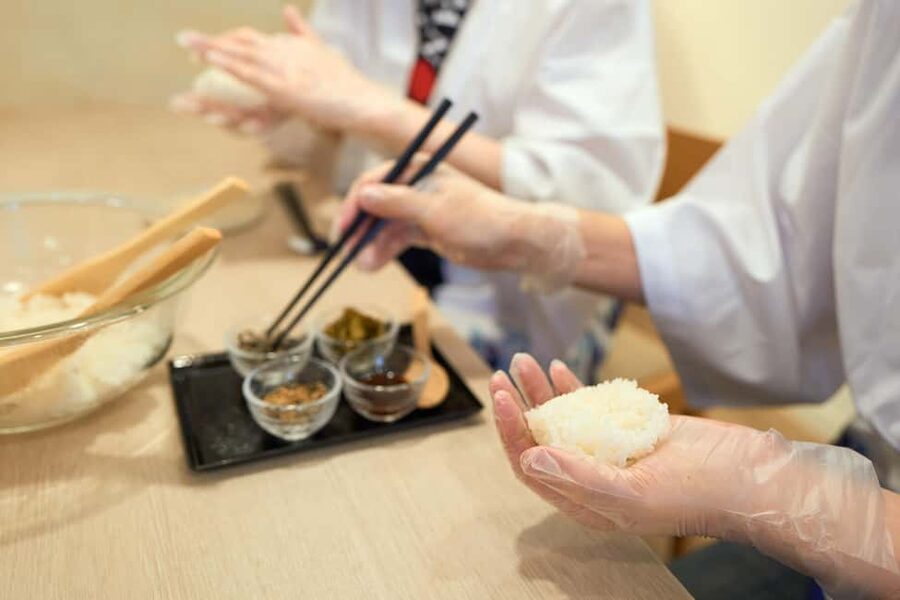
After the onigiri, you taste five different types of amazake. Amazake is a traditional Japanese drink, and the tasting gives you a chance to compare styles rather than judge the drink from one sample.
This is a useful stop for anyone who wants to understand Japanese flavors beyond sushi, ramen, and tempura. Amazake can be sweet and distinctive, and several versions side by side make the differences easier to notice.
The supplied information does not specify whether every amazake sample has the same sweetness or preparation method. Ask the guide what separates each one. Since the tour is private, you should have room for those small questions.
The food portion lasts about 1.5 hours. That is enough time for a real activity, but choosing both miso and onigiri will make the session feel fuller. If you want a relaxed afternoon rather than the maximum number of included experiences, choose the one workshop that interests you most.
Five minutes on foot to Kōdōin
After cooking, you walk for about five minutes to Kōdōin, a historic sub-temple of Zojoji. This short transfer keeps the day moving without turning into a transportation project.
Kōdōin provides a calmer setting after the hands-on kitchen work. The guide introduces the temple area and explains the connection with Zojoji. The experience is not presented as a long temple tour, so you should expect a focused cultural visit rather than a full survey of the complex.
That limited scope can be a plus. You get context for the place before the tea ceremony instead of simply entering, taking a few photographs, and leaving. It also lets the tea experience happen in a setting that feels connected to Japanese religious and cultural traditions.
Matcha in a historic temple setting
The matcha ceremony lasts about 45 minutes. You learn about the history of tea and take part in a traditional matcha experience at Kōdōin.
The ceremony is described as authentic but friendly, which is the right balance for most first-time visitors. You can expect customs and etiquette to matter, but the session is not meant to make you feel nervous about making a mistake. The tea ceremony specialist handles the formal elements while your guide helps explain what is happening.
Matcha is often reduced to a green drink in tourist areas. Here, the value is in seeing how tea is prepared and served within a particular setting. The quiet temple environment gives the activity more meaning than a quick café tasting.
The information lists matcha as optional in one place, while the main program includes the ceremony. If tea is a deciding factor, confirm at booking exactly which version of the package you are selecting.
A 10-minute rickshaw ride near Tokyo Tower
After the temple, you walk another five minutes before the sightseeing portion continues. The rickshaw ride lasts 10 minutes and travels around Tokyo Tower and Zojoji Temple.
A rickshaw offers a slower view than a taxi and a more personal ride than a train. You sit back while the puller handles the route, giving you time to look up at Tokyo Tower and take in the surrounding Minato streets.
The ride is short. That is the clearest limitation. Ten minutes is enough for a taste, not a full neighborhood tour. Longer rides are not included, though you can pay for more than 10 minutes.
One useful detail is comfort. The people riding are seated while the rickshaw puller does the work, and the ride has been described as comfortable despite the physical effort required. That does not make the ride a major sightseeing replacement, but it does make a memorable break between temple culture and the final tasting.
Sake at Minato Shuzo
The final stop is Minato Shuzo, described as the only sake brewery within Tokyo’s 23 special wards. That makes this more than a generic sake sample in a restaurant.
You taste premium sake and learn about the local brewery setting. The stop is brief, about 15 minutes, so expect a compact tasting rather than a full brewery tour or extended sake lesson.
The contrast with the earlier amazake tasting is useful. Amazake introduces a sweeter traditional drink, while sake shows another side of Japanese fermentation and brewing. Together with the miso class, the day forms a clear thread around fermented foods and drinks.
Because the tour is fully plant-based in its food ingredients, vegan participants may wonder about the sake. The supplied information includes sake tasting but does not state details about every brewing method or whether any added ingredients are used. Ask the guide if you have strict dietary or brewing concerns.
What the $62 price offers
At $62 per person, the tour gives you four hours of guided activities in a private group. The value depends on how many optional parts you choose.
At the basic level, you receive one cooking workshop, amazake tasting, the temple visit, a matcha experience where included, a 10-minute rickshaw ride, sake tasting, and English-speaking staff. That is a good amount for an afternoon, especially because several elements are experiences rather than passive stops.
The price looks strongest for someone who wants variety. A standalone cooking class may offer more time with one recipe, and a dedicated tea ceremony may offer more formal instruction. This tour trades depth for range.
If you add the second cooking workshop or extend the rickshaw ride, the total cost rises. I would choose the extra cooking session only if you genuinely want both miso and onigiri. The short rickshaw is enough to sample the format, but an extension may make sense if the ride itself is a major goal.
The private format improves the value for couples, families, or a small group of friends. Solo visitors should compare the price with other small-group options, since private tours can cost more per person when you are not sharing with others.
Who should book this experience
I would recommend this tour to you if you want a compact introduction to several Japanese traditions and prefer doing something with your hands.
It fits especially well for:
- Vegan visitors who want clear plant-based food activities.
- First-time visitors looking for a gentle cultural introduction.
- Couples or small private groups who value questions and flexible conversation.
- Food-focused visitors interested in fermentation, rice, amazake, and sake.
- Anyone staying near Tokyo Tower or planning to visit Zojoji.
You may want another type of activity if you want a long cooking lesson, a full temple tour, or a serious sake education. The day moves from one stop to the next, and the short rickshaw ride will not satisfy someone seeking a long neighborhood circuit.
Wear shoes that are easy to manage and arrive ready for a mix of standing, walking, sitting, and food preparation. The walking sections are short, but the experience is active in small bursts.
Practical details before you book
The total duration is four hours, with starting times available according to the date you select. The meeting point is Daimon Station, Exit A6.
The group is private, and live guidance is available in English and Japanese. The tour itself is conducted in English, making it a good choice if you want explanations throughout rather than only basic instructions.
Cancellation is free up to 24 hours before the start time, and you can reserve now and pay later. These terms help if your Tokyo schedule is still shifting, but confirm the exact booking conditions for your selected date.
The activity is listed as vegan-friendly, with all ingredients described as 100 percent plant-based. If you have allergies or strict dietary needs beyond veganism, tell the provider before the cooking begins.
Should you book the Tokyo Vegan Tour?
Book it if you want one well-packed afternoon built around food, tea, a temple, Tokyo Tower views, and local drinks. The strongest reasons are the hands-on miso or onigiri class, the five amazake samples, and the private English guidance.
The best value comes when you appreciate variety more than long visits. Pick onigiri for a quick, satisfying cooking result, miso for fermentation, or both if you want the fullest food session. Keep your expectations realistic about the 10-minute rickshaw ride and the brief sake stop.
For a vegan visitor seeking an easy cultural day in Minato, this is a thoughtful choice at $62 per person. For a specialist seeking deep instruction in just one subject, choose a dedicated cooking, tea, or sake activity instead.
FAQ
Where does the tour meet?
The meeting point is Daimon Station, Exit A6.
How long does the experience last?
The tour lasts four hours.
Is the tour conducted in English?
Yes. The tour is conducted in English, and live guidance is available in English and Japanese.
Is this a private tour?
Yes. The group type is private.
Are all the ingredients vegan?
Yes. All ingredients used in the experience are described as 100 percent plant-based and vegan-friendly.
Can I make both miso and onigiri?
You may choose either miso making or onigiri making. You can also choose both by paying the optional additional fee.
What is included with the cooking experience?
The experience includes a miso-making workshop or onigiri crafting, depending on your selection, along with amazake tasting.
How long is the rickshaw ride?
The included rickshaw ride lasts 10 minutes. Rides longer than 10 minutes are not included.
Is the matcha tea ceremony included?
The main program includes a matcha experience at Kōdōin, while the activity details also identify matcha as optional. Confirm the exact inclusions for the package you select.
Can I cancel for a full refund?
You can cancel up to 24 hours in advance for a full refund.
More Vegan and Vegetarian Tours in Japan
- Half-Day Tuk Tuk Tour with Vegetarian or Vegan Meal
★ 5.0 · 3 reviews - Bangkok: Vegetarian Food Tour with Tuk Tuk Ride
★ 4.0 · 3 reviews
Just added around Japan
- Sushi Making Tokyo with Traditional Rickshaw Ride Tour in Asakusa★ 5.0 · 12 reviews
- Otaru Rickshaw Tour★ 5.0 · 76 reviews
- Hot Spring Capital of Yufuin Rickshaw Tour★ 5.0 · 32 reviews
- Exiting Rickshaw ride and Kimono experience★ 5.0 · 4 reviews
- Kyoto Sagano Insider: Rickshaw and Walking Tour★ 5.0 · 15 reviews
- Private 3-hour Kyoto Arashiyama Rickshaw Tour★ 5.0 · 5 reviews
- Kurashiki Rickshaw Tour★ 5.0 · 39 reviews
- Kamakura Rickshaw Tour★ 5.0 · 53 reviews
Rickshaw Tours, compared.

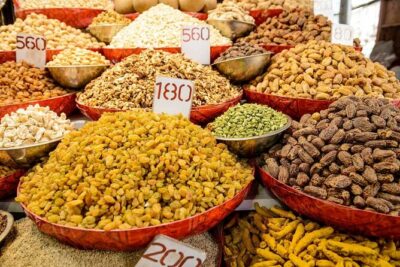
Old Delhi Food, Heritage&Cultural Walk with Rickshaw ride to Masterji Kee Haveli
Read our review →
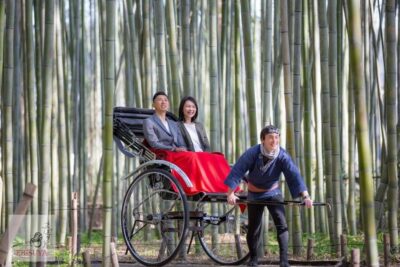
Arashiyama Customized Rickshaw Tour & Bamboo Forest
Read our review →
Split by Private Electric Rickshaw – Palace & Hidden Gems
Read our review →
Where else this ride shows up