
REVIEW · RICKSHAW TOURS
Kamakura: Private History and Heritage Tour by Rickshaw
Kamakura is easiest to understand from a rickshaw. You slip through quiet side streets, pass temple grounds, and reach the Great Buddha without spending your whole visit figuring out the town’s layout. The ride also gives you a quick introduction to Tsurugaoka Hachimangu Shrine and the old center.
I like the private format, since you can shape the route around your time and interests. I also like the built-in photo stops. Guides such as Satoshi have been praised for being friendly, taking photos, and explaining the sights along the way. The main consideration is that the standard tour language is Japanese, and the narrow 74-centimeter rickshaw may feel tight for some adults.
Key points to know before booking
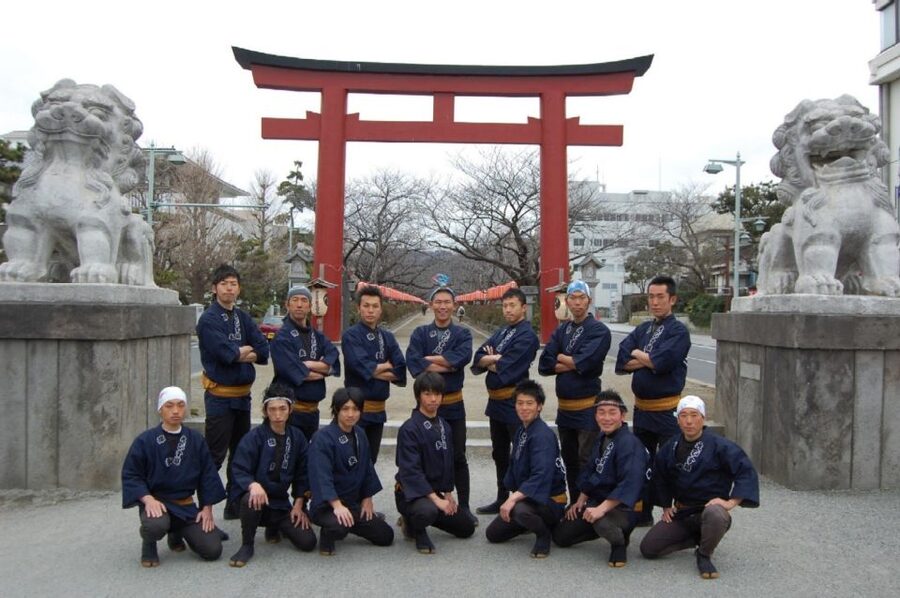
- Four tour lengths: Choose 45 minutes, 1 hour 10 minutes, 2 hours 10 minutes, or 3 hours 10 minutes.
- A private ride: Each rickshaw carries up to two adults, giving you a more personal outing.
- The longer route reaches the Great Buddha: The 2-hour 10-minute and 3-hour 10-minute options include Daibutsu.
- Hokokuji Temple adds gardens: The 1-hour 10-minute option includes time to walk through the temple grounds and famous garden.
- A central meeting point: The office is less than 90 meters from Tsurugaoka Hachimangu Shrine.
- Useful family details: Two children aged five or under may ride with two adults on adult laps, but a child with a separate seat pays the adult price.
Why a rickshaw works so well in Kamakura
Kamakura is compact, but its highlights are spread across a town that can feel confusing on a first visit. The station area, Tsurugaoka Hachimangu Shrine, Hokokuji Temple, and the Great Buddha each sit in different parts of town. Walking between them takes time, and local transportation can interrupt the sense of discovery.
A rickshaw solves part of that problem. You sit above street level while your guide pulls you through the center and along smaller roads. You get a moving introduction to Kamakura rather than a string of disconnected stops.
The vehicle is not simply a taxi. You are close to the street, close to the guide, and able to stop for photos. That makes the ride useful for seeing the town’s old streets and temple approaches, even when you have only a short time.
The private format matters. You are not waiting for a large group to board or listening to a long explanation meant for strangers with different interests. You can ask about shrines, temples, photography, or Kamakura’s Samurai past. The tour can also be adjusted by discussing your preferences with the local partner.
The guide language deserves a careful note. The activity lists Japanese as its tour language, but one guide was specifically praised for speaking English and Japanese. If you need an English explanation throughout, confirm this before booking rather than assuming it is included.
More Private Tuk Tuk Tours in Japan
- Kyoto: Private Rickshaw Tour of Gion and Higashiyama Area
★ 5.0 · 144 reviews - Miyajima: Private Rickshaw Tour to Itsukushima Shrine
★ 4.9 · 45 reviews - Private Miyajima Rickshaw Tour Including Itsukushima Shrine
★ 5.0 · 32 reviews
The 45-minute route: a quick look at central Kamakura
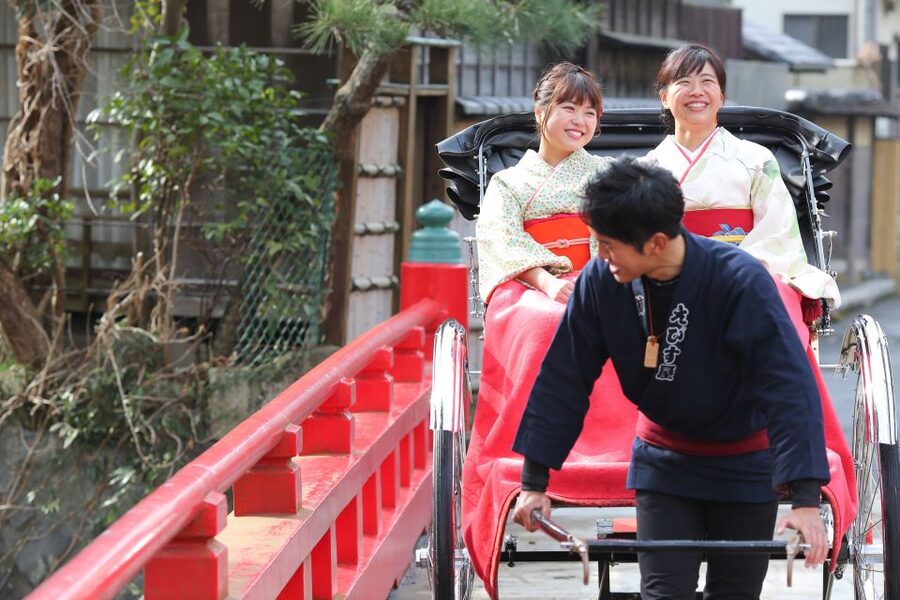
The shortest tour is best for a first orientation or a tightly planned day. It takes you through the center of Kamakura, past the Otori Gate and toward Tsurugaoka Hachimangu Shrine.
Otori Gate gives you an immediate sense of arrival. From there, the route introduces the shrine area and the streets around it. You will not have time to see every major site on this option, but you do get a practical look at the town’s historic core.
The return to the station uses quieter side streets and passes temple grounds. This is one of the better reasons to choose the rickshaw instead of simply walking along the main road. Your guide can point out places you might otherwise pass without noticing.
At $51 per person, the short route is not the cheapest way to move around town. You are paying for a private guide, a traditional ride, photo stops, and a quick cultural introduction. I would choose it when time is more valuable than admission to several individual sights.
Do not book the 45-minute option expecting the full Kamakura experience. It does not include the Great Buddha or the longer temple visits described for the other routes. Think of it as a polished introduction, not a full sightseeing day.
The 1-hour-10-minute tour and Hokokuji Temple
The next option adds Hokokuji Temple, making it a better choice if gardens matter to you. You can walk through the temple grounds and see the garden that gives this stop much of its appeal.
This longer visit changes the pace. Instead of seeing Kamakura only from the rickshaw, you have time to get out and walk. That small difference matters. A temple garden needs a few quiet minutes, and the 45-minute outing cannot provide them.
Hokokuji also gives you a break from the streets. The tour still has the convenience of a private vehicle, but this version includes a proper stop where you can move at your own pace for a while.
The limitation is coverage. This option includes Hokokuji but does not include the Great Buddha, which is reserved for the two longer tours. If Daibutsu is your main reason for visiting Kamakura, spend the extra time and choose one of those routes instead.
The 2-hour-10-minute route reaches the Great Buddha
The 2-hour 10-minute tour adds two of Kamakura’s defining sights: the climb up to Tsurugaoka Hachimangu Shrine and the Great Buddha Statue, also called Daibutsu.
Tsurugaoka Hachimangu is not just a quick pass-by on this route. You go all the way up to the shrine and get views over the city. The climb gives the visit a stronger sense of place, since you can see how the shrine relates to the streets below.
The Great Buddha is a major reason many people come to Kamakura. Seeing the statue up close gives the tour a clear centerpiece. The rickshaw takes care of much of the connecting travel, so you can spend your energy looking around rather than navigating every leg yourself.
You should still expect walking and some uphill movement at Tsurugaoka Hachimangu. The tour is wheelchair accessible, but anyone with back problems should think carefully about the ride and the route. Pregnant people are advised not to take the tour, particularly during the first 16 weeks.
This is the option I would recommend to many first-time visitors. It includes the strongest Kamakura symbols without taking as much time as the longest route. You get the shrine, city views, and Great Buddha, plus the rickshaw ride through the historic center.
More Rickshaw Tours in Japan
- Tokyo Asakusa Rickshaw Tour
★ 5.0 · 1,375 reviews - Kyoto: Arashiyama Customized Rickshaw Tour & Bamboo Forest
★ 5.0 · 432 reviews - Kyoto Arashiyama Rickshaw Tour with Bamboo Forest
★ 5.0 · 354 reviews - Kyoto Rickshaw Tour
★ 5.0 · 210 reviews
The 3-hour-10-minute option puts it all together
The longest route includes every major element described here: the central streets, Otori Gate, Tsurugaoka Hachimangu Shrine, its city views, Hokokuji Temple and garden, and the Great Buddha.
This is the best choice if Kamakura is a major part of your day rather than a short side trip. You avoid choosing between the garden and Daibutsu. You also have more room for photo stops and a less hurried look at the town.
The advantage is simple: you can see the broad range of Kamakura’s character in one private outing. The center feels urban and historic, the temple grounds offer a quieter pause, the shrine provides an elevated view, and the Great Buddha supplies the memorable final image.
The drawback is time. Three hours and 10 minutes is a serious commitment, especially if you also plan to eat, shop, or visit other sites on your own. Admission fees are not included, so budget for those separately. Food and drinks are also on you.
If you want to visit Kamakura at a calm pace and have limited interest in planning each connection yourself, this is the strongest value among the four routes. If you prefer to explore independently or have already arranged transportation, the shorter tour may be enough.
What the private format feels like
The rickshaw carries a maximum of two adults. That keeps the experience personal, but it also creates a practical space issue. Each vehicle is 74 centimeters wide, so two adults may find it more comfortable to book separate rickshaws, depending on their size and luggage.
A private ride also helps with photography. The tour includes photo stops, and guides have taken pictures for riders. You receive a souvenir postcard and sticker, small extras that are pleasant but not a reason to book the activity by themselves.
The strongest part of the format is the direct contact with the guide. One guide, Satoshi, has been singled out for being friendly and informative during the ride. Another guide was described as well spoken in both English and Japanese. Those details suggest the personal interaction can be a major part of the outing, but the official language remains Japanese.
If you have specific interests, contact the local partner before the tour. The route can be customized, so you may be able to shape the balance between shrine views, temple grounds, street scenes, and photo stops.
Price and practical value at $51 per person
At $51 per person, the price makes the most sense when you value time, help with navigation, and a private experience. You are not just paying for transport. The package includes the rickshaw, a guide, photo stops, and the postcard and sticker.
For the 45-minute route, the cost is relatively high if you judge it only as a short ride. Its value comes from the introduction to Kamakura and the chance to see streets and sites with a local guide.
For the 2-hour 10-minute or 3-hour 10-minute choices, the price is easier to justify. The vehicle connects several areas, and the guide helps you move between sights without building the entire plan yourself. You still pay admission fees separately, so factor that into the day’s budget.
The private group setup is especially useful for couples, families, or anyone who wants to ask questions freely. Solo visitors pay the same per-person rate, but may still appreciate the guide and photo assistance.
Free cancellation is available up to 24 hours before the start time, and you can reserve now and pay later. That gives you some flexibility while setting up a Japan itinerary.
Meeting point, families, and mobility
The guide waits just outside the Ebisuya Rickshaw office building. The office is less than 90 meters down the street from Tsurugaoka Hachimangu Shrine, so the meeting point is near one of Kamakura’s main landmarks.
There is no hotel pickup or drop-off. You also need to arrange your own transportation to Kamakura. Plan extra time to find the office, especially if you are coming directly from the station or meeting during a busy sightseeing period.
The tour is listed as wheelchair and stroller accessible. Still, the rickshaw’s 74-centimeter width is worth considering before you book. Accessibility and personal comfort are not always the same thing, particularly for a longer ride.
Children aged six and over pay the adult price. Up to two children aged five and under can ride with two adults if they sit on an adult’s lap. If a child under six needs an individual seat, that child pays the adult price.
The activity is not suitable for pregnant people or those with back problems. The information also says it is not recommended during the first 16 weeks of pregnancy. Take that warning seriously, since the ride and route may not suit every body.
Should you book this Kamakura rickshaw tour?
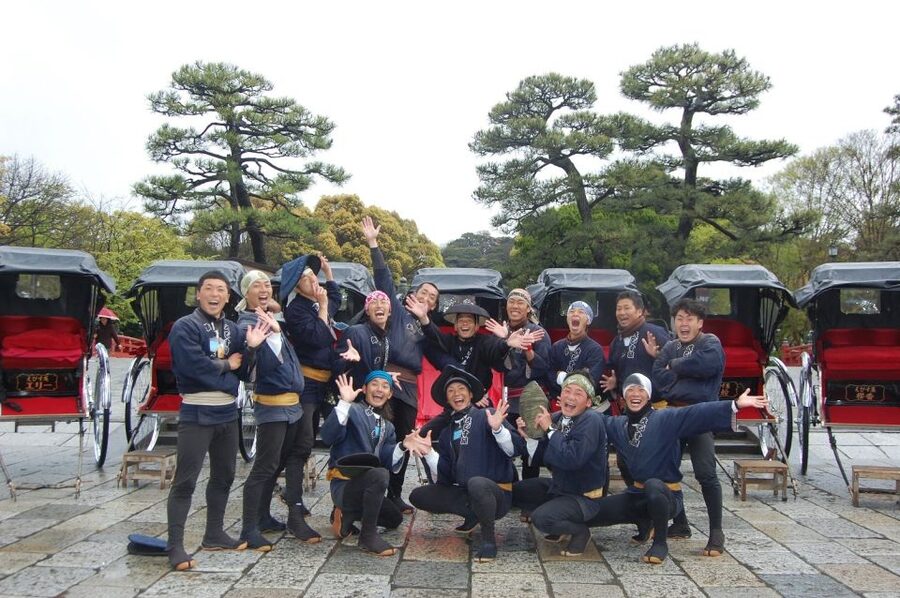
Book it if you want a private introduction to Kamakura, prefer help with the town’s layout, and like the idea of seeing the streets from a traditional open vehicle. The 2-hour 10-minute option is the best balance for most first visits because it includes Tsurugaoka Hachimangu, the city views, and the Great Buddha.
Choose 45 minutes if you have only a short window. Choose 1 hour 10 minutes if Hokokuji’s garden matters more than Daibutsu. Choose 3 hours 10 minutes if you want all the listed sights and can spare most of a half day.
I would skip it if you want an entirely independent visit, need guaranteed English guiding, have serious back concerns, or dislike narrow seating. For everyone else, the rickshaw offers a practical way to connect Kamakura’s main sights while adding a little local character to the ride.
FAQ
Where does the Kamakura rickshaw tour meet?
Your guide waits just outside the Ebisuya Rickshaw office building. It is less than 90 meters from Tsurugaoka Hachimangu Shrine.
How long are the available tours?
You can choose from four durations: 45 minutes, 1 hour 10 minutes, 2 hours 10 minutes, or 3 hours 10 minutes.
Does the tour visit the Great Buddha?
The Great Buddha is included on the 2-hour 10-minute and 3-hour 10-minute tours. It is not included in the two shorter options.
Which tour includes Hokokuji Temple?
The 1-hour 10-minute, 2-hour 10-minute, and 3-hour 10-minute options include Hokokuji Temple and time to walk through its garden.
Is the rickshaw tour private?
Yes. The tour is offered as a private group experience. A rickshaw carries up to two adults.
What language is the tour in?
The listed tour language is Japanese. One guide has also been described as speaking English and Japanese, so contact the local partner if English guiding is important to you.
Can children ride in the rickshaw?
Children aged six and over pay the adult price. Up to two children aged five and under may ride with two adults on an adult’s lap. A child under six who needs a separate seat pays the adult price.
Is the tour wheelchair accessible?
The tour is listed as wheelchair and stroller-friendly. Each rickshaw is 74 centimeters wide, so check whether that space will be comfortable for your party.
What does the price include?
The price includes the private rickshaw ride, a guide, photo stops, and a souvenir postcard and sticker. Hotel transfers, transportation to Kamakura, food, drinks, and admission fees are not included.
More History Rides in Japan
- [30 minutes] Rickshaw tour around Asakusa [History, sightseeing, Tokyo Skytree]
★ 5.0 · 38 reviews - Kamakura Heritage Bike or Walk Tour with ex-Rickshaw guide
★ 5.0 · 11 reviews - Nara: Cultural Heritage Tour by Rickshaw
★ 5.0 · 5 reviews - Rickshaw Tour of Kagoshima’s Historical and Cultural Sites
★ 5.0 · 4 reviews
Just added around Japan
- Sushi Making Tokyo with Traditional Rickshaw Ride Tour in Asakusa★ 5.0 · 12 reviews
- Otaru Rickshaw Tour★ 5.0 · 76 reviews
- Hot Spring Capital of Yufuin Rickshaw Tour★ 5.0 · 32 reviews
- Exiting Rickshaw ride and Kimono experience★ 5.0 · 4 reviews
- Kyoto Sagano Insider: Rickshaw and Walking Tour★ 5.0 · 15 reviews
- Private 3-hour Kyoto Arashiyama Rickshaw Tour★ 5.0 · 5 reviews
- Kurashiki Rickshaw Tour★ 5.0 · 39 reviews
- Kamakura Rickshaw Tour★ 5.0 · 53 reviews
Rickshaw Tours, compared.

Old Delhi Food, Heritage&Cultural Walk with Rickshaw ride to Masterji Kee Haveli
Read our review →
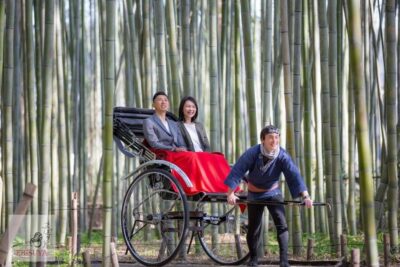
Arashiyama Customized Rickshaw Tour & Bamboo Forest
Read our review →
Split by Private Electric Rickshaw – Palace & Hidden Gems
Read our review →
Where else this ride shows up