
REVIEW · RICKSHAW TOURS
Ride a rickshaw wearing a kimono in Asakusa! Enjoy authentic traditional culture!
A kimono, a rickshaw, and Asakusa’s old-town streets make a memorable half-day in Tokyo. You change at HANAKA, receive a simple hair set and accessories, then ride through the neighborhood before spending the rest of the day taking photos, eating, and visiting Sensoji Temple.
I like the all-in-one setup, since the kimono, hair styling, sandals, summer clogs, and drawstring bag are included. I also like the small group limit of five, which keeps the dressing and rickshaw arrangements from feeling like a mass production. The main caution is sizing: larger kimonos can cost extra, and the dressing process may feel rushed if you want a long explanation in English.
Key points at a glance
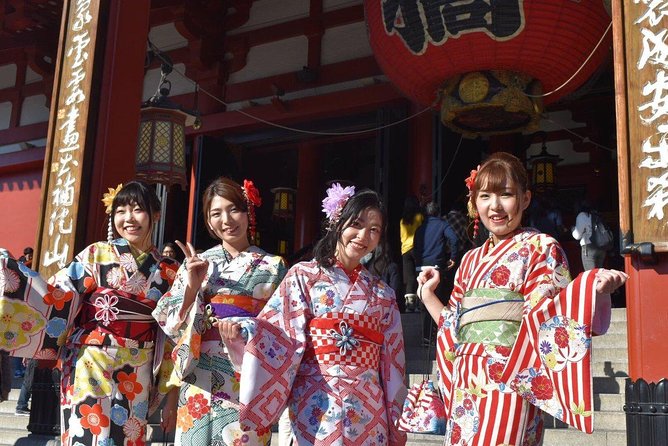
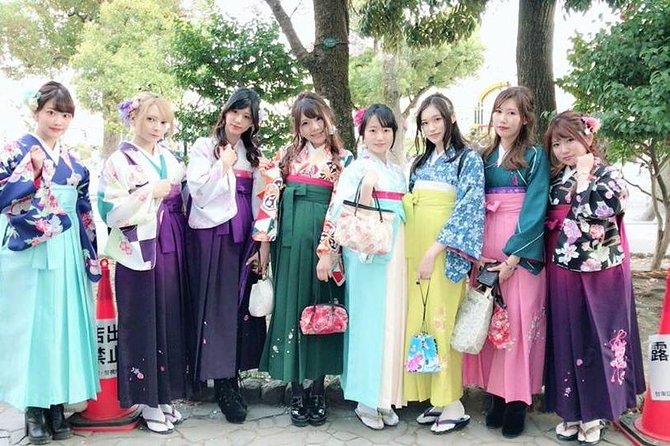
- A full traditional outfit: Kimono, hair accessories, sandals, and a drawstring bag are supplied.
- A short rickshaw welcome: Your driver collects you outside HANAKA for a roughly 12-minute ride and a commemorative photo.
- Asakusa on your own schedule: After the ride, you can visit Kaminarimon and Sensoji Temple, eat, and take pictures until 6pm.
- Small group format: The activity accepts a maximum of five people.
- Plan for size fees: Larger kimono sizes cost an additional 1,000 to 2,000 yen according to the booking details, though some customers report paying 2,200 yen.
- Good value at $52.17: The price covers the main cultural dressing and rickshaw experience, but not private transport, photography equipment, rain gear, or optional extras.
Starting at HANAKA near Kaminarimon
The meeting point is Asakusa Kimono Rental HANAKA, at 2-3-7 Kaminarimon, Taito City, on the fourth floor of the Duell Asakusa IV building. It is close to public transportation, but give yourself a few extra minutes to find the entrance. The shop can be reached from the Asakusa subway area, and the building is easier to identify once you are near the hotel and alley access described by previous customers.
You take off your shoes before entering the shop. That is a small detail, but it matters if you are carrying bulky luggage or wearing shoes that are awkward to remove. Since this is a complete rental, you do not need to bring a kimono, sandals, hair accessories, or a special bag.
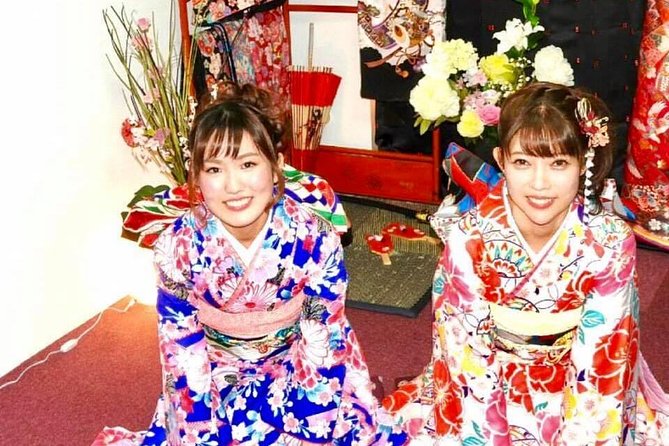
The shop is compact and filled with clothing and accessories. You choose your kimono, hair ornament, and small bag, while the staff select suitable footwear. The choice is part of the fun, though the available range depends on your size and the stock on the day.
More Rickshaw Tours in Japan
- Tokyo Asakusa Rickshaw Tour
★ 5.0 · 1,375 reviews - Kyoto: Arashiyama Customized Rickshaw Tour & Bamboo Forest
★ 5.0 · 432 reviews - Kyoto Arashiyama Rickshaw Tour with Bamboo Forest
★ 5.0 · 354 reviews
Getting dressed in about 30 minutes
The dressing session takes about 30 minutes. A professional kimono dressing instructor handles the layers and ties, while a hairdresser with a national qualification styles your hair and adds accessories. The salon is a full-time hairdressing shop, so the operator places particular emphasis on hygiene.
This is not the same as putting on a robe. A kimono needs careful adjustment around the waist, chest, and sleeves. The process can teach you a little about how much structure goes into traditional Japanese clothing, but it may move quickly. If you want a long cultural explanation at every step, you may find the session brief.
English communication can also be limited at times. Staff are described as friendly and accommodating, but some instructions may be delivered with gestures or short phrases. Follow directions closely, and use your phone for translation if you need to ask detailed questions about the outfit.
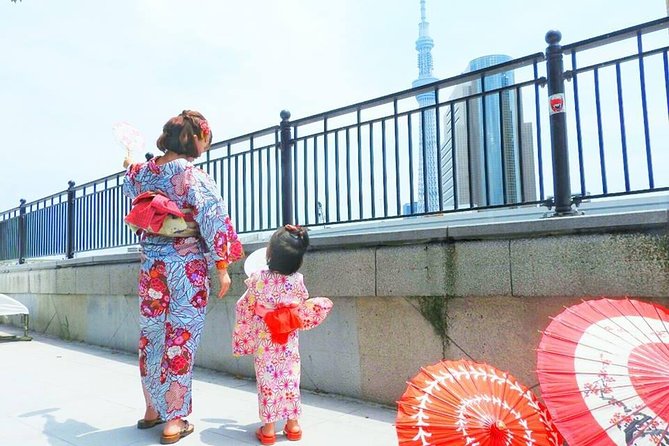
From June through September, the outfit is a yukata rather than a heavier formal kimono. That seasonal change should make warm-weather walking more comfortable, while summer footwear switches to clogs.
Sizing deserves a careful check
The standard kimonos are made in Japanese sizes. The booking details say that larger sizes may require an added fee of 1,000 to 2,000 yen, paid directly on the day. Some customers have reported a charge of 2,200 yen, so you should confirm the exact amount before booking if sizing may be an issue.
Height guidance is also given: women should be at least 168 centimeters and men at least 175 centimeters for certain larger sizes. The need for a larger garment can depend on more than height and weight. Chest, waist, and body shape also affect the fit.
This is the one part of the outing that can affect the value calculation. At $52.17, the base price is attractive for an outfit, hair styling, sandals, bag, and rickshaw ride. An unexpected size charge can change that feeling, especially if you booked because the advertised price looked fixed.
I recommend contacting HANAKA before the day if you are close to the stated height or size limits. That gives you a clearer idea of the likely cost and avoids an awkward surprise at check-in.
The rickshaw pickup and short ride
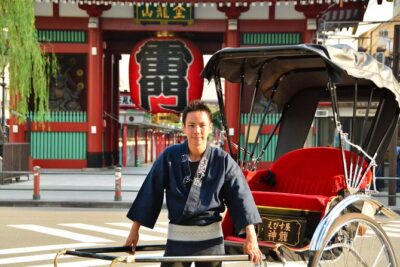
Once you are dressed, a rickshaw comes to the front of the shop. The staff take a commemorative photo before you board. The ride itself lasts about 12 minutes, so think of it as a festive introduction to Asakusa rather than a full sightseeing circuit.
The rickshaw is powered by a guide who also provides local commentary. Drivers have been praised for being friendly, funny, and good at taking pictures. Kai is one name connected with the experience, and he has been singled out for taking memorable photos and helping create a special occasion.
You can discuss where to get off with the driver. The suggested area is near Kaminarimon and Sensoji Temple, which puts you in the heart of Asakusa’s traditional district. The rickshaw gives you a different view of the streets and makes the transition from dressing room to sightseeing feel ceremonial.
Keep your expectations in check. A 12-minute ride does not cover every corner of Asakusa, and the primary value is the combination of transport, photos, and atmosphere. If you want a longer ride, ask about availability and the extra cost before boarding. One account describes an additional half-hour ride costing 10,000 yen for two rickshaws, but that is not part of the listed package.
Same place, a completely different ride:
- Kyoto Rickshaw Tour
★ 5.0 · 210 reviews - Tokyo: Asakusa Sightseeing Tour by Rickshaw
★ 4.9 · 195 reviews - Kyoto: Private Rickshaw Tour of Gion and Higashiyama Area
★ 5.0 · 144 reviews - Otaru Rickshaw Tour
★ 5.0 · 76 reviews
Exploring Kaminarimon and Sensoji Temple
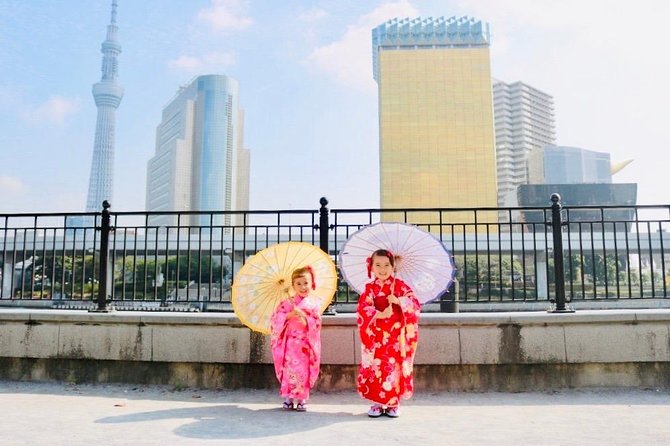
After the rickshaw drops you near Kaminarimon and Sensoji Temple, the rest of the afternoon is yours. You can take pictures in your kimono, stop for food, and walk around the Asakusa neighborhood until the return time at 6pm.
Kaminarimon is the large entrance gate associated with Sensoji, and it makes a natural photo stop. Sensoji is one of Asakusa’s defining sights, so wearing traditional clothing here gives the visit a strong sense of place rather than placing the outfit in a modern shopping district.
The open-ended afternoon is one of the better features of the arrangement. You are not hurried from one attraction to the next, and you can choose how much time to spend posing, eating, or visiting the temple grounds. The tradeoff is that the package does not provide a detailed walking route or a private guide for the rest of the day.
Walking in a kimono takes a little adjustment. The outfit limits your stride, and sandals may feel different from the shoes you wore into the shop. Plan a comfortable pace, especially if you want to remain dressed until 6pm. The drawstring bag is useful for small items, but it is not a substitute for a larger day bag.
Photos are a major part of the appeal
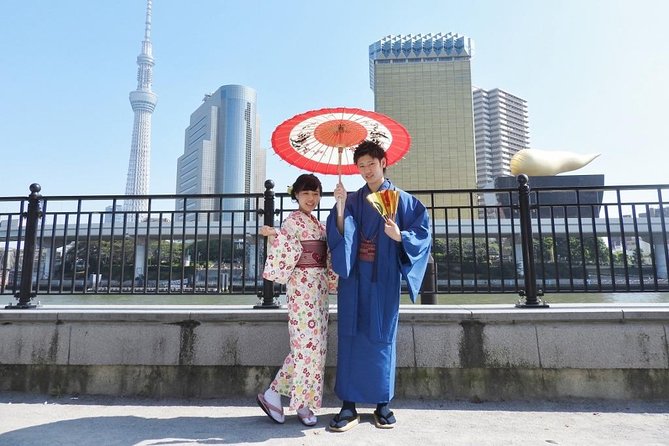
The activity includes a commemorative photo before the rickshaw ride, and customers have also had staff and drivers take pictures during the outing. Photography equipment is not included, so bring your own phone or camera.
This is a good arrangement for couples, families, and friends who want a record of the day without hiring a separate photographer. The strongest photo help appears to come from the rickshaw driver, with Kai receiving particular praise for both pictures and personality.
Do not expect professional photography equipment or a formal photo package. The included service is casual picture-taking, not a studio session. If the photos matter greatly to you, bring a charged phone, clear storage space, and someone comfortable handling it.
Families can also use the experience well. Staff have worked with a five-year-old child, and the small group cap can make the process more manageable than a large dressing hall. Children may need extra patience, since a kimono is more restrictive than everyday clothing.
How the $52.17 price works
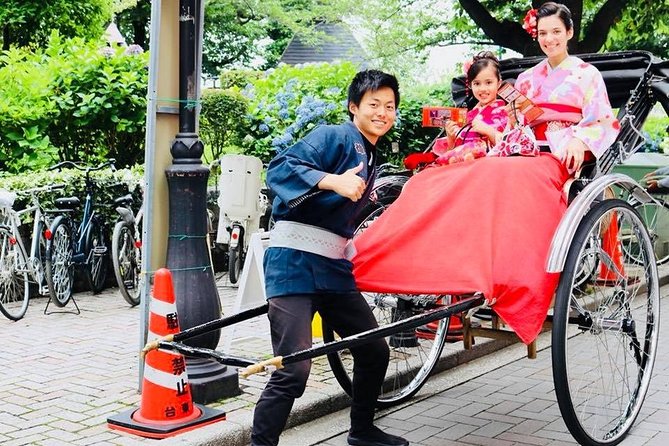
The listed price is $52.17 per person. For that amount, you receive the kimono or seasonal yukata, hair styling, accessories, sandals or summer clogs, a drawstring bag, the short rickshaw ride, and time to explore afterward.
That is a fair price if you want several traditional elements in one booking. Hiring clothing, arranging hair, and finding a rickshaw separately would take more planning. The small group limit also helps the outing feel personal.
The value is weaker if you mainly want an extended rickshaw tour. The included ride is only about 12 minutes, and the rest of the time is self-guided. You are paying primarily for the dressing experience and the chance to walk around Asakusa in traditional clothing.
Budget for possible extras. Larger sizes may cost 1,000 to 2,000 yen, with some customers charged 2,200 yen. Private transportation, photography equipment, rain protection, and cold-weather protection are not included. If you need an optional longer ride, ask for the current price rather than assuming it is covered.
Timing, group size, and practical planning
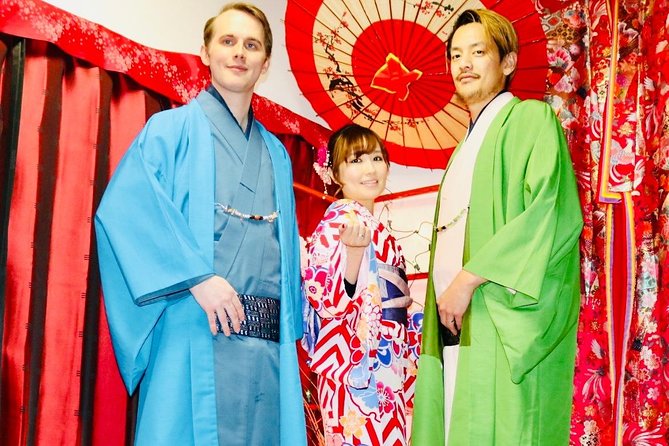
The activity operates daily from 11am to 2pm for the listed 2025 and 2026 booking periods. The wording indicates a starting window, while the afternoon outing continues until the return time of 6pm. Confirm your precise start time when booking.
The full experience takes about six hours. Dressing uses around 30 minutes, the rickshaw ride takes around 12 minutes, and the remaining time is available for Asakusa on your own.
The maximum group size is five people. That suits a family or small party, but it does not mean you receive a private vehicle for every person. Ask the operator how your party will be arranged if you book as a larger group.
Mobile ticketing keeps the arrival simple. Confirmation normally arrives at booking, but reservations made within two hours of departure are confirmed as soon as possible, subject to availability. Cancellation is free up to 24 hours before the start time, while cancellations or changes inside that window are not accepted for a refund.
Who should book this Asakusa outing?
I would choose this for a first visit to Tokyo when you want a traditional activity that also leaves room for independent sightseeing. It works especially well for couples, families, and friends who care about photos and want to visit Sensoji in a memorable outfit.
It is also a good fit if you prefer an easy package. The shop handles clothing, hair, accessories, footwear, and the rickshaw pickup, so you do not need to coordinate several separate reservations.
I would hesitate if you need a larger size and dislike surprise charges, want detailed English instruction during dressing, or expect a long guided rickshaw tour. In those cases, confirm the fee, language support, and ride length before paying.
Should you book it?
Book it if the idea of walking through Asakusa in a kimono appeals to you more than simply riding in a rickshaw. The short ride is fun, but the lasting part of the day is the outfit, the photos, and the freedom to visit Kaminarimon and Sensoji at your own pace.
At $52.17, it offers a lot for a compact cultural outing. Just verify sizing, arrive ready to remove your shoes, bring your own camera, and remember that the rickshaw portion is brief. With those expectations, this is a practical way to add traditional style to a Tokyo day.
FAQ
Where does the experience start?
It starts at Asakusa Kimono Rental HANAKA, 2-3-7 Kaminarimon, Taito City, Tokyo 111-0034, on the fourth floor of the Duell Asakusa IV building.
Where does the experience end?
The activity ends back at the HANAKA meeting point.
How long does the activity take?
The experience lasts approximately six hours. Dressing takes about 30 minutes, the rickshaw ride takes about 12 minutes, and you can explore Asakusa until the return time of 6pm.
What is included in the price?
The package includes the kimono or seasonal yukata, hair styling, hair accessories, sandals or summer clogs, a drawstring bag, and the rickshaw ride.
Do I need to bring a kimono or accessories?
No. This is a complete rental, so the kimono, hair accessories, footwear, and drawstring bag are provided.
Are larger kimono sizes included?
Not always. The listed information says larger sizes may cost an additional 1,000 to 2,000 yen, paid directly on the day. Some customers have reported a 2,200-yen charge, so confirm the amount in advance.
Is the rickshaw ride long?
The included ride takes approximately 12 minutes. You can discuss the drop-off location with the driver. A longer ride may be available for an additional fee.
What happens from June through September?
A yukata is used from June through September, and summer clogs replace the regular sandals.
What is the cancellation policy?
You can cancel at least 24 hours before the start time for a full refund. Cancellations or changes made less than 24 hours before the start time are not accepted for a refund.
Just added around Japan
- Sushi Making Tokyo with Traditional Rickshaw Ride Tour in Asakusa★ 5.0 · 12 reviews
- Otaru Rickshaw Tour★ 5.0 · 76 reviews
- Hot Spring Capital of Yufuin Rickshaw Tour★ 5.0 · 32 reviews
- Exiting Rickshaw ride and Kimono experience★ 5.0 · 4 reviews
- Kyoto Sagano Insider: Rickshaw and Walking Tour★ 5.0 · 15 reviews
- Private 3-hour Kyoto Arashiyama Rickshaw Tour★ 5.0 · 5 reviews
- Kurashiki Rickshaw Tour★ 5.0 · 39 reviews
- Kamakura Rickshaw Tour★ 5.0 · 53 reviews
Rickshaw Tours, compared.

Old Delhi Food, Heritage&Cultural Walk with Rickshaw ride to Masterji Kee Haveli
Read our review →
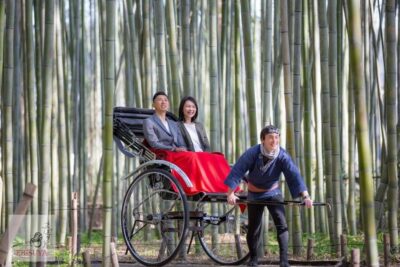
Arashiyama Customized Rickshaw Tour & Bamboo Forest
Read our review →
Split by Private Electric Rickshaw – Palace & Hidden Gems
Read our review →
Where else this ride shows up