
REVIEW · TEMPLE TUK TUK TOURS
Morning Tuk tuk: City, Handicrafts, Killing field, Temples
Battambang’s best stories are found where people work. This five-hour tuk-tuk trip moves from town streets to small family workshops, where you can watch rice become noodles, paper, wine, and a sweet snack. It then turns serious at Wat Samrong Knong, before ending at temples and a 25-meter Buddha outside town.
I like the close look at everyday food production, especially the fresh spring rolls and noodles. I also like the guides named in the booking records, including Samol and David, who explain local life, Buddhism, farming, and Cambodia’s difficult past in clear English. The main drawback is the packed morning schedule, with an early 7:20 pickup, outdoor heat, and a somber killing field that may not suit everyone.
Key points
- Rice becomes the star: See Khmer rice noodles, bamboo sticky rice, rice paper, and rice wine made by local families.
- A serious stop at Wat Samrong Knong: Visit a Buddhist site with an 1887 stupa, a torture house, and a killing field.
- Countryside views: Ride through villages and paddy fields rather than staying only in central Battambang.
- Two layers of temple history: See a modern Buddhist temple and the ruins of an 11th-century Hindu temple at Ek Phnom.
- Good value at $20: Hotel transport, guide, tastings, admissions, water, wet wipes, snacks, and donations are included.
- English guidance matters: Samol is praised for lively explanations, safe driving, humor, and taking photos to share afterward.
Why this Battambang tuk-tuk tour works
Many city tours show you buildings, take a few photos, and move on. This one gives you something more useful: a look at how people around Battambang earn a living.
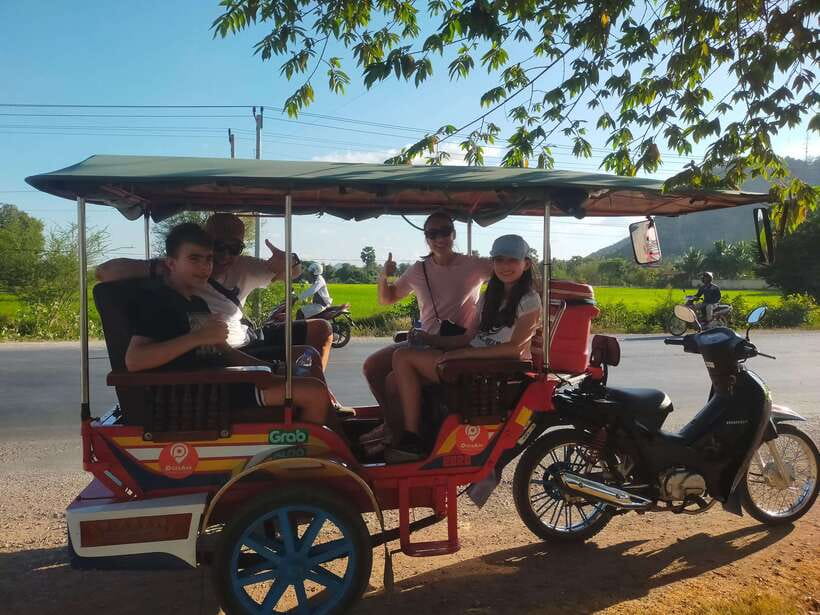
The morning begins at 7:20 AM with pickup from your hotel or a restaurant. Pickup and drop-off are available within 5 kilometers of Battambang town, so check your location before booking. The tuk-tuk is a practical choice here. You get open-air views of village roads, rice fields, and roadside life, while moving easily between stops.
The tour lasts about five hours and returns you to the city for lunch or your hotel. That timing is helpful if you want to spend the afternoon on your own, perhaps visiting more of Battambang or taking a break from the heat.
Your guide is an important part of the experience. English-speaking guides such as Samol and David explain Cambodian customs, agriculture, religion, folk tales, and the past of Battambang as you go. Samol is also noted for a relaxed sense of humor, careful driving, clear explanations, and taking photographs for guests to receive through WhatsApp.
More Temple Tuk Tuk Tours in Cambodia
- Battambang family tuktuk tour BambooTrain/Wat Banan/Bat cave
★ 4.8 · 18 reviews - Siem Reap: Angkor Wat Private Tuk-Tuk Tour
★ 4.9 · 2,222 reviews - Angkor Wat Private Tuk-Tuk Tour (sunrise Option) & more
★ 5.0 · 439 reviews
Battambang town, Ta Dambong Kranhoung, and the morning start
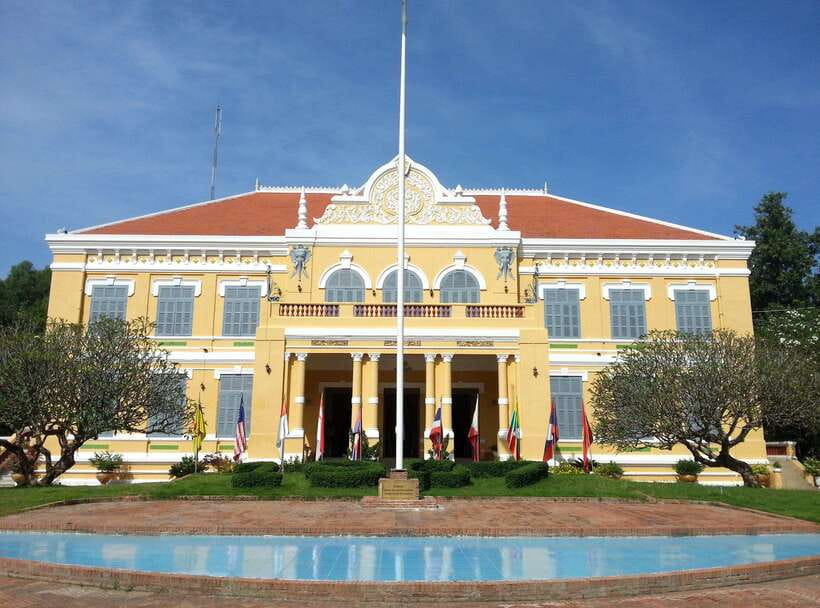
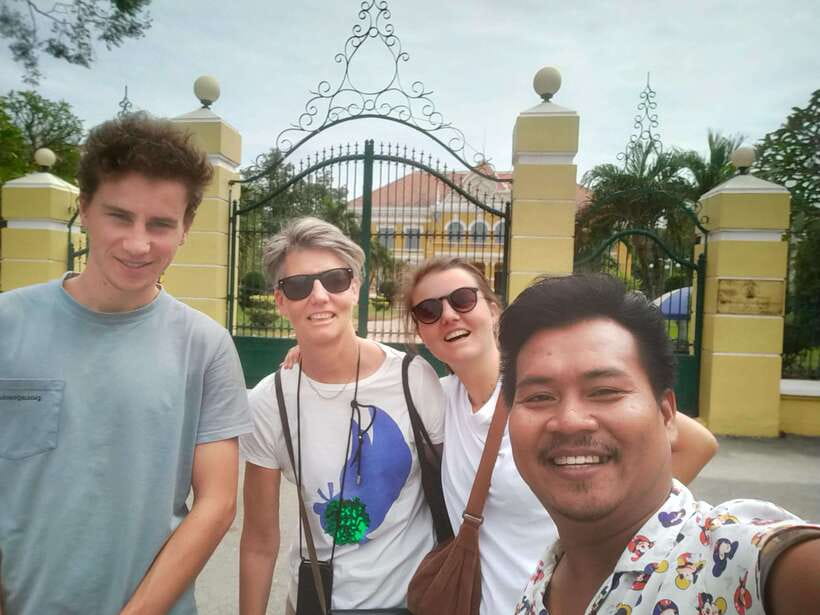
The first section introduces Battambang through its civic and historic center. You see older buildings, the central market, the provincial hall, and the statue of Ta Dambong Kranhoung, the symbol of Battambang.
This is not a long architectural walk. It is more of a quick orientation, with the guide filling in the local meaning behind the sights. That makes it useful at the start of a stay because you begin to understand how the city fits into the wider province.
The market and public buildings also provide a contrast with the rural stops later in the morning. Battambang is not presented as only a quiet provincial town or only a tourist stop. You get a brief look at its civic center before heading toward the small producers outside town.
The early start is worth noting. A 7:20 pickup gives you a full morning, but it may feel rushed if you have had a late arrival or a long night. Bring a hat and wear comfortable clothing that works for both temple visits and open-air tuk-tuk travel.
Khmer rice noodles made by hand
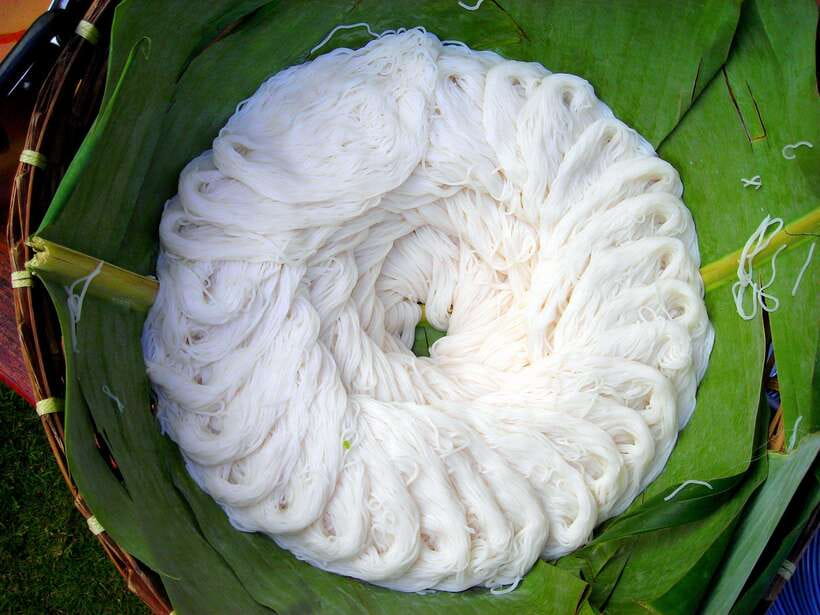
The first food stop shows how locals make Khmer rice noodles. These noodles are commonly eaten for breakfast, lunch, and dinner, so the visit gives you a practical connection to Cambodian daily food rather than a staged cooking demonstration with an unusual dish.
You can watch the process and taste some of the noodles. The tasting matters because you are trying the product close to where it is made, while the guide explains why rice is such an important part of Cambodian cooking and farm life.
This stop is especially good for anyone who enjoys food production. You are not simply told that rice is important. You see several ways it becomes part of the local economy and the local table.
The workshop visits are also a useful chance to meet the people doing the work. The families visited on this tour are presented as small producers, not as a large commercial factory. That keeps the experience grounded in ordinary rural life, although the exact amount of time spent at each stop can vary.
Bamboo sticky rice, a sweet roadside tradition
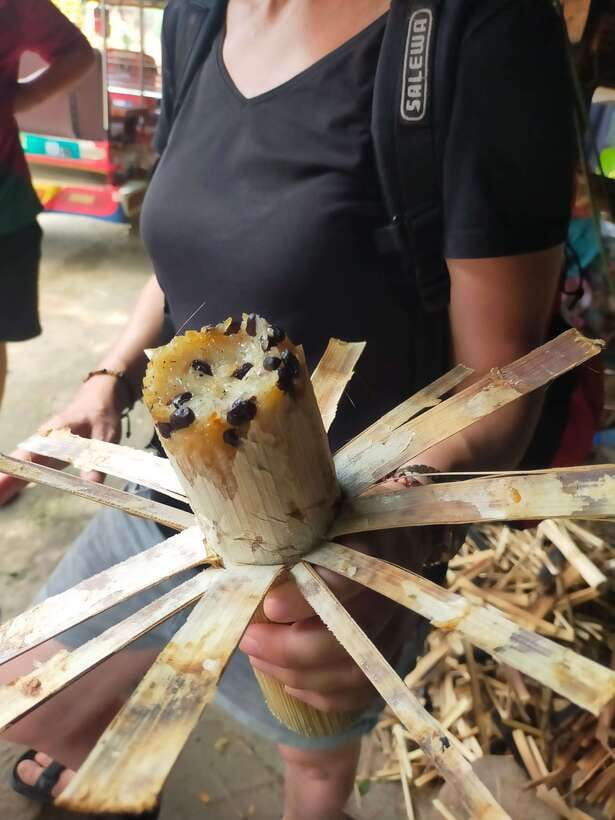
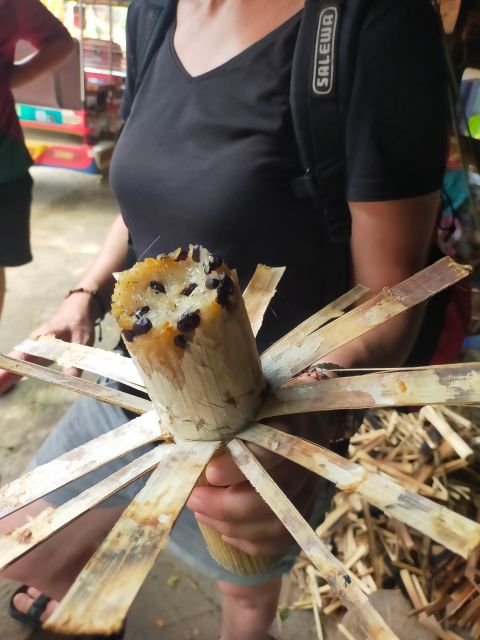
Next comes bamboo sticky rice, a dessert or sweet snack cooked inside bamboo. It is popular with both local people and visitors, and you can watch the preparation before tasting it.
This is one of the more distinctive stops because the bamboo is part of the food’s identity. The finished snack is portable and practical, but the preparation also shows how local cooks use simple materials in a clever way.
I would treat this as a tasting and demonstration rather than a full cooking class. You are there to see the method, hear the explanation, and try the result. If you like sweets, this may become one of the morning’s most memorable samples.
The food stops are not just filler between temples. Together, they show how rice supports several small businesses. That makes the tour a good choice if you want a closer look at work in the countryside, not only monuments.
More Temple Tuk Tuk Tours in Battambang:
- Bangkok by Night: Temples, Markets and Food Tuk-Tuk Tour
★ 5.0 · 3,752 reviews - Bangkok: Markets, Temples and Food Night Tour by Tuk Tuk
★ 4.9 · 2,371 reviews - Bangkok: Tuk Tuk Adventure Chinatown Michelin Food & Temples
★ 4.3 · 725 reviews - Bangkok: Evening Tour with Wat Arun, Wat Pho & Tuk Tuk Ride
★ 4.6 · 701 reviews
Wat Samrong Knong and Battambang’s darkest history
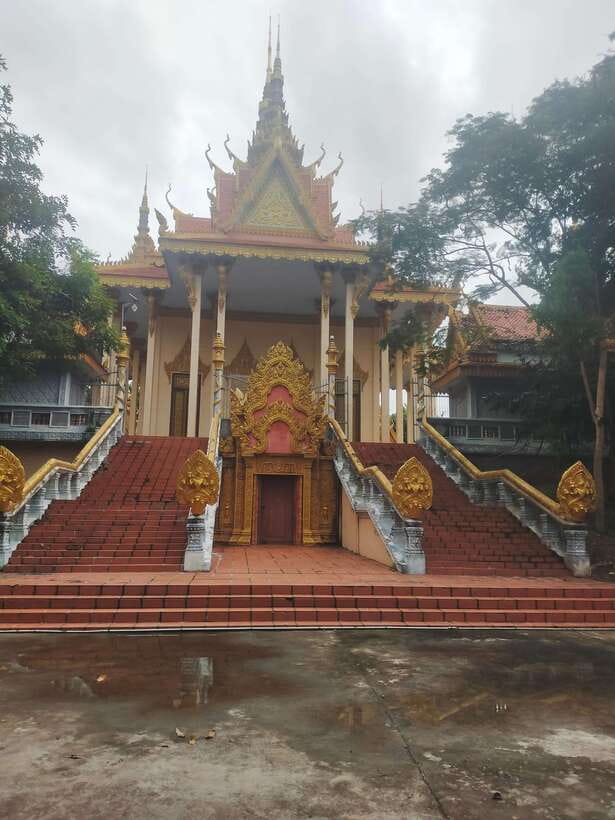
Wat Samrong Knong is the emotional center of the morning. The Buddhist temple is said to date to 1707, and the site includes a brick stupa built in 1887.
The visit also deals with the Khmer Rouge period. The pagoda was used to house Khmer Rouge soldiers and as a detention area for victims. You see a torture house and a killing field where approximately 10,008 people were killed.
This is not a light sightseeing stop. Give yourself room to listen and think. The setting may appear peaceful, but the explanation connects the place to a painful chapter in Cambodia’s recent past. A guide who can explain the history in clear, respectful English adds real value here.
For some people, this will be the most important part of the tour. For others, it may feel difficult after a series of food tastings. That contrast is part of the experience, but it is also why you should consider your own comfort with memorial sites before booking.
Dress respectfully for the temple. Sleeveless shirts are not allowed, and the tour is not suitable for people with high blood pressure or those over 70 years old, according to the activity information. Those restrictions should be taken seriously, particularly because the morning includes heat, walking, and a tuk-tuk ride on rural roads.
Rice paper and the craft behind spring rolls
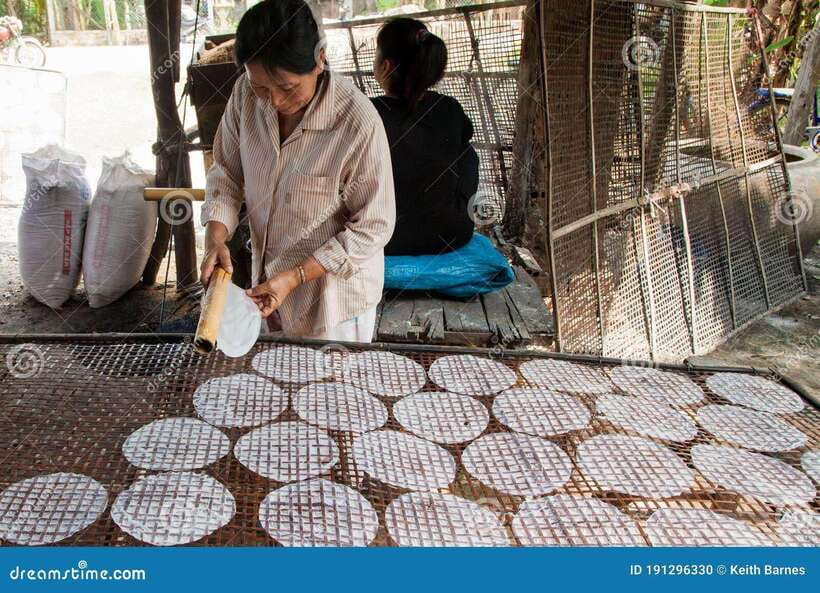
The next stop returns to food production, this time with rice paper. You see how villagers produce the thin sheets used to make spring rolls.
The scale is striking. A family can make at least 1,500 sheets per day. That figure helps you understand the work involved, especially when you see that this is still a livelihood rather than a museum display.
You may also get to taste fresh food made with the rice paper. One memorable detail from the tour experience is the strong impression left by the spring rolls, described as exceptionally fresh and delicious. The tasting gives the process a clear purpose: you see the sheets being made, then understand how they are used at the table.
This stop suits curious eaters and anyone interested in small-scale production. It also gives you a better appreciation for the labor behind a familiar dish. Rice paper looks simple when served on a plate. Watching it being made shows that it is anything but effortless.
Rice wine, old methods, and unusual infusions
The rice wine stop takes you to a production plant that has been in use since the 1980s. Your guide explains how the wine is made and offers a sample.
You also hear about traditional uses for rice wine. It has been used as medication and to soak plants, fruit, and even poisonous animals such as cobras and tarantulas. The unusual examples make this stop memorable, though anyone who does not drink can simply treat the tasting as optional.
This is another example of the tour linking food to local practice. Rice wine is not presented only as a drink. It has a place in household remedies and in the way people preserve or prepare other ingredients.
Take care with the sample if you are sensitive to alcohol. The information provided does not specify the strength of the wine or how much is served, so you can ask your guide before tasting.
Ek Phnom’s giant Buddha and ancient temple ruins
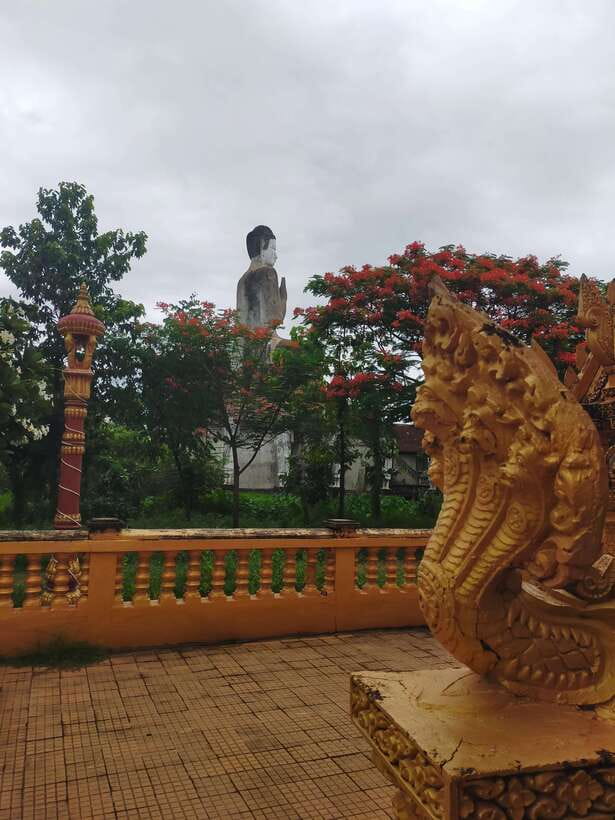
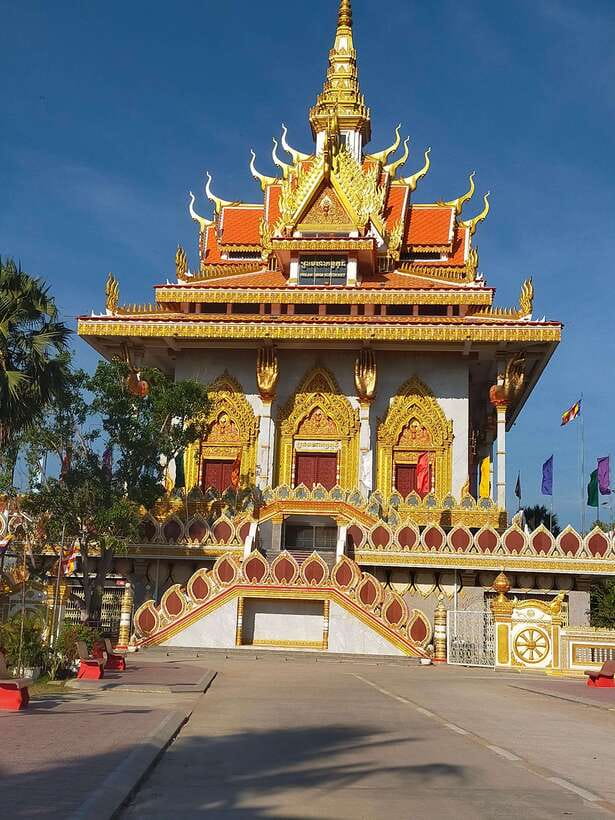
The final major stop is Ek Phnom, where a 25-meter-high Buddha is surrounded by standing Buddha statues. The scale is impressive, and the open setting gives you a strong photo opportunity.
You then visit a Buddhist temple built in 1991. Inside, the walls show scenes from the life of Buddha. This newer religious setting contrasts with the older architecture seen elsewhere during the morning.
Nearby are the ruins of an 11th-century Hindu temple built during the rule of King Suryavarman I. The remains connect Battambang to the Angkorian era and show how religious traditions and rulers changed over time.
The visit works best if you pay attention to the contrast between the modern Buddhist compound and the ancient Hindu ruins. One is an active religious place with a large contemporary image. The other is an archaeological remnant from a much earlier period.
You should expect walking at the temple sites. Comfortable shoes are sensible, and modest clothing is required. The tour information specifically prohibits sleeveless shirts, so pack a light shirt with sleeves if you are wearing a tank top.
What the $20 price includes
At $20 per person, this is a strong-value half-day outing if you want both transport and guided context. The price includes hotel pickup and drop-off, an English-speaking guide, cold bottled water, wet wipes, snacks, tastings, all admissions, and donations.
The admissions and donations are useful inclusions because they reduce the need to carry small amounts of cash at every stop. The food samples also add value, since you are tasting noodles, bamboo sticky rice, rice paper products, and rice wine rather than paying separately for each small experience.
The most important part of the price is the transport and guiding. Battambang’s food-making communities and temple sites are spread beyond the center. A tuk-tuk and local guide make it easier to connect them in one morning than to arrange each stop yourself.
Personal expenses are not included. That means you should keep money for anything you choose to buy, including food, drinks, or products from the families you visit. The tour returns to Battambang for lunch, but lunch itself is not included.
Free cancellation is available up to 24 hours before the activity for a full refund. You can also reserve now and pay later, which helps if your Cambodian route is still changing.
Who should book this experience?
I would recommend this tour to you if you want a compact introduction to Battambang that goes beyond central streets. It suits first-time visitors, food-minded people, photographers, and anyone curious about rural work and religious sites.
It is also a good fit if you want a local guide to explain difficult history rather than simply point at buildings. The mix of food workshops and memorial sites gives the morning more range than a temple-only trip.
You may want to skip it if you dislike early starts, open-air transport, food tastings, or visits connected to the Khmer Rouge period. The schedule is full, and the emotional shift from sweets and rice wine to a killing field is real.
The age and health limits also matter. The activity is not suitable for people with high blood pressure or those over 70 years old. Baby strollers are not allowed, and pickup or drop-off must be within 5 kilometers of Battambang town.
Should you book the Battambang morning tuk-tuk tour?
Book it if you want to understand Battambang through its people, food, and countryside, not just its monuments. The strongest parts are the small family workshops, the fresh tastings, the guide’s local explanations, and the contrast between ancient temples and Cambodia’s recent past.
At $20, the combination of transport, admissions, tastings, water, and an English-speaking guide is hard to fault. Just plan for the 7:20 AM start, dress for temple visits, and be ready for a serious stop at Wat Samrong Knong. If that balance sounds right for you, this is one of the more useful ways to spend a morning in Battambang.
FAQ
How long does the Battambang tuk-tuk tour last?
The tour lasts five hours and returns you to Battambang for lunch or to your hotel.
What time does pickup begin?
Pickup begins at 7:20 AM from your accommodation or a restaurant.
Where does pickup and drop-off take place?
Pickup and drop-off are available up to 5 kilometers from Battambang town.
Is an English-speaking guide included?
Yes. The tour includes a live English-speaking guide.
What food products will I see being made?
You will see Khmer rice noodles, bamboo sticky rice, rice paper, and rice wine being produced.
Are tastings included?
Yes. Snacks and tastings are included, including samples connected with the food production stops.
Which temples are included?
The tour includes Wat Samrong Knong and the Ek Phnom temple area, including its Buddhist temple, giant Buddha, and 11th-century Hindu temple ruins.
Does the tour visit a killing field?
Yes. At Wat Samrong Knong, you see a torture house and a killing field connected with the Khmer Rouge period.
Is admission included in the price?
Yes. All admissions and donations are included. Personal expenses are not included.
Can I cancel the tour for a full refund?
Yes. You can cancel up to 24 hours in advance for a full refund.
Just added around Battambang
- Private Half-Day Tuk Tuk Tour in Battambang★ 5.0 · 2 reviews
- half day morning tour by Tuk-Tuk★ 5.0 · 20 reviews
- Morning Tuk Tuk Food Tour: Taste Iconic Dishes of Battambang★ 5.0 · 2 reviews
- Tuk Tuk Tour (Full-Day)★ 5.0 · 7 reviews
- Private Full Day Tuk Tuk Tour in Battambang★ 5.0 · 12 reviews
- Full-Day Battambang with a local Tuk Tuk Tours★ 5.0 · 2 reviews
- Full/Half Day Tuk TuK: Handicrafts Bambootrain Killing&Bat Caves★ 5.0 · 14 reviews
- Battambang: Morning Tuk Tuk Food Tour of Our Iconic Dishes★ 5.0 · 2 reviews
Temple Tuk Tuk Tours, compared.
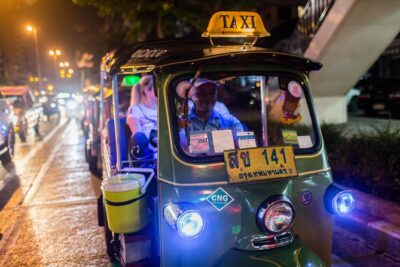
Bangkok by Night: Temples, Markets and Food Tuk-Tuk Tour
Read our review →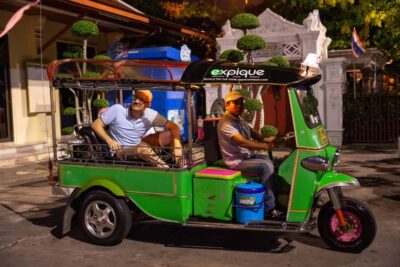
Markets, Temples and Food Night Tour by Tuk Tuk
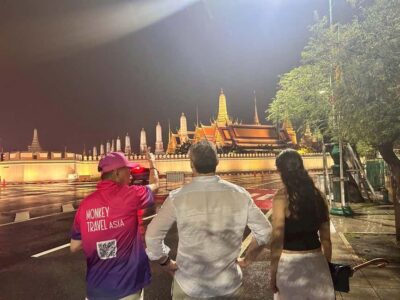
Read our review →
Tuk Tuk Adventure Chinatown Michelin Food & Temples
Read our review →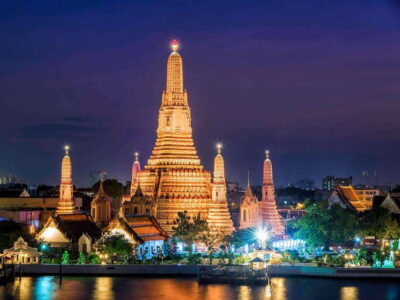
Evening Tour with Wat Arun, Wat Pho & Tuk Tuk Ride
Read our review →
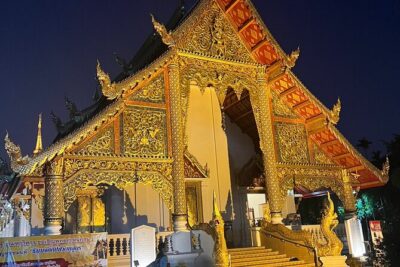
Chiang Mai Temples and Market Tuk-Tuk Evening Night Tour
Read our review →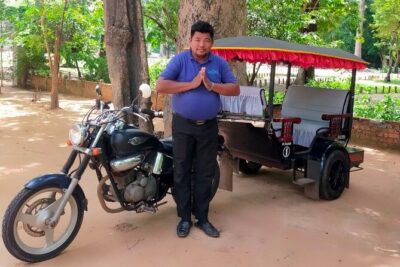
Angkor Wat Private Tour by Tuk-Tuk with English Speaking Driver
Read our review →Where else this ride shows up