
REVIEW · RICKSHAW TOURS
Daily First Rickshaw promotion in Combi Vehicle public Group 90€
Berlin’s major sights are spread across a wide part of the city, and this private rickshaw tour links them without asking you to march from monument to monument. You sit under cover while your guide pedals between Alexanderplatz, Museum Island, Checkpoint Charlie, Potsdamer Platz, and Brandenburg Gate.
I like the personal scale, with room for up to two people, and the chance to stop for photos whenever you wish. I also like the relaxed pace: the rickshaw can pull close to sights, and blankets help on cool or rainy days. The main drawback is price. At the advertised $216.74 per group, this is not a budget sightseeing ride, though a promotion is also listed at 90 euros, so confirm the exact rate before booking.
Key points to know before you book
- A four-hour route covers Berlin’s central story: Expect Alexanderplatz, Museum Island, Bebelplatz, Gendarmenmarkt, Checkpoint Charlie, the Topography of Terror, Potsdamer Platz, the Holocaust Memorial, and Brandenburg Gate.
- Levi is one named guide: He is described as friendly, safe, flexible, and good at adjusting the ride to your interests.
- The rickshaw is best for two people: The listed activity has a maximum of two, with extra rickshaws available for larger groups.
- A 9 a.m. start is a smart choice: Earlier sightseeing can mean quieter monuments and less pressure at the busiest stops.
- Comfort is part of the value: WiFi, bottled water, alcoholic beverages, a roof, and blankets are included.
- You see the sights from outside: Admission is not included, and the tour is focused on orientation, commentary, and photo stops rather than museum visits.
Why a rickshaw works well in central Berlin
Berlin is easy to explore by public transport, but its best-known sights are not all clustered together. Alexanderplatz, Museum Island, the former Wall zone, Potsdamer Platz, and the government district each tell a different part of the city’s story. Walking between them takes time, while the train often leaves you with extra transfers and less direct contact with the streets.
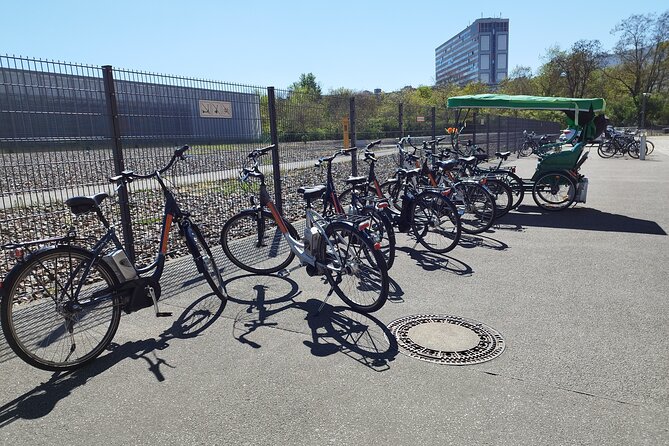
The rickshaw fills that gap. You can sit back while your guide handles the traffic and route. The open sides give you a better view than a standard car, and you can stop close to monuments for photographs. This is especially useful if you want a broad first look at Berlin before choosing which museums or memorials deserve more time later.
The private format matters. You are not trying to keep pace with a large group, and the guide can adapt the route to your interests. If you want more time at a memorial or a quick snack stop, you can ask. The listed information also describes this as a good option for people with limited mobility, since the rickshaw can bring you close to many sights and requires only a few steps to enter.
Still, this is not a silent or fully enclosed vehicle. You will be close to traffic, and weather can affect the ride. A roof and blanket help in rain and cold, but you should dress for the conditions.
More Rickshaw Tours in Germany
- Berlin: Private Guided E-Rickshaw Tour
★ 4.9 · 157 reviews - Individual City Tour – Rickshaw Sightseeing in Berlin
★ 5.0 · 120 reviews - Berlin Express: Private 1-Hour E-Rickshaw Ride
★ 5.0 · 116 reviews
From Weinbergsweg to Alexanderplatz
The meeting point is Weinbergsweg 6, 10119 Berlin, and the ride returns there at the end. It is near public transport, which makes the start practical if you are staying elsewhere in the city.
The first major stop is the Fernsehturm, Berlin’s 365-meter television tower on Alexanderplatz. The tower is easy to spot and gives you an immediate sense of the city’s size and changing skyline. The tour does not include admission to the tower, so this is an outside orientation stop rather than a visit to the viewing platform.
From Alexanderplatz, the route passes the Red Town Hall, Marien Church, and Neptune Fountain before reaching Museum Island. This opening section moves quickly, but it gives you useful bearings. You begin in the former East Berlin and head toward one of the city’s strongest concentrations of historic buildings.
Museum Island in a short, useful stop
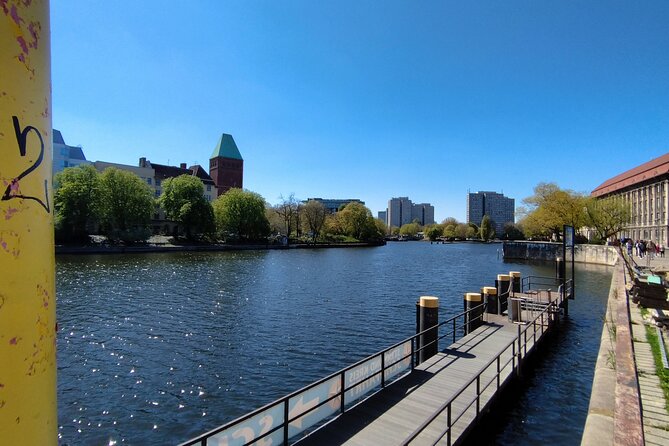
Museum Island is a UNESCO World Heritage site and one of Berlin’s most important cultural areas. The route includes views of Berlin Cathedral, the City Palace, the Altes Museum, the Bode Museum, and the Neues Museum.
You get about 15 minutes here, which is enough for photographs and a guide’s explanation, not enough for a museum visit. Admission is listed as free for the stop, but that should not be confused with free entry to the museums themselves. If you want to see the Pergamon Museum collection or the Egyptian displays in the Neues Museum, plan a separate visit and allow several hours.
This is one of the tour’s most useful sections because the buildings can otherwise blur together when you first arrive. Your guide can help you separate the cathedral, palace reconstruction, and individual museums, giving you a clearer plan for a later walk.
Bebelplatz and the warning beneath the square
Bebelplatz is a handsome square surrounded by major buildings connected with Berlin’s intellectual and political life. The route takes in the State Opera, Humboldt University, the State Library, the law faculty, and St. Hedwig’s Cathedral.
The square also carries a painful memory. On May 10, 1933, Nazi-organized book burning took place here. A memorial beneath the pavement, visible through glass, recalls the destruction of books labeled un-German. This is a place where a brief explanation can add much more than a photograph alone.
The scheduled stop is about 10 minutes. That is enough for a clear introduction, but you may want to return on foot later if you prefer to read the memorial details slowly. The tour gives you the setting and the essential context, while a separate visit allows more quiet reflection.
More Rickshaw Tours in Berlin:
- Rickshaw Tours Berlin – Groups of up to 16 people with several rickshaws
★ 4.0 · 97 reviews - Rickshaw Sightseeing City Tours Berlin – Rikscha Tours
★ 4.0 · 55 reviews - Berlin: Private Sightseeing Tour in an E-Rickshaw
★ 4.9 · 44 reviews - One Up to 3 Rickshaws(6 GUESTS)-Taylor Made Rickshaw Berlin Tour
★ 5.0 · 20 reviews
Gendarmenmarkt and Berlin’s grand civic center
Gendarmenmarkt is among Berlin’s most impressive squares. The former Royal Concert Hall occupies the center, with the German Cathedral and French Cathedral facing it from opposite sides.
The scale is striking from a rickshaw because you can take in the whole arrangement without weaving through a tour group. Statues and formal building fronts give the square a strong sense of order, though restoration work or changing access can affect what you see on the day.
The stop lasts around 10 minutes and is free. I would treat it as a photo and orientation stop rather than a full architectural visit. If formal European squares appeal to you, mark it for a longer return walk.
Checkpoint Charlie and the former Wall zone
Checkpoint Charlie is one of Berlin’s best-known Cold War locations. It marks a former crossing point between East and West Berlin and recalls the 28 years when the Berlin Wall split the city.
The checkpoint itself can feel more like a busy photo location than a preserved border post. That is an important expectation to set. The power of the stop comes from the explanation of what stood here and from the surrounding traces of the former border strip, not from a large surviving section of Wall at the checkpoint.
You get about five minutes, with no admission fee. The short stop works because the rickshaw lets you connect Checkpoint Charlie with other Cold War locations quickly. If this period interests you, you will want extra time at a dedicated Wall museum or documentation center later.
The Topography of Terror gives the route weight
The Topography of Terror documentation center occupies the former site of Nazi institutions and examines the crimes of the Nazi period. It is one of the most serious stops on the route, and the subject deserves more attention than a quick photograph.
The tour allows about 10 minutes. That is enough to identify the site and understand why it matters, but not enough to read the displays in full. I recommend returning separately if you want the full exhibition. Its importance lies in the direct connection between the location and the institutions that planned and carried out persecution.
Next door is Martin-Gropius-Bau, an exhibition center in a striking prewar building. Its program has included major exhibitions connected with artists such as Ai Weiwei and David Bowie. The tour also points out the Prussian Landtag, a late 19th-century political building with an important place in Berlin’s civic past.
This part of the route is a good example of the tour’s strength. You are not only seeing postcard sights. You are moving through places tied to Nazi rule, Prussian government, modern art, and the city’s changing political life.
Potsdamer Platz shows the rebuilt city
Potsdamer Platz offers a sharp change of mood. After World War II and the Berlin Wall years, the area became associated with division and neglect. After German reunification, it turned into one of Europe’s largest building projects.
Today, the Sony Center and surrounding high-rise buildings represent the modern side of Berlin. The architecture is polished and commercial, with a very different feel from Museum Island or Bebelplatz. That contrast is exactly why the stop is useful. In a few minutes, you see how the reunited city tried to create a new center from a damaged and divided site.
The stop takes about 10 minutes and is free. You will get the broad picture, but not a detailed architectural tour. The rickshaw is a good way to compare the old and new parts of Berlin without spending half a day walking between them.
The Holocaust Memorial requires quiet attention
The Memorial to the Murdered Jews of Europe consists of concrete blocks arranged across a large open area near Brandenburg Gate. It commemorates the six million Jews murdered under National Socialism.
The formal stop lasts about 10 minutes. That gives you time to enter the field of blocks, take in the changing height of the paths, and listen to an explanation. The memorial is not a conventional statue with a single viewpoint. Its effect changes as you walk among the blocks, so you may wish to return later for a slower visit.
The memorial is near the former border strip, and its location connects Berlin’s present center with the city’s difficult past. The tour also takes you near the Memorial to the Murdered Sinti and Roma, which broadens the historical picture beyond a single site.
Brandenburg Gate and the government district
Brandenburg Gate is the final major landmark on the listed route. Its columns and chariot have become the city’s most recognizable symbol, but the gate means more than imperial architecture. It once stood near the division between East and West Berlin and later became a symbol of reunification.
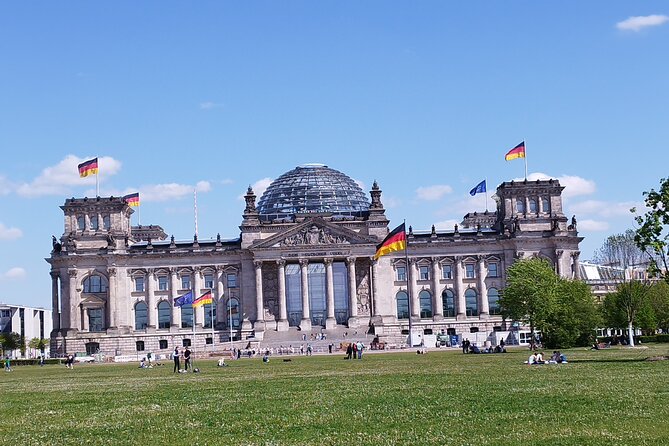
From here, the route continues toward the government district, including the Reichstag and Bundestag and the Chancellery. These buildings show Berlin as the seat of modern German government. The tour also moves from the former eastern side of the city toward the government quarter, helping you connect the old division with the present political center.
The stop is around 10 minutes. You will see the buildings from outside, and admission to the Reichstag is not part of the experience. If you want to visit the Reichstag dome, that requires separate arrangements.
Timing, comfort, and the real value of the price
The advertised price is $216.74 per group of up to two people, while the promotion title refers to a 90-euro daily first-rickshaw rate. Because those figures differ, check the price shown for your date and group before paying. The activity is also described as a public group in one place and private for a maximum of two in another, so confirm the exact format as well.
At the $216.74 rate, the cost is easier to justify for a couple who wants a private guide and a broad city introduction in four hours. Split between two people, it buys direct transport between major sights, flexible photo stops, commentary, and the comfort of not walking the whole route. It is less attractive if you mainly want transportation or prefer to enter museums.
The tour includes WiFi, bottled water, alcoholic beverages, and a rickshaw with an experienced guide. The roof and blanket are useful details, especially since a rainy day need not end the ride. One guide, Levi, is specifically named, and his approach includes adapting the route to personal interests and helping with photographs.
A 9 a.m. start is a strong practical choice. The route reaches famous locations before the day is at its busiest, and you still have the afternoon for a museum, meal, or return visit to a memorial. The experience is booked about five days in advance on average, but you should not treat that as a guarantee of availability.
Who should book this Berlin ride?
I would recommend it to a couple visiting Berlin for the first time, especially if you want to understand the city’s layout before exploring on foot. It also suits anyone who finds long walks tiring, since the rickshaw gets close to many sights and allows you to remain seated for most of the route.
It works well for photographers, too. The guide can stop for pictures, and the vehicle offers a low, open view rather than the sealed feeling of a car. A roof and blanket make the ride more forgiving in unsettled weather.
I would hesitate if your priority is museum interiors, long periods of quiet at memorials, or the lowest possible price. You will see many places, but most stops are short. Think of the ride as a guided city framework, not a substitute for visits to Museum Island, the Topography of Terror, or the Reichstag.
Free cancellation is available when you cancel at least 24 hours before the start time. Changes or cancellations inside that window are not accepted for a refund. The activity is offered in English, and most people can participate, but confirm the exact seating arrangement if you have specific mobility needs.
Should you book it?
Book this tour if you value comfort, personal attention, and a quick but thoughtful route through Berlin’s major historic districts. The strongest features are the small scale, flexible stops, named guide Levi’s friendly approach, and the ability to cover a lot without exhausting yourself.
Skip it if you want a bargain, a full museum day, or a slow walking tour. For the right couple, particularly with an early start and a confirmed promotional price, the rickshaw is a practical way to get your bearings and see how Berlin’s divided past and present fit together.
FAQ
How long is the Berlin rickshaw tour?
The tour lasts approximately four hours.
Where does the tour begin?
It begins at Weinbergsweg 6, 10119 Berlin, Germany.
Where does the tour end?
The activity ends back at the meeting point on Weinbergsweg.
How many people can join one rickshaw?
The listed activity has a maximum of two participants. Extra rickshaws can be added for larger groups.
Is the tour private?
The tour is described as a private guided experience for up to two people, although the promotion wording also refers to a public group. Confirm the format when booking.
Is admission to the museums and attractions included?
No. The route includes outside stops and photo opportunities, but museum and tower admission is not included.
What is included in the price?
The price includes the rickshaw, an experienced guide, WiFi on board, bottled water, and alcoholic beverages. Tips are not included.
Is the tour suitable for people with limited mobility?
The activity is described as suitable for less mobile participants because you need only a few steps to enter the rickshaw, and it can stop close to many monuments. Confirm your needs with the provider before booking.
What is the cancellation policy?
You can cancel for a full refund up to 24 hours before the experience begins. Cancellations or changes made less than 24 hours before the start time are not accepted for a refund.
Just added around Berlin
- Rickshaw Tour-Cruise Ship guests arrive 9.30 upto 11.30 am Berlin★ 5.0 · 7 reviews
- Romantic Berlin Rickshaw City and Photo Tour – incl. pick-up★ 4.0 · 9 reviews
- Rickshaw Sightseeing Tours Berlin – Highlights Berlin – Rickshaw city tour★ 3.5 · 3 reviews
- Berlin Rickshaw Tours Historical & Photo City Tour 120min – Sightseeing★ 4.5 · 11 reviews
- Rickshaw Sightseeing City Tours Berlin – Rikscha Tours★ 4.0 · 55 reviews
- Private Up to 12 Guests-ONE RICKSHAW, E-Bikes, E-Scooters★ 5.0 · 2 reviews
- One Up to 3 Rickshaws(6 GUESTS)-Taylor Made Rickshaw Berlin Tour★ 5.0 · 20 reviews
- Private Guide Up to Group 6 – ONE Rickshaw, (E)Bikes, E-Scooters★ 5.0 · 3 reviews
Rickshaw Tours, compared.


Old Delhi Food, Heritage&Cultural Walk with Rickshaw ride to Masterji Kee Haveli
Read our review →
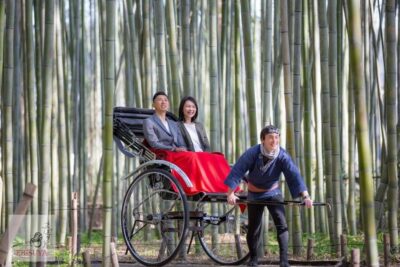
Arashiyama Customized Rickshaw Tour & Bamboo Forest
Read our review →
Split by Private Electric Rickshaw – Palace & Hidden Gems
Read our review →
Where else this ride shows up