
REVIEW · ITALY TUK TUK TOURS
The Life of Saint Francis Tour by Tuk Tuk: English & Spanish
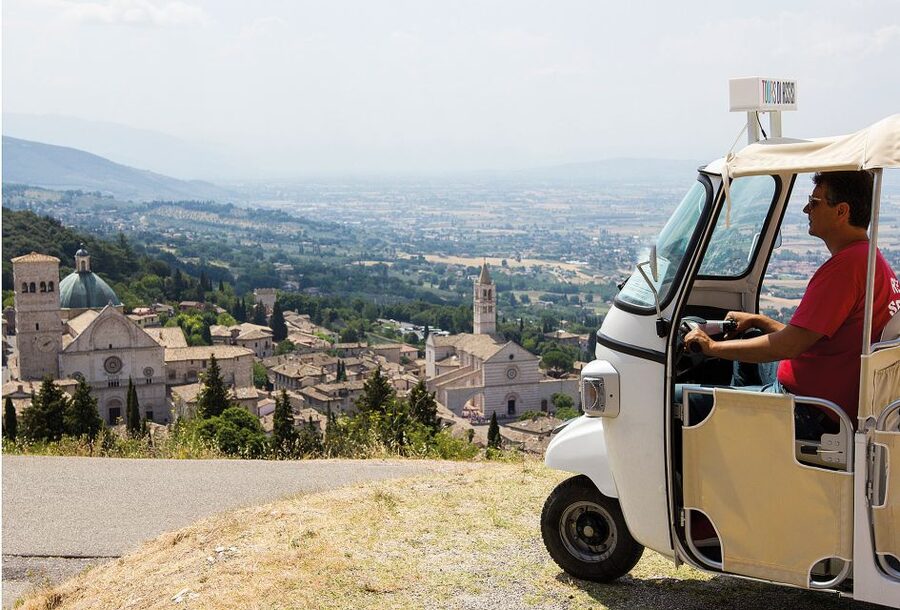
Assisi is built on a hill, and St. Francis’s story is spread across it and the plain below. This private tuk-tuk tour connects the key places without making you climb every steep lane on foot. You move from his family home to the churches tied to his conversion, then down to Rivotorto and Santa Maria degli Angeli.
I like the small group size, limited to four, and the way the route reaches places that are awkward to connect on your own. I also like the local guiding: Daniel and Daniele are lifelong Assisi-area residents, while Marco has been praised for making the story clear and lively. The main thing to consider is pace. Three and a half hours covers a lot, so some stops may feel more like focused visits than long, quiet church explorations.
Key points at a glance
- A tuk-tuk solves Assisi’s steep-hill problem: You can link the upper town, San Damiano, Rivotorto, and Santa Maria degli Angeli without relying on your legs alone.
- The route follows St. Francis’s life: It begins at his family home and ends at the Basilica of St. Francis.
- You visit places beyond the usual center: Rivotorto and the Porziuncola give the tour a wider view of Franciscan Assisi.
- The group is capped at four people: This makes the outing feel more like a private guide service than a standard coach excursion.
- Local guides add personal context: Daniel, Daniele, and Marco are singled out for clear storytelling and strong knowledge of Assisi and St. Francis.
- It works in several languages: The driver-guide may speak English, Italian, Spanish, or French.
Why a tuk-tuk makes sense in Assisi
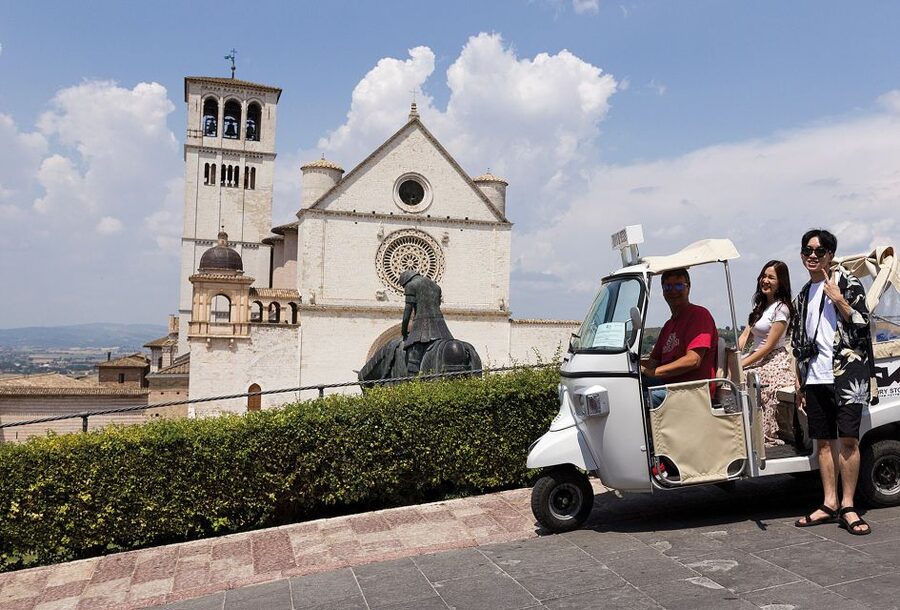
Assisi rewards walking, but it does not make walking easy. The old center runs along a hill, with narrow lanes, uneven paving, and long uphill or downhill stretches between churches. A tuk-tuk can slip along these tight streets and carry you between the upper town and the lower sites without turning the day into an endurance test.
That matters most on this route because the story is not confined to one square. You begin near Porta Nuova, visit sites in the historic center, then head to San Damiano and Rivotorto before finishing near the Basilica of St. Francis. On foot, that would require careful planning and a fair amount of uphill work.
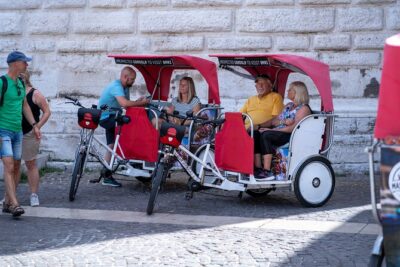
The vehicle is also part of the fun. You get the open-air feel of a small sightseeing ride, but with a guide beside you rather than a recorded commentary. The group limit of four keeps the setting intimate, though larger families or parties will need to ask the operator about arrangements.
The meeting point is the Asisium Travel Agency beside the Porta Nuova Medieval Gate. Pickup from your hotel in Assisi is also offered, which can save time if you are already staying in town. For a booking of three people, the agency asks you to contact them directly by email or phone because of a technical booking issue. That is an easy detail to miss, so handle it before you arrive.
More Tuk Tuk Tours in Italy:
- Florence Private Transportation in Rickshaw
★ 5.0 · 730 reviews - Florence: Private Transport by Rickshaw
★ 5.0 · 659 reviews - Sorrento Farm by Tuk Tuk: Cheese, Limoncello & Hands-On Pizza
★ 5.0 · 628 reviews
Starting with St. Francis’s family home
The first stop is Chiesa Nuova, associated with the home of St. Francis and his parents. It is a useful beginning because it places Francis in a real family and social setting before the better-known religious story takes over.
From there, the tour moves to Piazza del Comune, the main square of Assisi. The square is also where you see the Temple of Minerva, a striking reminder that Assisi was an important Roman town long before Francis was born. I like this early contrast. You are not being shown a town made only of shrines. You are seeing Roman Assisi, medieval Assisi, and Franciscan Assisi layered together.
A guide can make the square easier to read than a quick look from a café table. The ancient temple, civic buildings, and later Christian sites all sit close together, but they belong to different periods. This is one place where a good explanation helps you understand what you are seeing instead of simply collecting another photograph.
Piazza Matteotti and the baptismal church of San Rufino
At Piazza Matteotti, the route brings in the Roman Amphitheater. This stop adds another piece to Assisi’s long past and helps explain why the town has more than one historical identity.
The Cathedral of San Rufino is especially important for the St. Francis theme. Francis was baptized here, and the cathedral also connects the tour to St. Clare, whose life is closely tied to his. The building is not just another church on a sightseeing list. It is one of the places where the story begins in a very literal way.
You should expect the guide to connect the physical sites with events from Francis’s life rather than give a detached list of dates. Daniel, Daniele, and Marco have all been praised for making the material accessible and engaging. The best result is that later stops make more sense because you already know where Francis came from and where his religious path began.
The Bishop’s Palace and the Sanctuary of the Stripping
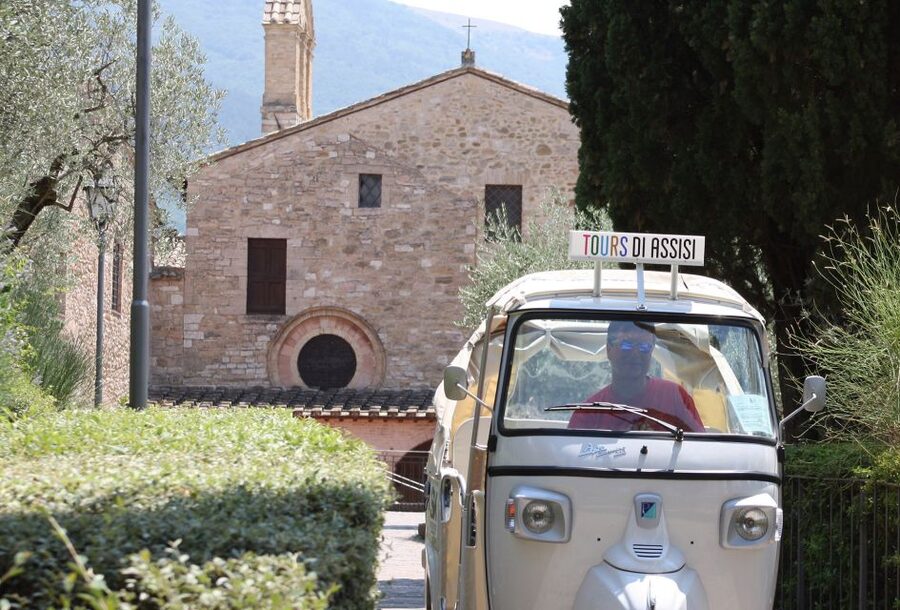
Piazza del Vescovado brings the tour to the Bishop’s Palace and the Sanctuary of the Stripping. This part of the route deals with one of the most dramatic moments in Francis’s life, when he rejected his former wealth and gave himself fully to a religious life.
The site matters because it turns a large spiritual idea into a personal act. Francis was the son of a prosperous cloth merchant, so the choice to give up status and possessions was not abstract. It affected his family, his public identity, and his place in Assisi.
This is also a stop where a local guide can provide useful perspective. A short description of Francis as simply the poor saint misses the tension in his early life. The visit is more meaningful when you understand the change from wealthy young man to religious reformer.
The name Sanctuary of the Stripping may sound stark, and the subject is stark. This is not the lightest part of the tour, but it gives the itinerary a clear turning point.
Same place, a completely different ride:
- Bari: Old Town Guided Eco-Friendly Rickshaw Tour
★ 4.9 · 355 reviews - Private Tour of the Medieval Village of Ostuni by Tuk Tuk
★ 4.5 · 278 reviews - Private Florence Tour by Golf Cart ETukTuk with Audio Guide
★ 4.0 · 256 reviews - Lecce: City Highlights Guided Tour by Rickshaw
★ 4.8 · 236 reviews
San Damiano and the famous crucifix
San Damiano is one of the most important stops on the route. The church is linked to the crucifix that, according to the Franciscan story, spoke to Francis and called him to repair the church. It is also strongly associated with St. Clare.
The stop is valuable for two reasons. First, it ties a physical object, the crucifix, to the moment when Francis’s direction changed. Second, it brings Clare into the story instead of treating Assisi as a one-saint town. The connection between Francis and Clare is essential to understanding the religious community that grew here.
One practical benefit of this tour is that the tuk-tuk handles the road between the upper center and San Damiano. You can save your energy for the visit itself. A previous booking specifically valued the chance to enter Basilica di Santa Chiara and see the original San Damiano cross, so ask your guide what access is possible on your date. Church opening conditions can affect what you are able to enter or view.
Keep your clothing comfortable and suitable for church visits. The operator specifically recommends comfortable clothes, and modest dress is a sensible choice for religious sites.
Rivotorto and the Sacred Shrine
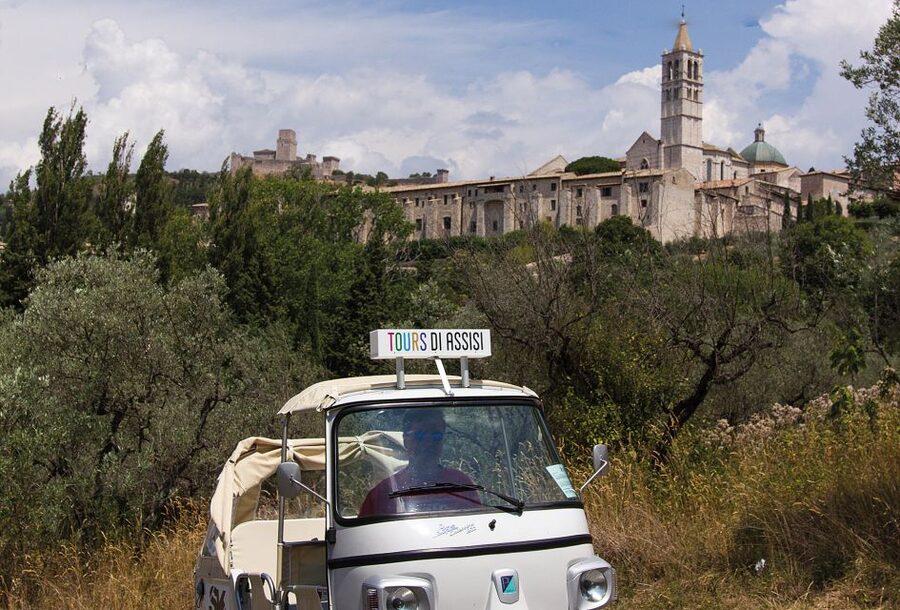
Rivotorto Sacro Tugurio, or the Sacred Shrine of Rivotorto, takes the story away from Assisi’s grand churches. The site is linked with the humble shelter where Francis and his early companions lived.
This contrast is one of the strongest parts of the route. The basilicas are large, decorated, and built to receive pilgrims. Rivotorto points back to the simpler beginning of the movement. You get a better sense of the gap between the small group around Francis and the major religious tradition that later grew from it.
Rivotorto is also a place that can be difficult to fit into a self-guided visit if you do not have your own transport. The tuk-tuk makes it practical to include. One guide described the excursion as a way to reach places that would be hard to visit independently, and this is exactly the sort of stop that explains why.
Do not expect every stop to have the same visual impact as the Basilica of St. Francis. Rivotorto is important because of its connection to the story and its setting, not because it offers the biggest monument. Give it attention rather than judging it by size.
Santa Maria degli Angeli and the Porziuncola
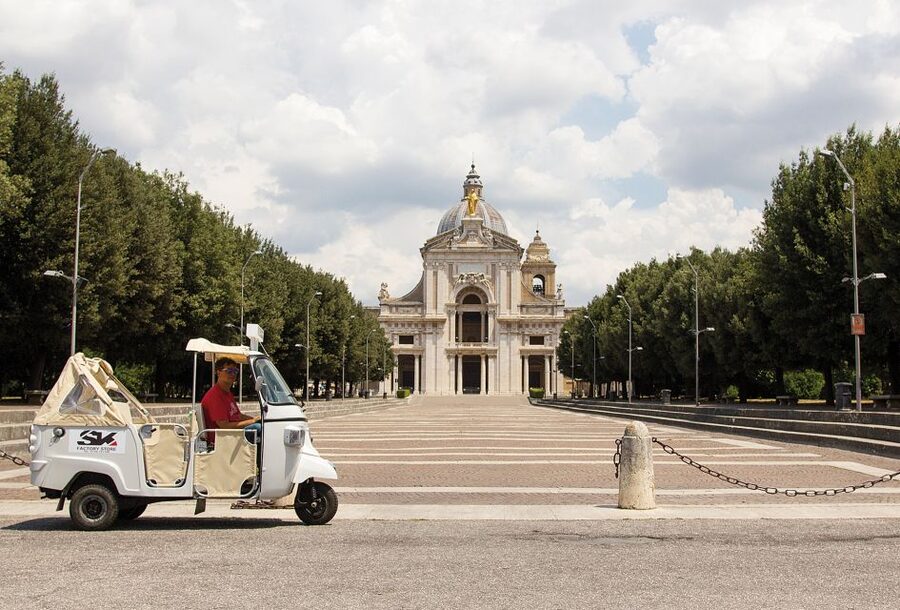
The Basilica of Saint Mary of the Angels, in the lower part of the Assisi area, contains the Porziuncola. This small chapel is one of the central Franciscan sites, and the basilica built around it creates a striking contrast between the modest original structure and the much larger church that protects it.
This is a major reason to choose the tuk-tuk tour. The basilica is not in the upper historic center, so visiting it requires a separate descent or a well-planned transport connection. The tour folds it into the same half-day route.
The Porziuncola is also tied to the final part of Francis’s life. Including it before the final stop at the Basilica of St. Francis gives the itinerary a strong sense of movement from small beginnings to a major pilgrimage center.
Your visit may feel more devotional here than at the Roman and civic sites earlier in the day. That mix is part of the appeal. You are not touring only art or only religious buildings. You are moving through the places, objects, and settings that shaped Franciscan tradition.
Finishing at the Basilica of St. Francis
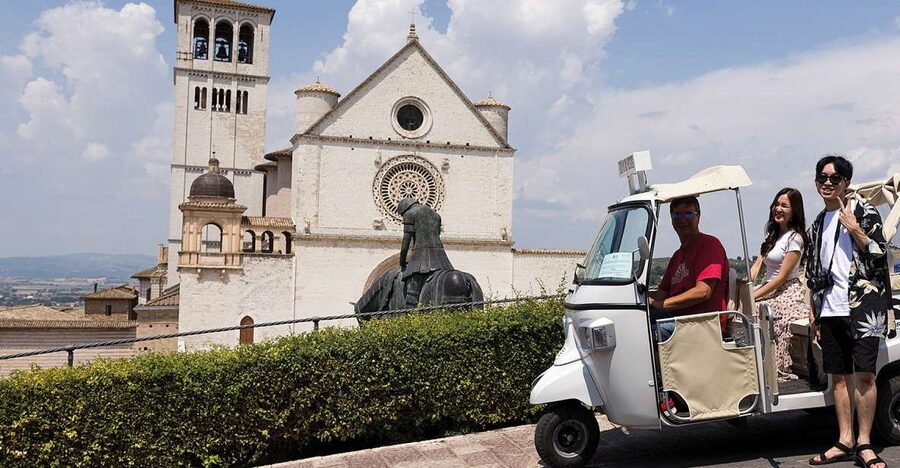
The tour ends at the Basilica of St. Francis, one of Assisi’s defining monuments. It is the natural closing point for a route that has followed Francis from his family home through his spiritual change and early religious life.
The value of arriving here after the other stops is context. If you begin with the basilica alone, it can be easy to see it as a grand church filled with famous art. After visiting Chiesa Nuova, San Rufino, the Bishop’s Palace, San Damiano, Rivotorto, and the Porziuncola, you have a clearer sense of why this place matters.
The route description presents the basilica as connected with Francis’s birthplace, but the more useful point for your visit is that it serves as the principal memorial and pilgrimage destination at the end of the tour. Plan to spend extra time inside if the schedule allows, since the guided portion has already covered many sites in a short period.
Three and a half hours is enough for a broad introduction, not a slow study of every church. If you want extensive time for art, prayer, or quiet reflection, you may need to return later on your own.
What the guiding adds
The strongest praise for this experience centers on the guides. Daniel, also referred to as Daniele, is a lifelong resident of Assisi or the surrounding area. He has been singled out for connecting local history, Italian history, geography, and the life of St. Francis without turning the outing into a dry lecture.
That local connection matters. Assisi can look simple at first: a hill town, a few famous churches, and many pilgrimage groups. A resident guide can explain how the places fit together and why particular streets, squares, and churches matter.
Marco has also been praised for his clear explanations and strong command of the area. The guide assigned to your departure may vary, so you should not book on the assumption that one named guide is guaranteed. Still, the repeated pattern is useful: this is a guide-led experience, not simply a tuk-tuk transfer between photo stops.
The language options are English, Italian, Spanish, and French. The driver may speak one of these languages, so select your preferred option carefully when booking. The group size is limited to four, which gives you a better chance to ask questions and request clarification than you would on a large bus tour.
Value, timing, and who should book
No tour price is provided here, so I cannot judge the exact cost. The value depends on how much you would otherwise spend on separate transport, entry planning, and a private guide. For a couple or small family, the price may make sense because the tuk-tuk links the upper town and lower sites in one outing.
I would especially consider this tour if you have only one day in Assisi, have limited mobility for steep hills, or want a clear introduction before exploring independently. It also suits anyone interested in St. Clare as well as St. Francis, since San Damiano and Santa Chiara can be part of the broader story.
You may prefer a walking tour if your main aim is slow photography in the historic center. You may also want a separate church visit if you care about spending a long time inside the basilicas. The tuk-tuk is efficient, but efficiency means you keep moving.
The booking terms are flexible: you can cancel up to 24 hours ahead for a full refund, and you can reserve now and pay later. Bring a credit card and wear comfortable clothes. The agency is beside Porta Nuova Medieval Gate, and hotel pickup in Assisi is available.
Should you book the Life of Saint Francis Tuk-Tuk Tour?
I would book it if you want the full Assisi story in one half-day, especially if steep streets and scattered sites make you hesitate. The combination of a small private group, local guiding, and access to Rivotorto and Santa Maria degli Angeli gives you more than a quick ride around the center.
I would skip it only if you want a slow, unstructured day inside churches or prefer to cover Assisi entirely on foot. For most first visits, the route is a smart way to get your bearings and understand why the town matters before returning to your favorite sites at your own pace.
FAQ
How long does the Life of Saint Francis Tuk-Tuk Tour last?
The tour lasts three and a half hours.
Where does the tour meet?
The meeting point is the Asisium Travel Agency beside the Porta Nuova Medieval Gate in Assisi. Hotel pickup in Assisi is also available.
How many people can join the tour?
The tour is limited to four participants.
Which languages are available?
The driver may speak English, Italian, Spanish, or French.
Which places connected with St. Francis are included?
The route includes Chiesa Nuova, the family home of St. Francis, Piazza del Comune, Piazza Matteotti, San Rufino Cathedral, Piazza del Vescovado, the Sanctuary of the Stripping, San Damiano, Rivotorto, Santa Maria degli Angeli and the Porziuncola, and the Basilica of St. Francis.
Can I book for three people online?
Due to a technical issue, you should contact Asisium Travel Agency directly by email or phone to arrange a booking for three people. The listed phone numbers are 0039 3343954324 and 0039 075813074.
What should I bring?
Bring a credit card and wear comfortable clothes.
Can I cancel the booking?
You can cancel up to 24 hours in advance for a full refund. You can also reserve now and pay later.
Just added around Italy
- Tuk Tuk Coastal Tour★ 5.0 · 10 reviews
- Syracuse and Ortygia and Park Neapolis Tuk-Tuk Tour★ 5.0 · 5 reviews
- Private Tuk Tuk Tour of the Millenary Olive Groves in Ostuni★ 5.0 · 4 reviews
- Siena E-Tuk Tuk panoramic Aperitivo with Local Snacks★ 5.0 · 2 reviews
- Tuk tuk ride, ape car★ 4.0 · 110 reviews
- Ortigia APE-TUK TUK 1-hour private tour★ 5.0 · 22 reviews
- 2 Hours Calessino/ Tuk tuk Tour to Syracuse and Ortigia Island★ 4.5 · 34 reviews
- Apelisetta tuk tuk: 2 hours tour of Cagliari★ 5.0 · 66 reviews
Italy Tuk Tuk Tours, compared.
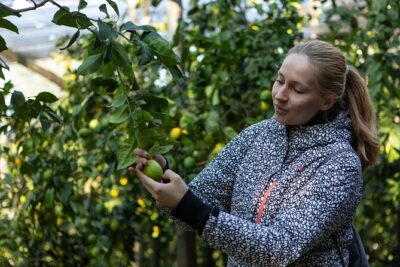
Sorrento Farm by Tuk Tuk: Cheese, Limoncello & Hands-On Pizza
Read our review →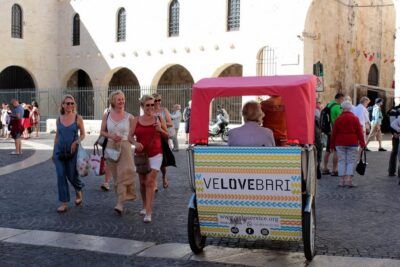
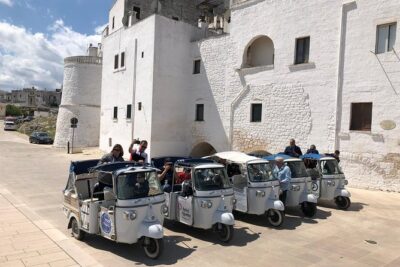
Private Tour of the Medieval Village of Ostuni by Tuk Tuk
Read our review →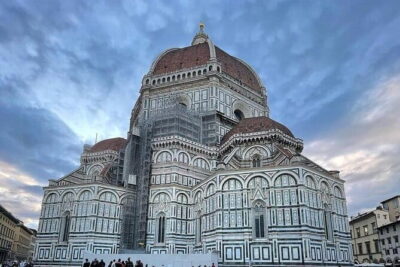
Private Florence Tour by Golf Cart ETukTuk with Audio Guide
Read our review →
Where else this ride shows up