REVIEW · COUNTRYSIDE AND VILLAGE TUK TUK TOURS
Silk Island & countryside of Phnom Penh by Tuk Tuk
Phnom Penh fades quickly once your tuk tuk rolls onto the ferry. You cross the Mekong near the meeting point of the Mekong, Tonle Sap, and Bassac rivers, then trade city traffic for small villages, crop fields, family workshops, and quiet riverbanks. The ferry ride and island roads are the real pleasure here, not a checklist of major sights.
I like the direct look at rural work, from silk spinning and weaving to tofu-skin production and sedge-mat making. I also like the human scale: guides such as Thong Chea and Sok Mon explain what you are seeing, and the meal is served at a simple local restaurant rather than a polished tourist venue. The main drawback is that this is a hot, informal outing, and the quality of the meal and workshop visits can vary.
Key points at a glance
- A ferry ride begins the escape: Cross the Mekong by local ferry, with the tuk tuk joining you on parts of the journey.
- Silk is shown as work, not just a souvenir: See the family-scale process from silkworms and thread to woven scarves and fabric.
- The countryside is the main attraction: Pass mango, banana, corn, lemongrass, ginger, rice, taro, and water-lily growing areas.
- Small businesses make the visit feel useful: Stop at a family silk workshop and a bean curd producer.
- The meal is local and relaxed: Eat lunch or dinner at a Khmer restaurant, sometimes on a floating dining area beside the river.
- Keep expectations flexible: Some farm areas are viewed from the tuk tuk, and the tour can run from roughly three to five hours.
Why Silk Island makes a smart half-day escape
Phnom Penh can feel intense: horns, dust, traffic, and constant movement. Silk Island offers a clean break without requiring a full day on the road. The island is close enough for a half-day visit, yet the ferry crossing creates a clear change of pace.
I like this tour because it shows Cambodia through ordinary work. You are not simply driven to a silk shop, shown a few finished scarves, and sent back to town. The route includes farms, villages, a market, religious sites, food production, and several kinds of small-scale craft.
The experience is also personal. The group limit is 12, and hotel pickup and drop-off are included. Depending on the group size, you travel in a tuk tuk or a minivan, while the island portion uses a tuk tuk, locally called a romork. The exact rhythm depends on traffic, ferry timing, and how much time your guide spends at each stop.
The tour is offered in the morning or early evening. The evening option can be especially pleasant because the heat eases and the final meal may coincide with sunset beside the river. The morning departure gives you cooler walking conditions and more daylight for the market and farms.
More Countryside Tuk Tuk Tours in Cambodia
- Afternoon tour by tuk tuk to bamboo train,bat cave,killing cave,countryside.
★ 5.0 · 344 reviews - 4 hours taking tuk tuk to see Mekong dolphins and countryside
★ 4.5 · 36 reviews - Full day tour by bicycle & tuk tuk,bamboo train,bat cave,villages
★ 5.0 · 27 reviews
Crossing the Mekong at Phsar Areyksat
The first memorable section is the ferry crossing from the Phnom Penh side toward the island communities. This is not a sightseeing cruise. It is a working local ferry, and the tuk tuk may be taken across with you. That simple detail makes the crossing feel like transport used for daily life, not a staged boat ride.
From the water, you get a different view of Phnom Penh and the river junction. The Mekong, Tonle Sap, and Bassac meet in this wider river system, which helps explain why waterways remain so important to movement, trade, farming, and food in the area.
After reaching the other side, you walk through local villages and visit a wet market. Expect a sensory stop rather than a grand attraction: food, produce, household goods, and the daily business of buying and selling. Your guide can add useful context about what is grown locally and how ingredients appear in Cambodian cooking.
This section is best for people who enjoy watching normal life unfold. It is less suitable if you want a polished market tour with set demonstrations and display boards. The value lies in seeing the places people actually use.
Farms, village roads, and the island’s working countryside
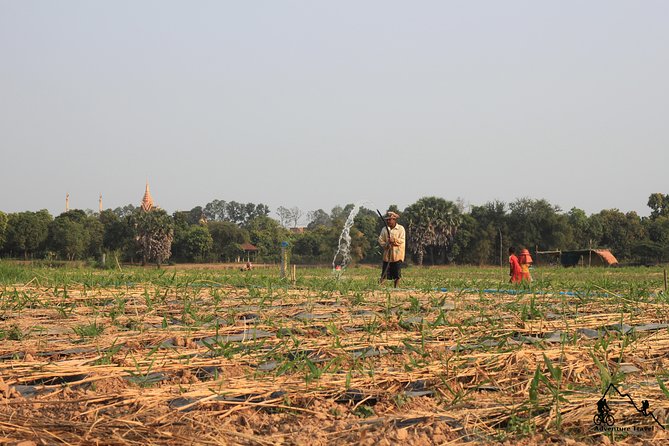
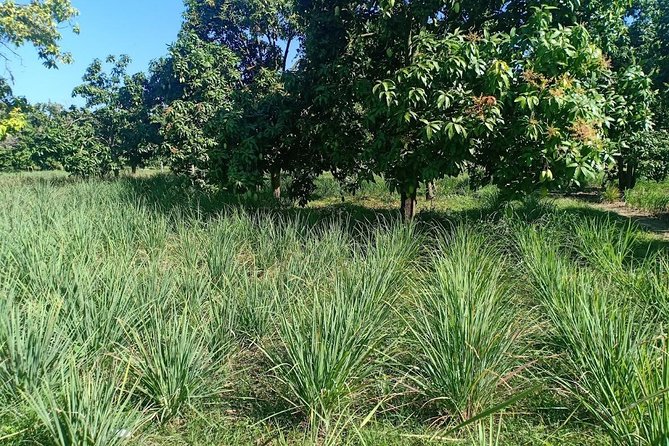
The tuk tuk route passes through fields and plantations growing mango, banana, corn, lemongrass, ginger, rice, taro, and water lilies. Depending on the day and the exact route, you may stop for a closer look or simply pass through while your guide explains how families grow and rotate crops.
Some descriptions of the tour call it a walking experience, but much of the countryside is covered by tuk tuk. You get short walks through villages, at workshops, and around religious sites, while the vehicle handles the longer stretches. One practical point matters here: some farm areas are viewed from the road rather than visited as formal attractions.
That is not necessarily a weakness. It keeps the outing moving and gives you a broad sense of the island rather than focusing on one farm. Still, if your main goal is hands-on agriculture, ask the provider how much time is planned for farm stops.
The roads and scenery are part of the appeal. You pass small homes, narrow village lanes, planted fields, and stretches of open countryside. The tuk tuk is exposed to the weather, so bring sun protection, water, and clothing that is comfortable in heat. The tour includes tropical fruit and drinking water, but I would still carry extra water if you are sensitive to hot conditions.
Seeing how silk becomes fabric
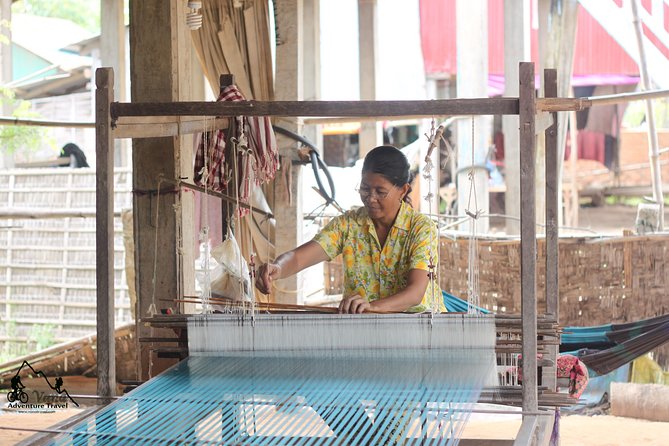
The silk workshop is usually the heart of the experience. This is a family-run operation rather than a large commercial farm. You may see silk production and weaving in a modest home setting, with the process explained from silkworms and thread through spinning and weaving.
The work is slow and exact. You can watch thread being prepared, see the looms in operation, and in some cases try weaving yourself. That hands-on moment helps explain why a finished scarf or sarong costs more than its size might suggest. Each piece represents repeated, careful work rather than a quick factory process.
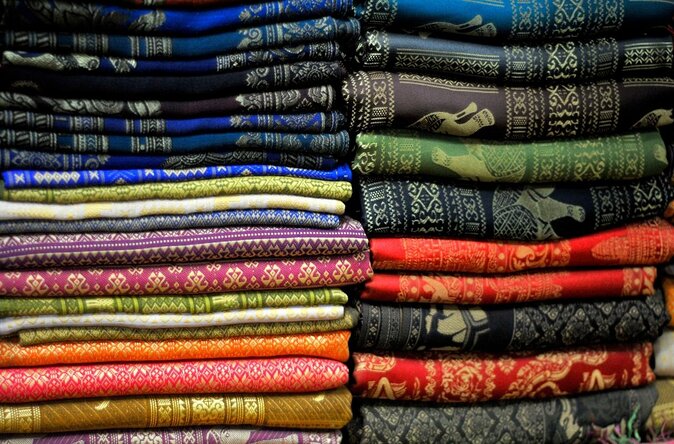
The setting is deliberately low-key. There is no indication that buying is required, and the tour is intended to show the craft first. Finished scarves, runners, and other textiles may be available, but you can treat the stop as an educational visit.
Keep your expectations realistic. A family workshop may not have silkworms at every stage of production on the day you visit. Some items may already be prepared, and the visit may feel more like a demonstration of local weaving than a complete farm tour. That is normal for household production, but it is worth knowing before you book.
A fruit break often accompanies this part of the outing. It adds a welcome pause and gives you a chance to speak with the family through your guide. The strongest guides, including Thong Chea and Sok Mon, appear to make these conversations about local life rather than turning them into a sales pitch.
More Countryside Tuk Tuk Tours in Phnom Penh:
- CuChi Tunnels&Mekong Delta-Boat,TukTuk,Coconut Village SmallGroup
★ 5.0 · 3,113 reviews - Private Tour of the Medieval Village of Ostuni by Tuk Tuk
★ 4.5 · 278 reviews - Tuk tuk Tour Tavira Total – 2h00 – Includes Tuna Museum and Fishing Village
★ 5.0 · 71 reviews - Crete: Private Tuk Tuk Tour of 7 Villages with Tastings
★ 5.0 · 52 reviews
Sedge mats, tofu skin, and small family businesses
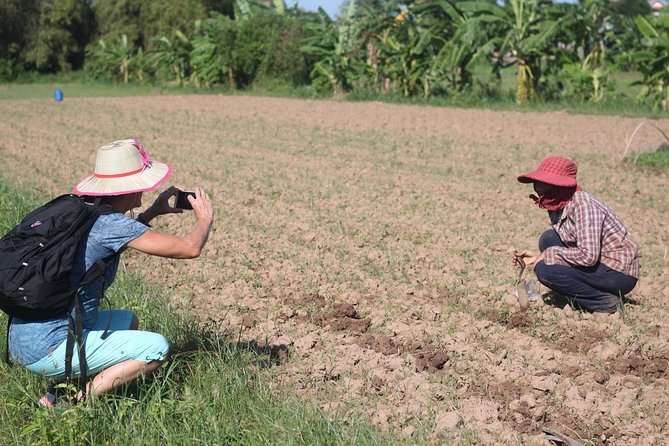
Silk is not the only craft on the route. You may stop to see sedge mats being woven by villagers along the Mekong. This is a useful counterpoint to silk because it shows another household craft based on practical goods used in daily life.
Another stop focuses on bean curd, sometimes described as tofu skin or soya bean curd. It is a staple ingredient in Cambodian soups and stir-fried noodle dishes. You can see how a small family business turns soybeans into a common cooking ingredient, and tasting some of the product may be part of the visit.
These stops matter because they connect food and craft to income. The island is not presented as a museum. It is a place where families farm, weave, process food, and sell what they make.
The pace can vary. Some groups spend more time asking questions and watching demonstrations, while others move along quickly. If you are curious about the work, tell your guide early. A private guide can usually adjust the amount of explanation and time spent at each stop.
A quiet monastery and Cambodia’s spiritual life
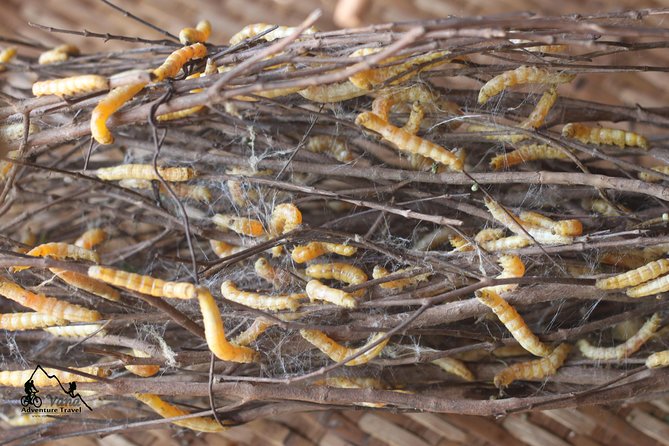
The route includes a Buddhist monastery, with some tours stopping at a beautifully painted temple or a small nunnery. This is a calmer part of the afternoon and a chance to discuss religion in Cambodia.
The monastery is not presented as a major monument. Its value is in the setting and the opportunity to see a place connected to local spiritual life. Take your time with the painted details, observe quietly, and dress respectfully.
The supplied information lists a formal dress code. Since the tour includes villages, workshops, and a Buddhist site, modest clothing is the sensible choice. Cover your shoulders and knees, and avoid beachwear. Your guide can advise you on the correct behavior at the monastery.
This stop also breaks up the road time. After the market, farms, and workshops, the temple gives the outing a slower pause before the final meal.
Dinner beside the river
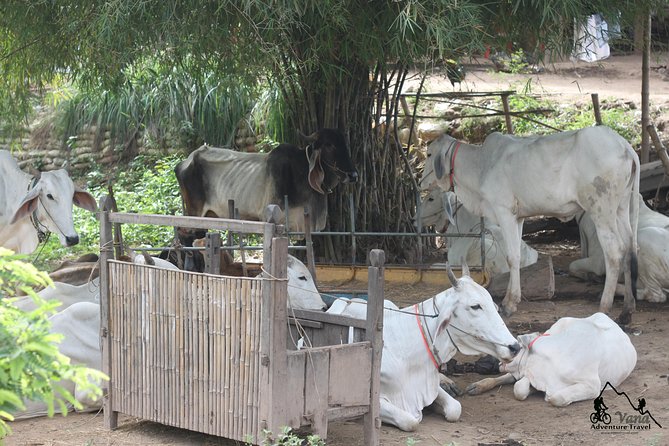
The meal is included, with vegetarian food available if requested at booking. Depending on the departure time, you receive lunch or dinner at a local Khmer restaurant. Some groups eat at a floating dining area or a simple family-run restaurant overlooking the river.
I like the setting because it finishes the tour quietly. You can sit near the water, eat Cambodian dishes, and let the tuk tuk rides and ferry crossings settle into the background. The atmosphere is informal, and the location may feel far removed from central Phnom Penh.
This is not a fine-dining stop. One account describes problems with insects, ants, and unclean tableware at an evening riverside meal. The operator acknowledged that river and farmland locations can bring insects, especially when lights are on, and issued a full refund in that case. Most of the available feedback is strongly positive about the food and setting, but this caution is worth taking seriously if you need polished service or have a low tolerance for rustic conditions.
Tell the provider about vegetarian needs when you book. Alcohol is not included, though it can be purchased. Guides and drivers may eat with you, which the operator presents as part of the informal local experience.
How the tuk tuk transport affects the day
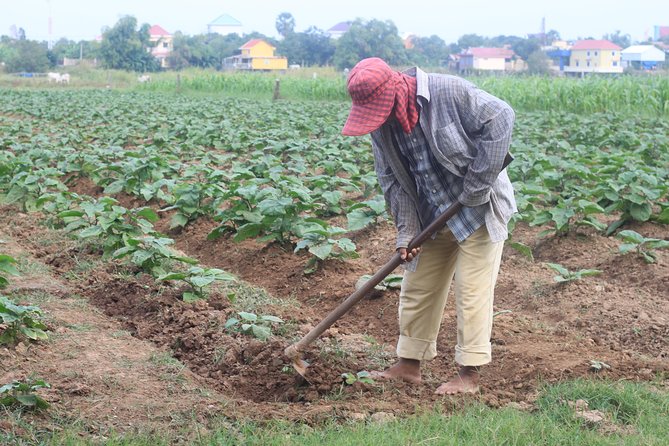
The tuk tuk is not just a transfer between attractions. It is part of the experience. You cross short ferry routes, travel through small villages, and ride along farm roads with open views and plenty of wind.
That openness is pleasant, but it also means exposure to sun, dust, heat, and occasional road bumps. The driver matters. The available feedback repeatedly praises careful drivers, including Yat, Chhel, and other local drivers working with the company. Vehicle type can vary, and larger groups may use a minivan for the hotel transfer.
The total duration is listed as about three to five hours, although the two main sections are described as roughly three hours and two hours. In practice, allow a flexible half-day. Ferry timing, traffic in Phnom Penh, stops at family businesses, and the length of the meal can all affect the finish time.
Pickup and drop-off at your hotel are included. This is useful in Phnom Penh, where finding the correct ferry departure point and arranging a return tuk tuk can take time. The maximum group size is 12, but ask at booking whether your party will travel privately or share the vehicle.
What the $45 price includes
At $45 per person, the price is reasonable if you use the included services. You are paying for hotel transfers, a professional English-speaking guide, the tuk tuk and driver, ferry fees, a contribution to villagers, tropical fruit, and a Khmer meal.
Arranging these pieces yourself would require separate transport from Phnom Penh, ferry coordination, a driver for the island, and access to family workshops that are not obvious from the main tourist streets. The guide is also important because the value comes from understanding what you are seeing.
The price is less compelling if you want a fast transport-only outing or a formal silk museum. This tour takes time because it uses local roads and stops at modest family businesses. You pay for access and explanation, not luxury.
The tour has a 4.8 rating from 68 ratings and a 96 percent recommendation rate. That points to strong overall satisfaction, but the one serious complaint about the meal and the mixed expectations around the silk workshop show why you should book with an open mind.
Who will enjoy this best
I would choose this tour if you want to see daily life beyond central Phnom Penh, enjoy local food, and prefer small businesses and village roads to major monuments. Families can take part, and most people can participate. A child rate applies only when the child shares with two paying adults.
It also suits repeat visitors who have already seen Phnom Penh’s main sights. The tour gives you farms, ferry travel, workshops, and a temple in one outing without requiring an overnight stay.
You may want another option if you dislike open-air transport, heat, uneven roads, simple restaurants, or flexible timing. It is also not the best choice if you expect a large commercial silk farm with a full production line. The island workshop is family-run and modest.
Guides vary, but names connected with especially strong experiences include Thong Chea, Sok Mon, Tida, Narith, Mr Pi, and Thom. If a particular guide matters to you, request that person when booking, but do not assume availability.
Booking details worth noting
Confirmation is provided at booking. Free cancellation is available up to 24 hours before the start time for a full refund. Cancellations or changes within 24 hours are not accepted for a refund.
Vegetarian food must be requested in advance. Alcoholic drinks and souvenir photos cost extra. The tour is near public transportation, although hotel pickup makes that less important.
The formal dress code deserves attention. Wear modest, breathable clothing suitable for a monastery, and bring sun protection for the ferry and tuk tuk rides.
Should you book the Silk Island tour?
Book it if you want a friendly, practical look at Cambodian life outside Phnom Penh. The ferry crossing, farm roads, silk weaving, bean curd production, monastery visit, and riverside meal create a varied half-day without a long transfer.
I would especially recommend it for first-time visitors who want more than city temples and markets, and for families who enjoy seeing how food and fabric are made. Just set your expectations correctly: this is rural Cambodia, not a polished attraction. The workshop is small, the meal can be rustic, and the day depends on weather, ferry movement, and the pace of local life.
If that sounds like the kind of experience you want, $45 is a fair price for the transport, guide, meal, and access to places you would be unlikely to arrange easily on your own.
FAQ
How long does the Silk Island tour take?
The experience lasts approximately three to five hours. The two listed portions are about three hours and two hours, so you should allow a flexible half-day.
Does the tour include hotel pickup and drop-off?
Yes. Hotel pickup and drop-off in Phnom Penh are included. Transport may be by tuk tuk or minivan depending on group size.
Is the ferry ride included?
Yes. The ferry crossing fee and a contribution to the villager are included in the price.
What kind of transport is used on the island?
The island portion uses a tuk tuk, also called a romork, with an experienced driver. Larger groups may use a minivan for hotel transfers.
Is food included?
Yes. Tropical fruit and a Khmer lunch or dinner with local people are included. The meal may be served at a local restaurant or a floating dining area beside the river.
Is a vegetarian meal available?
Yes. Vegetarian food is available, but you should advise the provider when booking.
Can children join the tour?
Yes. Most people can participate, and a child rate applies when the child shares with two paying adults.
What will I see at the silk workshop?
You can see family-scale silk production and weaving, including parts of the process from silkworms and thread to finished fabric. In some cases, you may try weaving.
Is the tour private?
The information describes a private guide, but the maximum group size is 12. Confirm the exact group arrangement with the provider when booking.
What is the cancellation policy?
You can cancel at least 24 hours before the start time for a full refund. Cancellations or changes made within 24 hours are not refunded.
Is formal clothing required?
The tour information lists a formal dress code. Modest clothing is particularly important because the route includes a Buddhist monastery.
Just added around Phnom Penh
- Killing Fields & Toul Sleng Genocide Museum Tickets With Tuk Tuk★ 5.0 · 6 reviews
- Full-Day Phnom Penh City & Silk Island with a local Tuk Tuk Tours★ 5.0 · 4 reviews
- Silk Island Tuk Tuk Tour★ 4.5 · 9 reviews
- Phnom Penh: Silk Island Sunset Tour by Tuk Tuk★ 5.0 · 21 reviews
- Phnom Penh Full Day Private Tour By Tuk Tuk or Taxi Car★ 5.0 · 3 reviews
- Visit Phnom Udong and Silk Island by Khmer Traditional Tuk-Tuk★ 5.0 · 4 reviews
- Phnom Penh Night City Highlights & Local Food tour by Tuktuk★ 5.0 · 10 reviews
- Phnom Penh Morning Market & Food Tour by Tuktuk – Includes All Food & Drinks!★ 5.0 · 99 reviews
Countryside and Village Tuk Tuk Tours, compared.
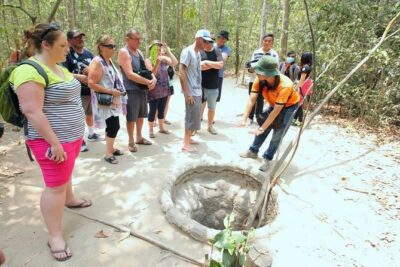
CuChi Tunnels&Mekong Delta-Boat,TukTuk,Coconut Village SmallGroup
Read our review →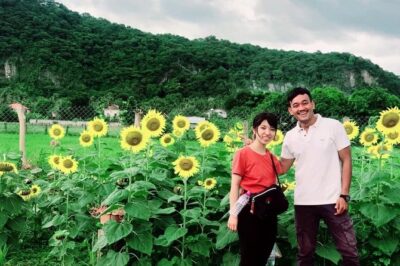
Afternoon tour by tuk tuk to bamboo train,bat cave,killing cave,countryside.
Read our review →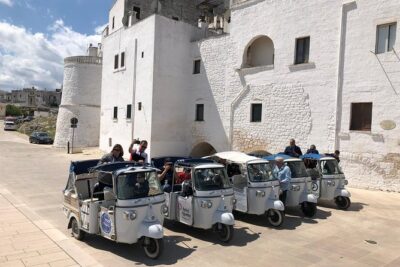
Private Tour of the Medieval Village of Ostuni by Tuk Tuk
Read our review →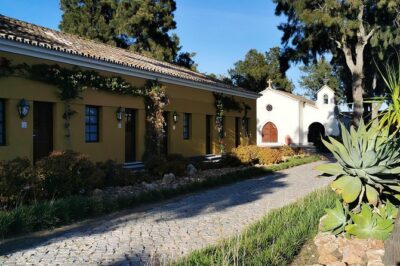
Tuk tuk Tour Tavira Total – 2h00 – Includes Tuna Museum and Fishing Village
Read our review →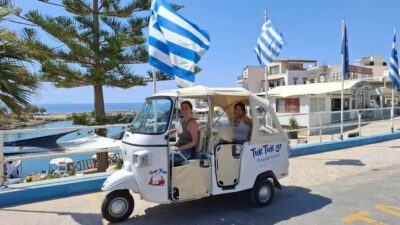
Crete: Private Tuk Tuk Tour of 7 Villages with Tastings
Read our review →

4 hours taking tuk tuk to see Mekong dolphins and countryside
Read our review →