
REVIEW · CYCLO TOURS
Saigon Then & Now: A Bygone Cyclo Adventure
A cyclo puts you close to Ho Chi Minh City’s daily rhythm. Instead of watching the streets through a bus window, you move at a slow, open-air pace past flower sellers, fabric stalls, motorbikes, temples, and market lanes. I like the mix of local markets and major sights, and I like that guides such as Luc and Cici bring strong local knowledge to the route.
The main drawback is the tight schedule. Four hours is enough for a broad introduction, but many stops are brief, often suited to photos rather than long visits. You should also confirm pickup details, since the stated start point is the Saigon Opera House even though pickup is offered.
Key points at a glance
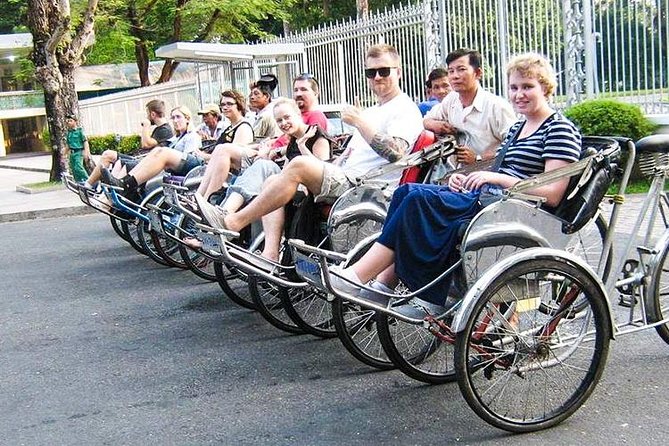
- Cyclo travel through several districts: See central Ho Chi Minh City and the Chinese quarter from a low, open seat.
- Markets beyond the usual sightseeing route: Pass flower, electronics, fabric, motorbike-parts, and food markets.
- A useful history mix: Cover the Central Post Office, Reunification Palace, War Remnants Museum area, and Ba Thien Hau Temple.
- Lacquerware and local craft: Spend about 30 minutes at a Vietnamese lacquerware gallery and workshop.
- Pho included: Stop at Pho 24 on Pasteur Street for a bowl of noodle soup.
- Private format: Only your own group takes part, with an English-speaking guide and one cyclo per person.
Why a cyclo changes the way you see Saigon
Ho Chi Minh City can feel too fast when you first arrive. Motorbikes fill the streets, shop fronts run close to the pavement, and each district has its own pace. A cyclo slows the city down without taking you away from it.
You sit in front while the driver pedals from behind. That gives you a clear view of street life, though you remain part of the traffic rather than separated from it. The route is not just a parade of famous buildings. It is built around the ordinary places that make the city work: flower stalls, cloth shops, repair counters, electronics sellers, and food markets.
I find this format especially useful early in a stay. It gives you a quick sense of how central District 1 connects with District 5 and District 10. You will not become an expert on every neighborhood in four hours, but you will see that Saigon is more than its colonial center.
The private setup helps. You do not have to match the pace of a large group, and your guide can answer questions from adults or children. Luc has been praised for making the tour easy and for handling children’s questions well. Cici is another named guide associated with the tour, noted for being thoughtful and well informed about the city and its culture.
More Cyclo Tours in Ho Chi Minh City
- Chef Vu Cooking Class Plus Market Trip in Saigon Center (Pick up by Cyclo)
★ 5.0 · 477 reviews - Small-group Saigon City Tour: 3-Hour Cyclo Ride to Hidden Stories
★ 5.0 · 203 reviews - Small-group Saigon City Tour: 1-day Must-See Icons & Cyclo Ride
★ 5.0 · 103 reviews
Starting near the Saigon Opera House
The stated meeting point is the Saigon Opera House at 07 Công trường Lam Sơn in District 1. This puts you in one of the city’s most central areas, close to major French colonial buildings and many hotels.
Pickup is offered, but the published meeting information also gives the Opera House as the start point. I would confirm the exact arrangement when booking, especially if you expect hotel pickup. The tour ends back at the meeting point, which makes the four-hour plan easy to fit around other activities.
Each person receives one cyclo. Bottled water is included, along with entrance fees, an English-speaking guide, and pho. Tips and personal expenses are not included, so keep those separate when working out your final budget.
Central Post Office and Reunification Palace
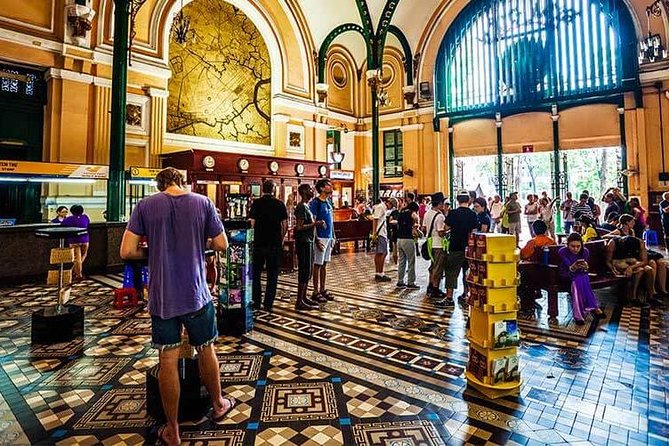
The Central Post Office is one of the most photogenic buildings in central Ho Chi Minh City. Its design combines French colonial and Gothic details, with a broad interior that still functions as a post office. The stop is listed at about five minutes, so expect a quick look and a photo rather than a long architectural visit.
That short timing is worth noting. The building deserves more time if you want to study its details, but the tour’s purpose is to connect several parts of the city in one outing. You can always return later if this is one of your priorities.
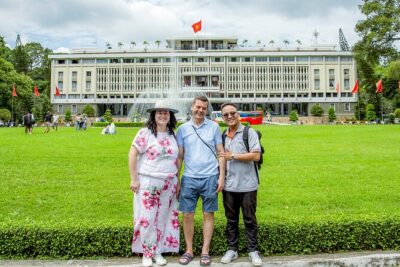
The route also includes the Reunification Palace, another major symbol of modern Vietnamese history. It was the former presidential palace and is closely linked with the end of the Vietnam War. Again, the listed visit is about five minutes. That makes it a useful outside view and orientation stop, not a full palace tour.
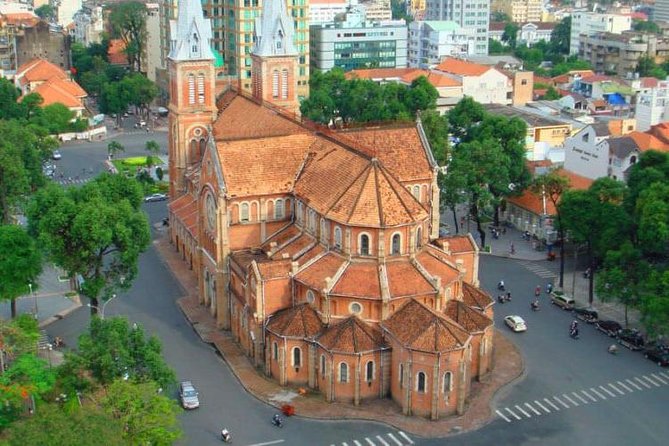
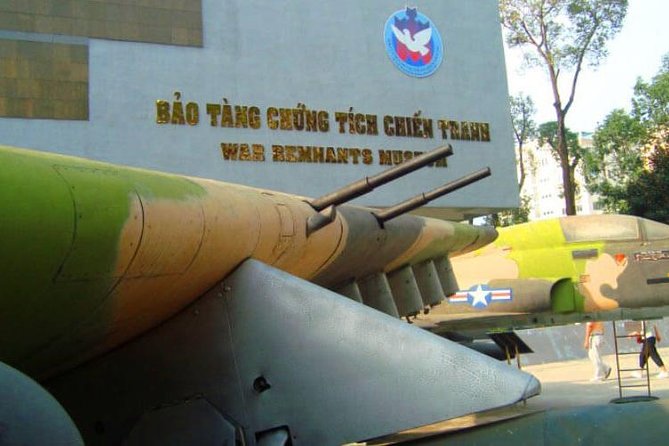
The general route description also includes Notre Dame Cathedral and the War Remnants Museum. These are important central sights, but the detailed stop list does not give them the same timed treatment as the Post Office or Reunification Palace. Ask your guide whether you will stop, pass by, or simply view them from the cyclo. The War Remnants Museum alone needs much longer than this tour allows if you want to see its exhibits properly.
Lacquerware in a working art setting
The lacquerware stop lasts about 30 minutes and gives the tour a welcome change of pace. Vietnamese lacquer art often uses repeated layers of lacquer, careful polishing, and decorative materials to create a smooth, deep finish. Here, the focus is on Vietnamese craftsmanship rather than another monument.
The stop is described as a visit to the Dai Viet lacquerware factory or Minh Phuong Lacquer gallery. The different names suggest that you should check the exact venue shown on your booking confirmation. Either way, the value is the same: you get a look at a local art form and a chance to see finished works in a gallery setting.
This is also the part of the route where shopping may enter the picture. You are not required to buy anything based on the supplied details, but craft workshops often include displays for sale. If you are interested in lacquerware, ask about the materials and the amount of handwork involved. If you are not shopping, treat the stop as a short introduction to Vietnamese decorative art.
Same place, a completely different ride:
- CuChi Tunnels&Mekong Delta-Boat,TukTuk,Coconut Village SmallGroup
★ 5.0 · 3,113 reviews - HCM: Mekong Delta Islands Boat & Tuk-Tuk Tour with Tastings
★ 4.8 · 2,285 reviews - Mekong Delta 4 Islands, TukTuk, Boat, Try Khot Cake Local Cooking
★ 5.0 · 1,148 reviews - HCM: Authentic Mekong Delta – Boat, TukTuk, Khot Cake Making
★ 4.7 · 380 reviews
Ho Thi Ky Flower Market and Saigon’s working markets
Ho Thi Ky Flower Market in District 10 is one of the more distinctive stops. It is known as Ho Chi Minh City’s largest flower market and begins operating in the early hours. The tour allows about 10 minutes here, which is enough to see the color and movement of the stalls, but not enough for a detailed market study.
The market stop is valuable because it shows a side of the city that a standard colonial-center tour can miss. Flowers are part of daily commerce, family events, religious observances, and celebrations. Even a quick visit gives you a sense of how much trade happens before many people have started their day.
After that, the route passes through several specialist markets. These include Nhat Tao Electronics Market, Tan Motorbike Spare Parts Market, and Soai Kinh Lam Fabric Market. The names tell you what makes them interesting. You see repair culture, motorcycle dependence, and textile trade in places that are built for working residents rather than sightseeing.
Nhat Tao is described as a major electronics and spare-parts hub in District 10 and parts of District 5. Tan Motorbike Spare Parts Market has more than three decades of history and focuses on motorcycle components and accessories. Soai Kinh Lam, on Tran Hung Dao Street, gathers hundreds of tightly packed textile stalls and shops.
These passages are likely to be more interesting from the cyclo than on foot if you want a broad view. The trade is dense and specialized, and a guide can explain what you are seeing. The tradeoff is that short photo stops will not let you browse in depth or make careful purchases.
Binh Tay Market and the Cholon connection
Binh Tay Market takes you into Cholon, Ho Chi Minh City’s historic Chinese quarter. The market dates from the 1920s and is known for its architecture and wholesale trade. It is a key point on the route because it connects commerce with the city’s Chinese-Vietnamese cultural life.
This is not the same experience as walking through a polished central shopping area. Binh Tay is a working market, and the surrounding streets add much of the meaning. The cyclo helps you cover more ground across District 5, where the route also includes cloth and motorbike markets.
Do not expect a long, quiet market visit. The itinerary gives no fixed duration for Binh Tay, and the tour has many stops to fit into four hours. If you want to examine food goods, buy fabric, or spend time photographing details, you may need to return on your own.
Still, this is one of the strongest reasons to choose the tour. You see several forms of commerce in one morning or afternoon, and you get a better sense of how different parts of Ho Chi Minh City serve different needs.
Pho 24 on Pasteur Street
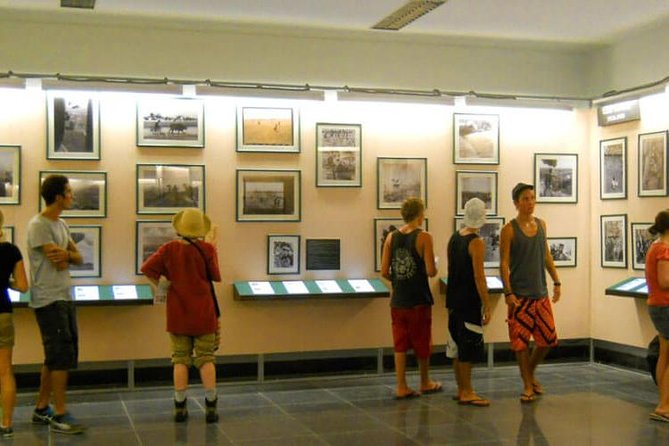
Food is not an afterthought here. The tour includes a stop at Pho 24, located at 158D Pasteur Street, with about 45 minutes set aside for pho noodle soup.
Pho is one of Vietnam’s best-known dishes, built around broth, rice noodles, meat, herbs, and garnishes. A restaurant stop gives you a predictable place to sit and eat after the street-market portion of the route. It also makes the tour more practical for anyone who does not want to plan a separate lunch.
The included meal adds real value to the $74.11 price, especially since entrance fees and bottled water are also covered. Still, do not book this solely as a food tour. The meal is one part of a city tour, and the food stop is at a named restaurant rather than a broad tasting of many street dishes.
If you have dietary restrictions, ask before departure. The supplied details confirm pho, but they do not specify broth choices, meat options, vegetarian arrangements, or allergy procedures.
Ba Thien Hau Temple in District 5
Ba Thien Hau Temple is dedicated to Mazu, a sea goddess honored by Chinese communities. Built in the early 19th century by Chinese immigrants, it gives the tour a religious and cultural focus after the markets.
The temple is scheduled for about 30 minutes, which is more time than the brief colonial stops receive. That matters. You should have a chance to look at the structure, observe the worship space, and ask your guide about its purpose and links to the Chinese community in Cholon.
This stop also helps balance the tour. The Central Post Office and Reunification Palace explain part of the city’s colonial and political past. The markets show present-day trade. Ba Thien Hau Temple adds the story of migration, faith, and community life.
Please treat it as a place of worship, not just a photo stop. The supplied details do not state a dress code or photography rule, so follow your guide’s instructions while inside.
What the $74.11 price really covers
At $74.11 per person, this is not the cheapest way to see Ho Chi Minh City. You are paying for a private tour, an English-speaking guide, individual cyclo transport, entrance fees, bottled water, and a meal. Group discounts may reduce the per-person cost for larger parties.
The price makes the most sense if you value convenience and a wide route. Hiring separate transport, arranging visits to several districts, paying entry fees, and finding a restaurant would take time and planning. The private format also gives your group more room to ask questions and move at a shared pace.
The value is weaker if you want long visits at individual sights. Five minutes at the Post Office and Reunification Palace is enough for orientation, but not enough for a full visit. The tour works best as a first look at the city, not as a replacement for dedicated museum, palace, or market days.
Four published ratings are shown at the top score, and the specific praise centers on the guides, the family-friendly pace, and the chance to see many parts of the city. That matches the tour’s strongest feature: the route is broad, and the human guide helps tie it together.
Who should book this cyclo tour?
I would choose this for a first visit, especially if you want a single outing that combines landmarks, food, craft, markets, and religious sites. Families may like the private format, since children can ask questions without holding up a large group.
It also suits you if you prefer seeing a city from street level rather than sitting in a coach. The route has enough variety to keep the four hours moving, and the cyclo itself is a memorable part of the visit.
I would hesitate if you dislike open-air traffic, need a slow and detailed museum visit, or want a serious food-focused tour. The schedule is packed, and the market passages may feel rushed if you want to shop.
Should you book Saigon Then & Now?
Book it if you want a practical first look at Ho Chi Minh City with a private guide, a meal, and transport across several districts. The best parts are the cyclo perspective, the specialist markets, Ba Thien Hau Temple, and the chance to ask direct questions of a guide such as Luc or Cici.
Skip it if your priority is depth at the War Remnants Museum, Reunification Palace, or the colonial buildings. For most first-time visitors, though, the broad route and included pho make this a useful introduction, provided you accept that some major stops are quick views rather than full tours.
Free cancellation is available when you cancel at least 24 hours before the local start time. Late cancellations and changes are not accepted for a refund.
FAQ
Where does the cyclo tour start?
The stated starting point is the Saigon Opera House at 07 Công trường Lam Sơn, Bến Nghé, District 1, Ho Chi Minh City.
Does the tour offer pickup?
Yes, pickup is offered. The published meeting point is still the Saigon Opera House, so confirm your exact pickup arrangement when booking.
Where does the tour finish?
The tour ends back at the meeting point.
How long does the tour last?
The tour lasts approximately four hours.
Is this a private tour?
Yes. Only your group participates in the activity.
What is included in the price?
The price includes bottled water, pho noodle soup, an English-speaking guide, one cyclo for each person, and entrance fees.
Are tips and personal expenses included?
No. Tips, gratuities, and personal fees are not included.
What is the cancellation policy?
You can cancel at least 24 hours before the local start time for a full refund. Cancellations or changes made less than 24 hours before the start time are not accepted for a refund.
Just added around Ho Chi Minh City
- Water Puppet Show-Cyclo & Dinner On Cruise in Ho Chi Minh City★ 4.5 · 24 reviews
- Water Puppet Show Plus Sightseeing By Cyclo and Saigon Dinner Cruise★ 4.0 · 6 reviews
- Ho Chi Minh City with Street Food Tour by Cyclo★ 5.0 · 35 reviews
- One hour cyclo tour around Saigon★ 4.5 · 42 reviews
- Saigon City One Day Discover By Cyclo Ride Private Tour With Guide★ 5.0 · 8 reviews
- Discover Market By Cyclo Without Tour Guide By DGT★ 3.5 · 7 reviews
- Chinatown Cyclo Journey Half-day Tour★ 5.0 · 7 reviews
- Half-Day Private Cyclo Tour Of Ho Chi Minh Highlights★ 5.0 · 2 reviews
Cyclo Tours, compared.
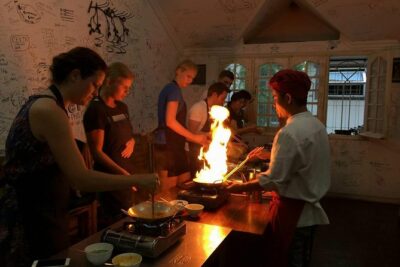
Chef Vu Cooking Class Plus Market Trip in Saigon Center (Pick up by Cyclo)
Read our review →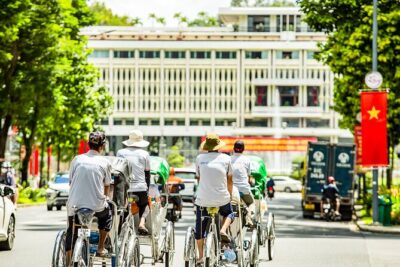
Small-group Saigon City Tour: 3-Hour Cyclo Ride to Hidden Stories
Read our review →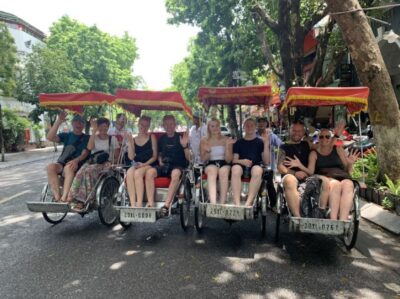
Small-group Saigon City Tour: 1-day Must-See Icons & Cyclo Ride
Read our review →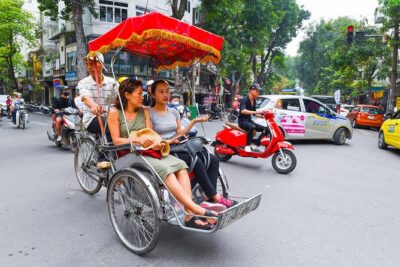
Small-Group Street Food Cyclo Tour of Hanoi Old Quarter
Read our review →
Private Tour: Hanoi City Tour Including Water Puppet Show and Cyclo Ride
Read our review →Where else this ride shows up