
REVIEW · NIGHT AND SUNSET TUK TUK TOURS
Kathmandu Sunset Tour by Rickshaw Including Durbar Square Visit
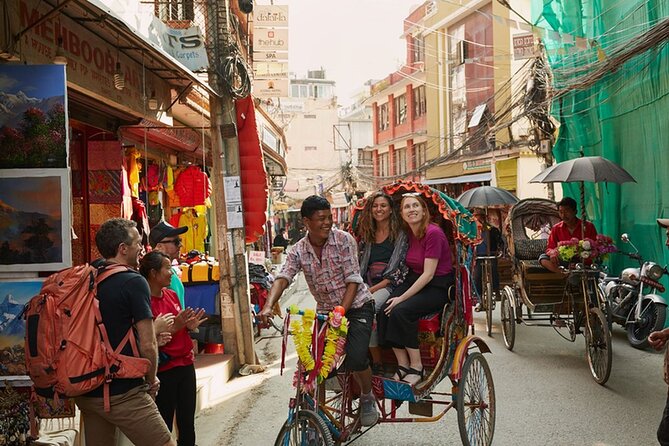
Kathmandu gets especially interesting when you leave the main tourist streets. This evening rickshaw ride carries you from Thamel through Asan market and narrow back lanes to Kathmandu Durbar Square, where temple silhouettes, food stalls, and early nightlife create a memorable first look at the city. I like the mix of moving through the city and stopping to walk around its sacred places. I also like that the ride uses local rickshaw drivers and includes the Durbar Square entrance fee.
The main consideration is timing. Some lanes and monuments may be dim after sunset, and the tour overlaps with parts of a standard Kathmandu city tour. The ride back ends at Hotel Marshyangdi, and if you need onward transport, agree on the fare before setting off.
Key points at a glance
- Asan market after dark: Ride past Kathmandu’s oldest food market, where spices, vegetables, clothing, electronics, and small shrines share the same crowded lanes.
- A close look at Durbar Square: Spend about 85 minutes on foot among more than 50 temples, shrines, courtyards, and palace buildings.
- A small group of up to 12: The limited size gives your guide a better chance to explain what you are seeing and answer questions.
- Guides who add warmth: Nikita and Sanjeeb have been singled out for clear explanations, friendly manner, and genuine interest in sharing Kathmandu.
- A useful first evening: The 6:00 pm start lets you get your bearings in central Kathmandu while seeing the city shift from daytime trade to nighttime activity.
- A locally minded ride: The tour hires rickshaw drivers directly, supports cultural preservation through the entrance fee, and is operated as a carbon-neutral experience by a B Corp certified company.
Why this rickshaw ride works well in Kathmandu
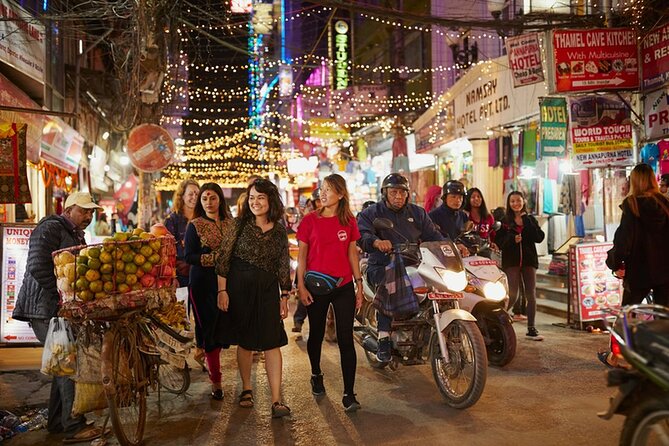
Kathmandu can be hard to read at first. Thamel is easy enough to find, but once you turn into the older central districts, the streets become tight, crowded, noisy, and full of sudden turns. A rickshaw gives you a slow-moving seat above the street while someone else handles the route.
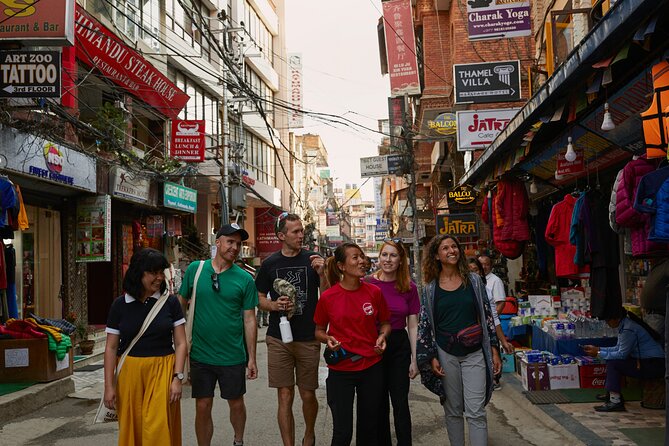
That pace matters. You are not sealed inside a bus or rushing between sights on foot. You can look down a side lane, notice a bakery or spice stall, and watch motorbikes, pedestrians, vendors, and temple worshippers share the same few feet of pavement.
I especially like the way this tour combines two kinds of sightseeing. The rickshaw covers more ground than a walk, while the pause at Kathmandu Durbar Square gives you time to explore on foot. That makes the 2.5-hour schedule feel varied rather than like one long ride.
The group limit is 12 people. That is still large enough to have a social feel, but small enough for a guide to point out details without using a microphone or leaving you far behind. Guides such as Nikita and Sanjeeb have been praised for making the history and religious sites easy to follow, so the quality of the guide will shape much of the experience.
More Rickshaw Tours in the world:
- Tokyo Asakusa Rickshaw Tour
★ 5.0 · 1,375 reviews - Bruges: Guided Rickshaw Tour
★ 4.9 · 1,199 reviews - Old Delhi Food, Heritage&Cultural Walk with Rickshaw ride to Masterji Kee Haveli
★ 5.0 · 742 reviews
Starting in Thamel at 6:00 pm
You meet at Hotel Marshyangdi on Chaksibari Marg at 6:00 pm. The hotel is in Thamel, Kathmandu’s main tourist district, surrounded by hotels, restaurants, shops, spas, clubs, and travel businesses.
Thamel is a practical starting point. If you are staying nearby, you can walk to the meeting point, then leave the familiar tourist zone almost at once. The first 15 minutes take you from Thamel toward Asan, giving you a quick look at the change from souvenir shops and eateries to older commercial lanes.
The rickshaw is not a luxury vehicle. Its value is access and atmosphere. You sit close to the street, hear the horns and voices, and get a clear view of shopfronts and passing pedestrians. Kathmandu traffic can be unruly, and the driver’s skill matters. One guide and driver team was praised for handling uneven, crowded streets with care.
At this hour, the light should be fading. That can work in your favor, since Kathmandu’s street activity begins to take on a different feel as shops remain open and evening food trade gets going. It can also make details harder to see, especially in unlit lanes. Keep your expectations realistic: this is an atmospheric city ride, not a bright, fully illuminated sightseeing circuit.
Asan market, spices, shrines, and tight lanes
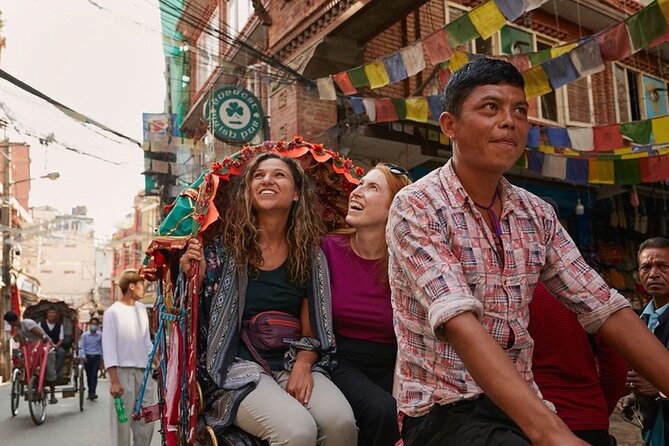
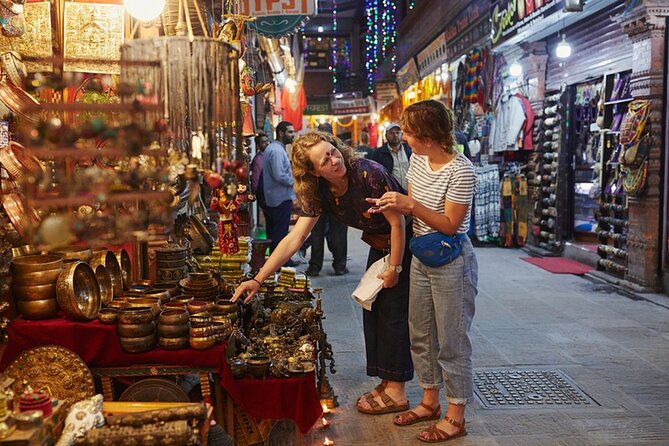
The longest riding section takes you through Asan, the historic market at the heart of Kathmandu. The market is known for spices, herbs, vegetables, clothing, electronics, and almost anything else people might need. It is a working market, not a preserved set for tourists.
That is one of the strongest parts of the experience. You see Kathmandu as a place where religious sites sit beside ordinary commerce. A shop selling food or household goods may be next to a shrine, and a narrow lane may carry both a delivery bike and a procession of worshippers.
Your guide points out Annapurna Temple, linked with abundance and food. The name is explained through Anna, meaning food, and Purna, meaning fulfilment. You also stop near Seto Machindranath, known as Janabaha Dyo, a deity honored by both Hindus and Buddhists in Kathmandu.
Another important stop is Aakash Bhairab, associated with King Yalambar, the first king in Nepal Bhasa tradition. These short pauses give you context that would be easy to miss from a moving vehicle. You are not simply passing old buildings. You learn why certain shrines matter and how religious life is woven into the market streets.
The tradeoff is that Asan can be crowded and noisy. You may not always have a clear view from the rickshaw, and the route can feel hectic. That is part of the point, but it may not suit you if you want a quiet ride or a slow architectural study.
Walking through Kathmandu Durbar Square
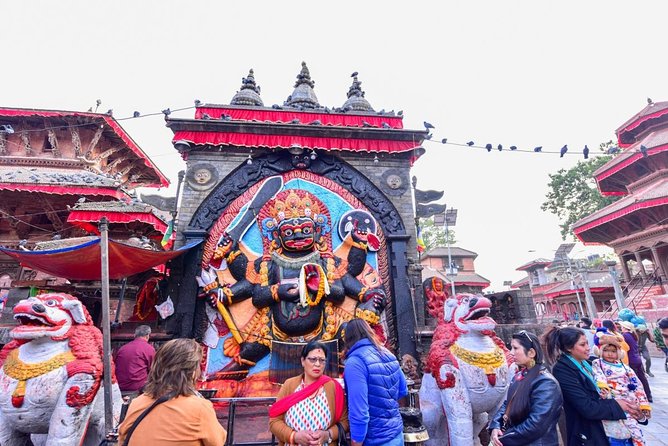
After riding through Asan, you reach Kathmandu Durbar Square and leave the rickshaw for a longer walk. About 85 minutes are set aside here, making this the main historical stop.
The square contains more than 50 temples and shrines in a compact area. Palaces, courtyards, wooden temples, and ceremonial buildings reflect centuries of Kathmandu’s royal and religious life. The complex served as the seat of the Malla kings from the 12th through the 18th centuries.
Your guide helps you connect the buildings to the city’s past rather than simply pointing out photo spots. Look for carved wood, layered roofs, courtyards, and small shrines that can appear modest beside the larger temples. The scale of the area rewards a slower pace, especially after the busy ride through the market.
Gaddhi Baithak provides an unusual contrast. The white building has a European influence and was built during the Rana period. Its balcony is still used for ceremonial programs. Its presence among older wooden temples gives you a quick visual lesson in the different periods that shaped Kathmandu.
You also have time to sit on a bench and watch local life. Food stalls, shops, and people moving through the square keep it from feeling like a silent monument. The tour includes the entrance fee, so you do not need to arrange that separately.
The square has suffered damage from the 2015 earthquake, and the supplied details do not specify the current condition of every structure. Some buildings may be under repair or look different from older photographs. That does not reduce the importance of the visit, but you should come ready for an active heritage site rather than a perfectly restored complex.
The itinerary also refers to atmospheric temples and a Buddhist Sigal Shrine visit. The exact timing of that shrine stop can depend on the guide and the evening route, so ask your guide where it fits if it is a priority for you.
More Night Tuk Tuk Tours in the world:
- Bangkok by Night: Temples, Markets and Food Tuk-Tuk Tour
★ 5.0 · 3,752 reviews - Bangkok: Markets, Temples and Food Night Tour by Tuk Tuk
★ 4.9 · 2,371 reviews - Battambang: Tuk-Tuk, Bamboo Train, Killing/Bat Caves, Sunset
★ 4.9 · 1,436 reviews - Battambang Tuk Tuk tour: Bambootrain, Killing & Bat Caves,Sunset
★ 5.0 · 799 reviews
Freak Street, chai, and the evening mood
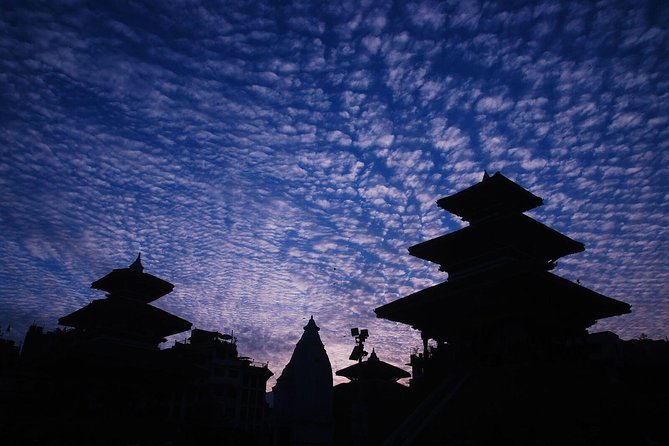
Inside the Durbar Square area, you can explore Freak Street, the old counterculture district associated with Kathmandu’s 1960s hippie era. Today, shops and food places offer a more ordinary setting, but the name points to a distinct chapter in the city’s modern tourist history.
You may also have time for chai from a local vendor or pub. Food and drinks are not included, so bring some Nepalese rupees if you want to buy something along the way. The tour is not built around a meal, but a warm cup of chai can make the walking stop more comfortable in the evening.
Festival timing can change the feel of the whole outing. Drums, chanting, dancing, and large local crowds have made the ride especially memorable for some people. That is a bonus rather than a guaranteed feature, since the tour does not promise a festival on a particular date.
The evening setting is the reason to choose this tour over a daytime market walk. Temples take on a different shape in fading light, and Kathmandu’s nightlife begins to stir as you leave the market area. The downside is that photography becomes less predictable, and small details may not show clearly.
The ride back through Kathmandu
After the walking portion, you board the rickshaw again and return to the original meeting point. The route back brings more horns, motorbikes, vendors, and pedestrians. By now, you should have a better sense of the city’s central districts, so the return ride feels less like an introduction and more like a final pass through a place you have begun to understand.
The tour ends back at Hotel Marshyangdi. This is convenient if you are staying in Thamel or have dinner plans nearby. It is less convenient if you are staying farther away and expected a hotel drop-off.
One practical point deserves attention. A past participant needed help getting back to a hotel because Kathmandu’s lighting was poor at night. The guide arranged a rickshaw, but you should agree on the price before leaving. Do not assume that a fare arranged informally will be fixed unless you confirm it clearly.
Is $50.30 a fair price?
At $50.30 per person, this is not the cheapest way to see central Kathmandu. You are paying for a private rickshaw seat, a local guide and driver, a small group capped at 12, the Durbar Square entrance fee, and a planned route through several districts.
The value is strongest if you are new to Kathmandu, have limited time, or want a gentle first evening without working out the route yourself. The guide adds meaning to shrines and monuments that could otherwise blur together, while the rickshaw lets you cover the distance between Thamel, Asan, and Durbar Square without a long walk.
The value is weaker if you already have a full Kathmandu city tour that includes Asan and Durbar Square. There is some overlap, especially around the main market and temple area. In that case, choose this ride for its evening mood and transport style, not because it covers entirely different sights.
The tour also has a useful local impact. Rickshaw drivers are hired directly, giving them income in a city where cars and motorbikes now dominate. The entrance fee supports access to Kathmandu Durbar Square and its cultural heritage. The operator describes the experience as carbon neutral and is certified as a B Corp.
Who should book this experience?
I would recommend it to first-time visitors who want a quick introduction to central Kathmandu without committing to a full-day tour. It also suits solo visitors who want a structured route during their first evening, couples looking for a distinctive ride, and families with older children who can manage a 2.5-hour outing.
Children under six can join free of charge. Most people can participate, but the tour includes uneven streets, crowded lanes, and a walk through the square. If you have mobility concerns, ask for specific arrangements before booking, since the provided details do not describe vehicle access or step-free routes.
You may want something else if your main goal is detailed museum time, a quiet temple visit, or a food-focused tour. You should also compare routes if you have already booked a city sightseeing trip.
Practical details before you book
The tour lasts about 2 hours and 30 minutes and starts at 6:00 pm. Meet at Hotel Marshyangdi in Thamel, and expect to return there at the end.
The price includes the rickshaw hire, local guide and driver, and Durbar Square entrance fee. Food and drinks cost extra. A mobile ticket is provided, and confirmation is received at booking.
The group can include no more than 12 people. Free cancellation is available if you cancel at least 24 hours before the local start time. Cancellations or changes made within 24 hours are not accepted for a refund.
Should you book the Kathmandu sunset rickshaw tour?
Book it if you want to get your bearings fast while still seeing Kathmandu at street level. The best features are the ride through Asan’s working market, the chance to explore Durbar Square on foot, and the friendly local guidance associated with guides such as Nikita and Sanjeeb.
Skip it if you already have the same central Kathmandu sights covered or if you need a strongly lit, highly structured monument tour. For a first evening in the city, though, the combination of rickshaw, market lanes, shrines, chai, and Durbar Square makes the $50.30 price reasonable, especially with the entrance fee and small-group format included.
FAQ
Where does the Kathmandu Sunset Tour start?
The tour starts at Hotel Marshyangdi on Chaksibari Marg in Kathmandu.
What time does the tour begin?
The tour begins at 6:00 pm.
How long does the tour last?
The experience lasts approximately 2 hours and 30 minutes.
Where does the tour end?
The tour ends back at the original meeting point, Hotel Marshyangdi.
Is the Durbar Square entrance fee included?
Yes. The entrance fee for Kathmandu Durbar Square is included in the tour price.
Are food and drinks included?
No. Food and drinks are not included, so you pay separately for items such as chai or other refreshments.
How many people can join the tour?
The tour has a maximum of 12 participants. Children under six are permitted to join free of charge.
Just added around the world
- Tuk Tuk City tour with ramesh jodhpur.★ 5.0 · 18 reviews
- TUK TUK MAPUTO CITY TOUR★ 4.3 · 72 reviews
- Tuk Tuk Coastal Tour★ 5.0 · 10 reviews
- Tuk Tuk Funchal City – Madeira Island★ 4.8 · 3 reviews
- Trang: City Tour By Tuk Tuk★ 5.0 · 2 reviews
- Trusty Tuk Tuk★ 5.0 · 4 reviews
- Lisbon: Private Tuk-Tuk Tour★ 5.0 · 56 reviews
- Trip with Local tuk tuk to Country side & Pepper farm…★ 5.0 · 13 reviews
Night and Sunset Tuk Tuk Tours, compared.
Bangkok by Night: Temples, Markets and Food Tuk-Tuk Tour
Read our review →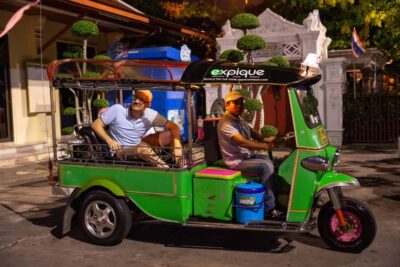
Markets, Temples and Food Night Tour by Tuk Tuk
Read our review →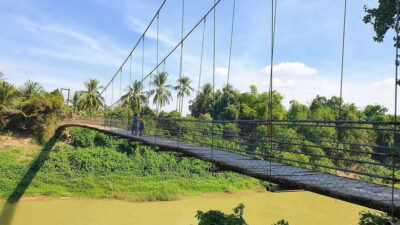
Tuk-Tuk, Bamboo Train, Killing/Bat Caves, Sunset
Read our review →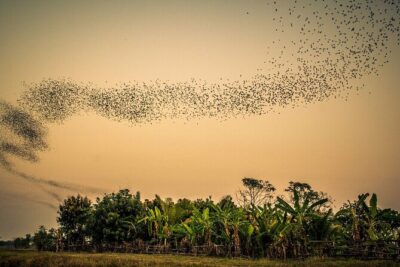
Battambang Tuk Tuk tour: Bambootrain, Killing & Bat Caves,Sunset
Read our review →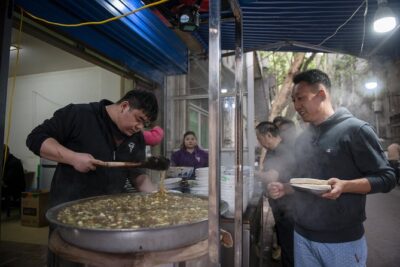
Evening Tour with Wat Arun, Wat Pho & Tuk Tuk Ride
Read our review →
Bangkok Tuk-Tuk Tour by Night with Chinatown Street Food Meal
Read our review →
Where else this ride shows up