
REVIEW · RICKSHAW TOURS
Kathmandu Food & Drink and Shopping Rickshaw Tour
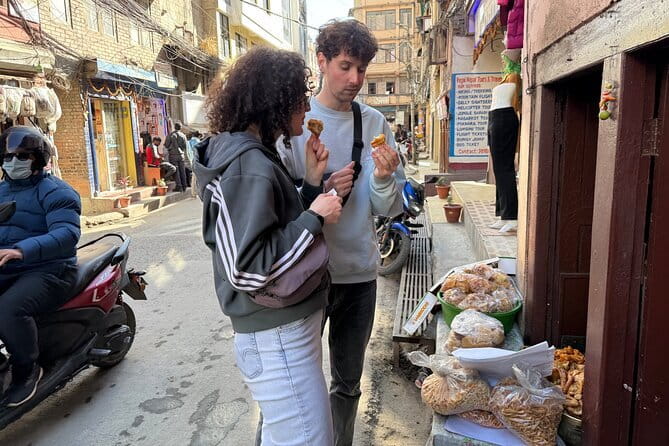
Kathmandu’s food scene is best understood one small plate at a time, and this tour gives you a lively way to get started. You ride a rickshaw through central neighborhoods, then walk between local eating spots for momos, snacks, drinks, and a larger meal at the end. Guide Deepak Kushwaha leads the experience and explains what you are eating as you go.
I like the combination of rickshaw sightseeing and food tasting, since it gives you a quick feel for several parts of Kathmandu instead of keeping you in one restaurant. I also like the shopping element: you can look for local tea and spices while getting help from someone who knows the area. The main consideration is the pace and group size. The tour can accept up to 100 people, so the experience may feel less personal on a busy day.
Key points at a glance
- A rickshaw ride begins the experience: Use the ride to get your bearings before the walking food portion.
- Four central Kathmandu areas are included: Thamel, Asan, Jyatha, and Chhetrapati each offer a different feel.
- Deepak Kushwaha leads the tour: He explains the food and culture and has helped some guests with later bookings and plans.
- Expect several tastings, not one restaurant meal: The route can include five or six food stops, followed by a larger meal.
- Tea and spice shopping adds practical value: You can buy local products with guidance on what you are seeing.
- The $25 price covers a lot: Food, drinks, water, snacks, and the rickshaw ride are included, while tips and personal purchases are extra.
Why this food tour works well in Kathmandu
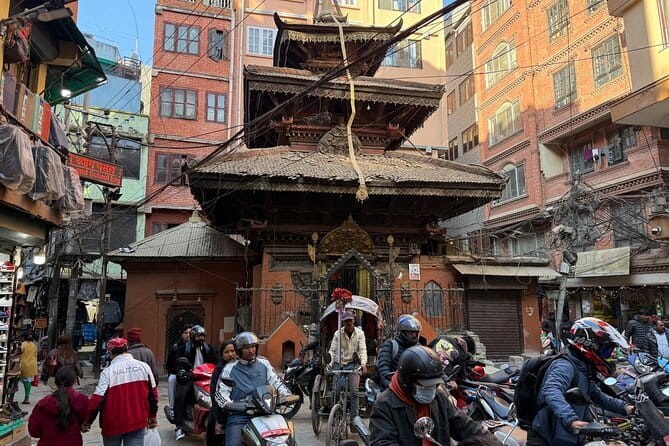
Kathmandu can feel confusing at first. Streets twist around one another, food stalls appear beside old courtyards, and a restaurant that looks modest from the outside may serve something memorable. A food tour gives you a reason to walk into places you might otherwise pass by.
This experience is particularly useful early in your stay. The route moves through Thamel, Asan, Jyatha, and Chhetrapati, so you get a basic map of central Kathmandu along with a first taste of local food. It is not a formal sightseeing tour built around monuments. Its strength is the everyday side of the city: small eating places, markets, narrow streets, and the people who prepare the food.
The opening rickshaw ride is a good touch. You get to see the area from a seated vehicle before beginning the walking section. That makes the tour feel more like a short introduction to Kathmandu than a simple meal crawl.
Deepak Kushwaha is the named guide for the experience. His role goes beyond ordering food. He explains the names of dishes, describes their place in Nepali culture, and can help you understand what you are buying in the markets. He has also assisted some people with other bookings and travel plans, which can be useful if you are still arranging your time in Nepal.
More Rickshaw Tours in the world:
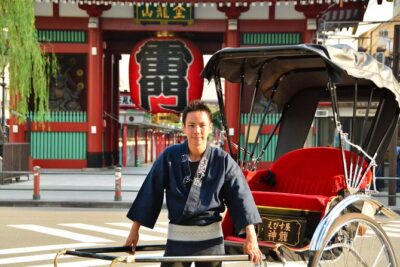
- Tokyo Asakusa Rickshaw Tour
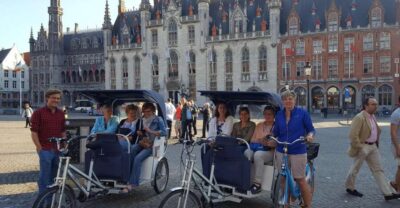
★ 5.0 · 1,375 reviews - Bruges: Guided Rickshaw Tour
★ 4.9 · 1,199 reviews - Old Delhi Food, Heritage&Cultural Walk with Rickshaw ride to Masterji Kee Haveli
★ 5.0 · 742 reviews
Thamel: a lively first look at Kathmandu
The tour begins at Kaiser Library on Kanti Path, then heads toward Thamel. The Thamel portion lasts about an hour, making it the longest early stop.
Thamel is a practical place to start because it brings together food, shopping, hotels, bars, cafés, and travel services in a compact area. You will see a mix of local life and tourism rather than a purely residential neighborhood. That mix is part of the point. Thamel shows you how Kathmandu serves both its own residents and people passing through on larger journeys.
Here, Deepak can set the tone for the food portion. You may begin with small dishes and drinks before moving on to more substantial plates. The idea is to sample rather than fill up at the first stop, though you should still arrive hungry.
The Thamel section also gives you time to ask questions. If a dish is unfamiliar, ask about its ingredients, how it is normally eaten, and whether it is mild or spicy. The guide’s explanations are one of the stronger parts of this tour, especially for solo visitors who want conversation as well as food.
The drawback is that Thamel can be crowded and busy. You should expect traffic, foot traffic, and plenty of commercial activity. If you want a quiet, highly local meal away from tourist services, this first area may not be your favorite part. Its value comes from orientation and variety.
Asan: markets, ingredients, and shopping
The Asan section lasts about 30 minutes. This is where the shopping side of the tour becomes more useful.
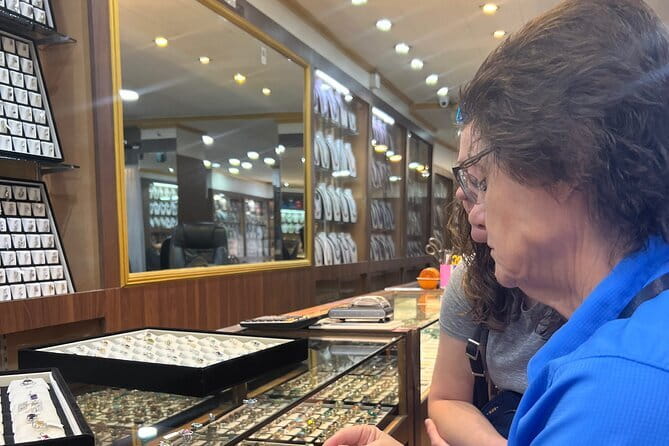
Asan is associated with market activity, and the stop gives you a chance to see ingredients and goods used in daily life. The experience includes the chance to buy authentic tea and spices. Those purchases are not included in the $25 cost, but they can turn the tour into something you take home and use.
I would wait before buying anything until you have seen the full route. You may find tea, spices, or other products at more than one place, and an explanation from Deepak can help you decide what interests you. Since the tour includes personal expenses separately, keep some money available if you plan to shop.
This stop is also a useful reminder that Nepali food is not just a collection of restaurant dishes. Ingredients, preparation, and markets are part of the culture. Even if you do not buy anything, looking at what is sold and asking how it is used adds context to the tasting.
Thirty minutes is enough for a short introduction but not a long market visit. If shopping is your main goal, you may want to return later on your own. On the tour, food remains the priority.
Jyatha: small dishes and local food talk
The Jyatha portion also lasts around 30 minutes. Like Thamel and Asan, it is covered with a guide rather than as free time.
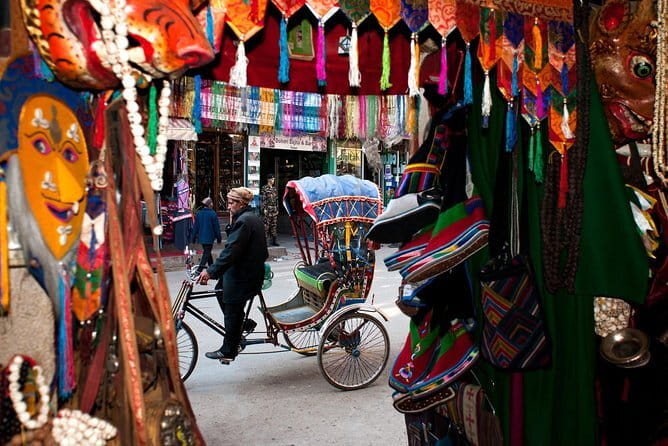
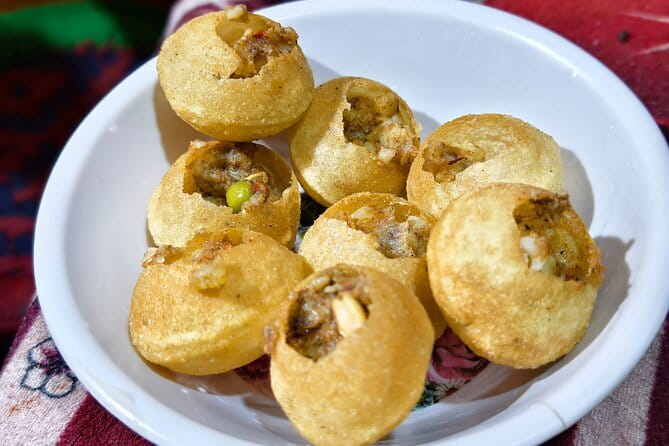
This section focuses on food stops and the local eating scene. You might try smaller portions here, which is important because the tour continues for several hours. The guide identifies the dishes and gives descriptions so you know what you are eating instead of simply receiving an unexplained plate.
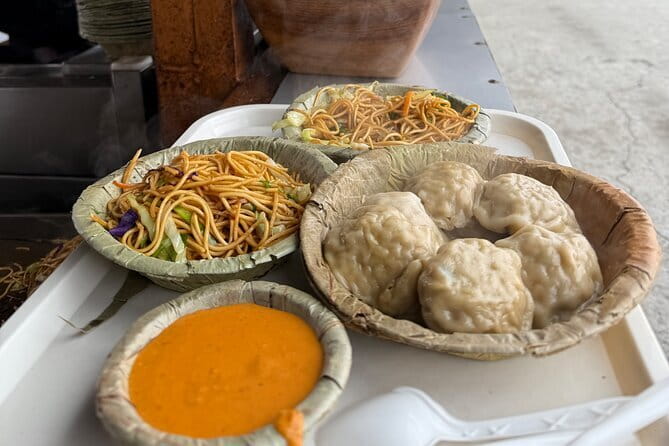
Momos are one of the foods mentioned specifically by people who enjoyed the tour, with vegetable momos receiving particular praise. These dumplings are a natural fit for a tasting route because they are easy to share and compare with other dishes. You may also encounter other Nepali snacks and drinks, but the exact food selection can vary.
The strongest reason to value Jyatha is the chance to try places you might not choose on your own. A short stop can remove the guesswork. You do not need to read a menu in an unfamiliar setting, wonder how much to order, or worry that you have chosen the wrong dish.
You should not expect a long, seated meal at every stop. This is a moving food tour, and the point is variety. If you prefer one relaxed dinner with a fixed menu, a restaurant reservation may suit you better.
More Shopping Tours in the world:
- Chef Vu Cooking Class Plus Market Trip in Saigon Center (Pick up by Cyclo)
★ 5.0 · 477 reviews - Authentic Thai Cooking with the Largest market visit &TukTuk ride
★ 5.0 · 350 reviews - Chiang Mai Temples and Market Tuk-Tuk Evening Night Tour
★ 4.5 · 201 reviews - Kampot: Tuk Tuk Trip to Pepper Farm, Kep, Crab Market & More
★ 4.9 · 143 reviews
Chhetrapati: finishing with a proper meal
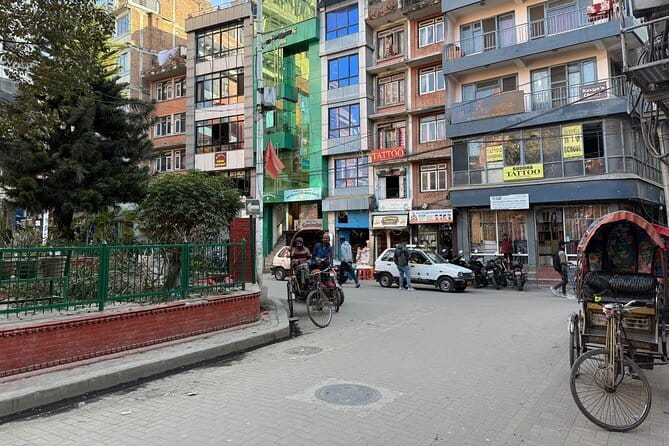
Chhetrapati receives about an hour, making it the other major section of the route. The neighborhood is described as historic, with narrow streets and old alleyways alongside modern daily life.
This is where the tour’s food progression makes sense. You may begin with small dishes, continue through several tasting stops, and finish with a larger meal. Several people have described ending the tour very full, so do not treat the included dinner or meal as a token sample.
The final meal is valuable because it gives you time to sit, eat, and talk after the earlier movement. It also means you can judge the tour as a full evening experience rather than a series of bites. Depending on the route and timing, the meal may be the point when you finally have room to think about which dishes you liked best.
The Chhetrapati streets may be more interesting to you than a standard restaurant district because the setting is part of the experience. You are moving through older lanes where daily routines continue around the food stops. Still, narrow streets and a moving group can be tiring, especially after several hours of eating. Comfortable shoes and a light appetite at the start will help.
What you are likely to eat and drink
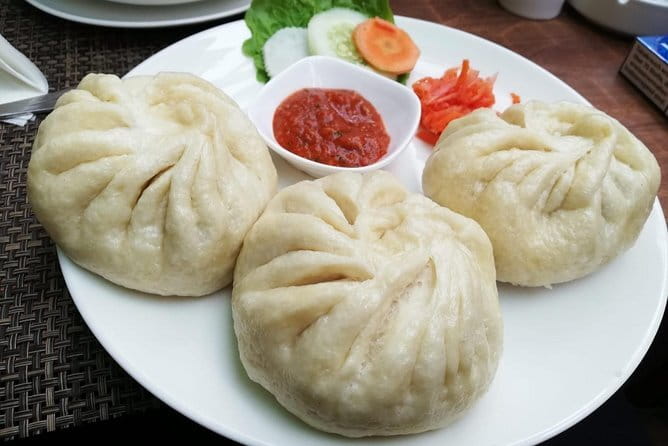
The inclusions list covers coffee or tea, dinner, snacks, lunch, bottled water, and the rickshaw ride. Listing both lunch and dinner suggests the food provision is substantial, though the exact schedule and dishes are not specified. You should think of this as a food-focused outing with several tastings and a full meal, not simply a guided walk with one snack.
The route has included five or six food places for some groups. That number matters because it gives you a wider sample of Nepali food than a single restaurant visit. It also means portions are likely to be spread out, although the total can still be considerable.
Vegetable momos are one specific dish associated with the experience. Other dishes will depend on the day, the restaurants, and the group. Deepak explains the names and descriptions, so you can ask about ingredients before eating.
The drinks appear to include tea or coffee and bottled water. Alcohol is not listed as an inclusion, so you should not assume it is part of the tour. Personal expenses are separate, including anything you choose to purchase in the market.
If you have dietary restrictions, the supplied information does not confirm specific accommodations. You can ask the guide before booking or at the start, but do not assume every dish can be changed.
The guide makes the difference
A food tour is only as useful as its guide. Deepak Kushwaha is central to this experience because he connects the dishes to the neighborhoods and local customs.
His role includes explaining the food, arranging timing at restaurants, and keeping the route moving. One especially useful detail is that he has called ahead so food arrives at the right time. That matters on a short tour. You do not want to spend half the evening waiting for every plate.
His conversational style also suits people traveling alone. The group format gives solo visitors a chance to meet people from different countries, while Deepak provides a local point of connection. If you like asking questions, this is the kind of tour where you should speak up rather than simply follow along.
The group limit is listed as 100 people. That is a large possible maximum for a food walk, and it is the main reason I would set expectations carefully. You may have a smaller group, but the booking information does not guarantee one. A large group can make restaurant seating, street crossings, and conversation less intimate.
Is $25 good value?
At $25 per person, the tour is priced reasonably if you want food, transportation, and an introduction to central Kathmandu in one outing. The cost includes the rickshaw ride, snacks, drinks, bottled water, and a meal. That is more useful than paying only for a guided walk and then buying food separately.
The value improves if you are new to Nepali cuisine. You get help choosing dishes, explanations of what you are eating, and access to several places rather than having to research each one yourself. The shopping advice adds another layer, especially if tea and spices are on your list.
The price does not cover personal expenses, tips, or private pickup and drop-off. You need to meet at Kaiser Library, at P878+H4G on Kanti Path, Kathmandu 44600, and the tour returns to that meeting point. Pickup is offered in the general tour information, but private transportation pickup and drop-off are specifically excluded, so confirm the arrangement before setting out.
For a three-hour experience, the cost is a good fit for people who would otherwise spend money on dinner and a short sightseeing ride. It is less compelling if you want a private guide, a quiet high-end meal, or a shopping trip with lots of free time.
Timing, comfort, and practical details
The tour lasts about three hours. The stated route allocates one hour to Thamel, 30 minutes to Asan, 30 minutes to Jyatha, and one hour to Chhetrapati. That adds up to the full tour and shows how much time is spent in each area.
You should arrive hungry but not starved. The first tastings may be small, and the larger meal comes later. At the same time, the total amount of food can leave you very full, so a heavy meal immediately beforehand would work against you.
Wear shoes suited to walking on city streets and older lanes. The tour includes a rickshaw ride, but it is not a ride-only experience. You will walk between food stops and markets.
The activity is near public transportation, and most people can participate. The information does not describe specific accessibility arrangements, so anyone needing particular support should confirm details before booking.
Confirmation is provided when you book. The cancellation policy is simple: cancel at least 24 hours before the local start time for a full refund. Cancellations or changes inside that window are not refunded or accepted.
Who should book this tour?
I would recommend it to first-time visitors who want a quick introduction to Kathmandu food and central neighborhoods. It also suits solo visitors, since Deepak’s conversational approach and the group setting can make the evening more social.
Food-curious people will get the most from it. You should be willing to try unfamiliar dishes, walk through busy streets, and eat several times rather than waiting for one polished restaurant meal.
It is also a good match if you want to shop for tea or spices but do not know where to begin. The tour gives you local context before you spend money.
I would think twice if you need a private, quiet, carefully timed experience. The possible group size is large, the route is active, and the food selection is not fixed in the information provided. People with strict dietary needs should also confirm options ahead of time.
Should you book the Kathmandu rickshaw food tour?
Book it if you want an affordable first taste of Kathmandu, several Nepali food stops, and a guide who can explain both the dishes and the neighborhoods. The combination of a rickshaw ride, walking tastings, a full meal, and tea or spice shopping gives you plenty for three hours.
The best reason to choose it is the range. You are not only eating, and you are not only sightseeing. You are learning your way around central Kathmandu through food, with Deepak Kushwaha helping you make sense of what you see and taste.
Skip it if you want a small private group, a guaranteed fixed menu, or a slow market-shopping session. Otherwise, $25 is a fair price for a substantial introduction to Nepali food and city life.
FAQ
How long is the Kathmandu Food & Drink and Shopping Rickshaw Tour?
The tour lasts approximately three hours.
Where does the tour begin?
It begins at Kaiser Library, P878+H4G, Kanti Path, Kathmandu 44600, Nepal.
Where does the tour end?
The activity ends back at the meeting point.
Which Kathmandu neighborhoods are included?
The route includes Thamel, Asan, Jyatha, and Chhetrapati.
Is a rickshaw ride included?
Yes. The rickshaw ride is included in the tour.
What food and drinks are included?
The inclusions list includes coffee or tea, dinner, snacks, lunch, and bottled water.
Are tips, personal purchases, and private transfers included?
No. Personal expenses, tips or gratuities, and private transportation pickup and drop-off are not included.
Just added around the world
- Tuk Tuk City tour with ramesh jodhpur.★ 5.0 · 18 reviews
- TUK TUK MAPUTO CITY TOUR★ 4.3 · 72 reviews
- Tuk Tuk Coastal Tour★ 5.0 · 10 reviews
- Tuk Tuk Funchal City – Madeira Island★ 4.8 · 3 reviews
- Trang: City Tour By Tuk Tuk★ 5.0 · 2 reviews
- Trusty Tuk Tuk★ 5.0 · 4 reviews
- Lisbon: Private Tuk-Tuk Tour★ 5.0 · 56 reviews
- Trip with Local tuk tuk to Country side & Pepper farm…★ 5.0 · 13 reviews
Rickshaw Tours, compared.
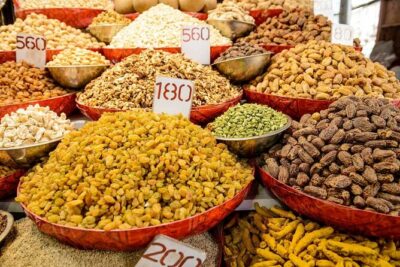
Old Delhi Food, Heritage&Cultural Walk with Rickshaw ride to Masterji Kee Haveli
Read our review →
Arashiyama Customized Rickshaw Tour & Bamboo Forest
Read our review →
Split by Private Electric Rickshaw – Palace & Hidden Gems
Read our review →
Where else this ride shows up