
REVIEW · RICKSHAW TOURS
Kathmandu: Food, Drink and Shopping Rickshaw Tour
Kathmandu reveals itself in motion on this three-hour rickshaw and walking tour. You roll out from Thamel, stop for Nepali food and drinks, then follow your guide through markets where spices, textiles, jewelry, and handmade souvenirs compete for your attention.
I like the mix of guided tasting and practical shopping help. I also like that Deepak Kushwaha does more than point out dishes. He explains what you are eating, answers questions clearly, and can help you remember the names afterward. The main drawback is that the schedule is broad rather than tightly itemized, so the exact food stops and shopping route may vary.
- Rickshaw start in Thamel: A fun way to cover nearby streets before continuing on foot.
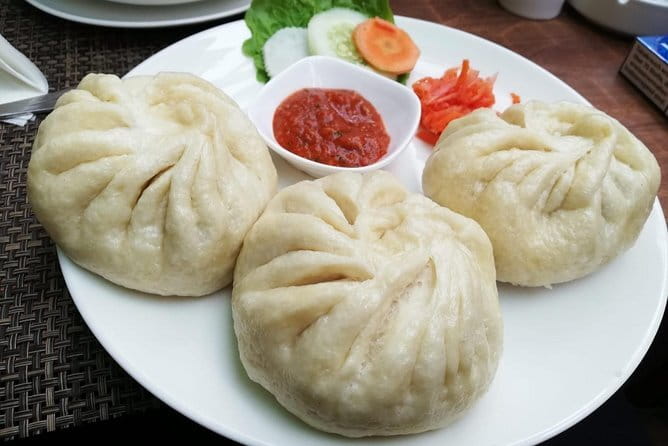
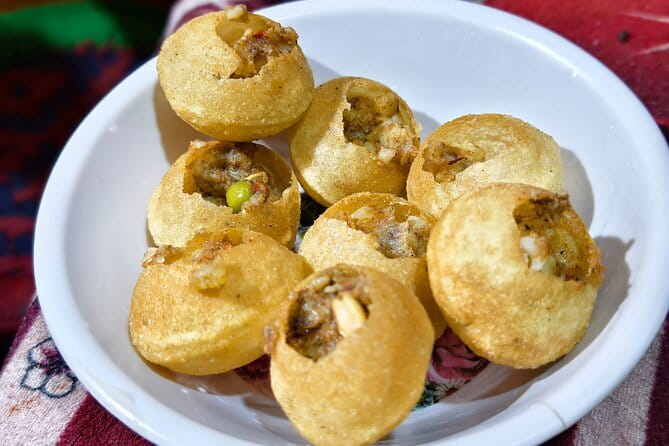
- Nepali tasting menu: Expect momos, pani puri, masala chiya, tea, and other local specialties.
- Shopping with context: Look for textiles, jewelry, spices, crafts, and useful souvenir advice.
- Deepak Kushwaha as guide: His explanations of dishes and cultural traditions are a major part of the experience.
- Small-group format: The pace is intended to feel personal and interactive rather than rushed.
- $30 price point: Strong value if you want food, transport, a guide, water, and market time in one outing.
Why This Tour Works as a First Kathmandu Outing
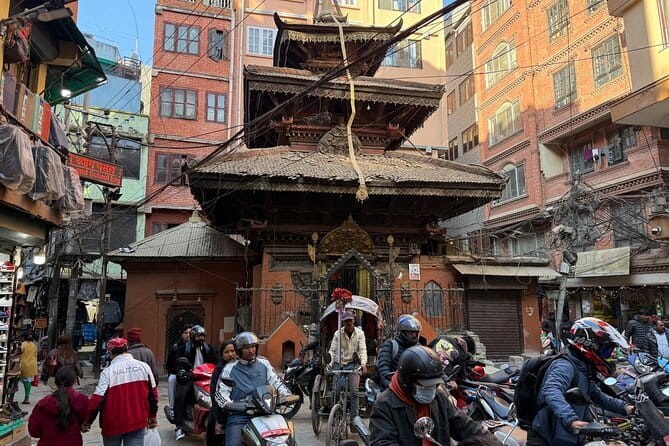
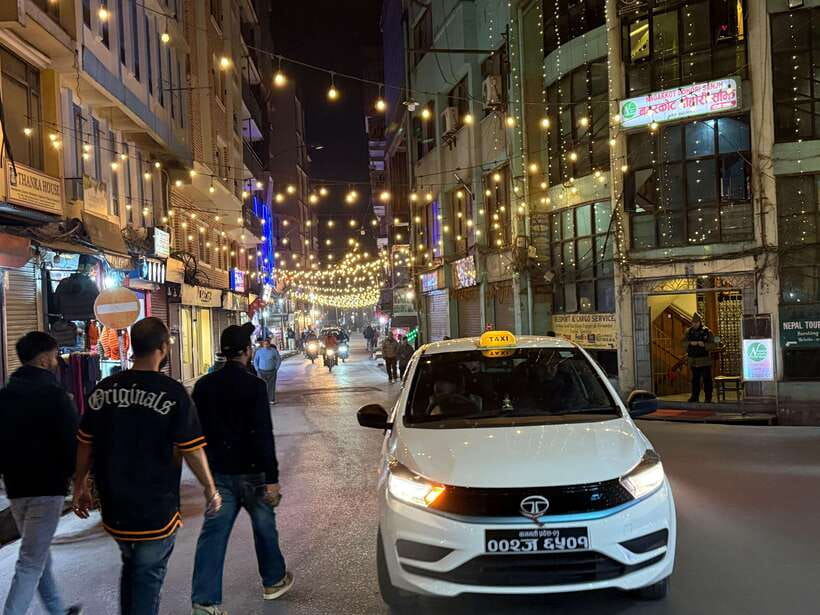
Kathmandu can feel like a lot at first. Thamel has narrow lanes, constant movement, shops with similar-looking goods, and food stalls that may be unfamiliar to you. A guide gives you a starting point, and the rickshaw adds a bit of fun while helping you see more than you would on a short walk.
This is not a formal monument tour. Its focus is everyday Kathmandu: what people eat, how local drinks are served, what goods appear in the markets, and how Nepali traditions connect to food. That makes it useful near the beginning of your stay, when you want a sense of place before exploring on your own.
The experience is also a good fit if you prefer a gentle pace. The stated duration is about three hours, with time for stops, photos, tastings, shopping, and conversation. You will not be expected to march from sight to sight.
Rolling Out From Thamel by Rickshaw
Pickup is in Thamel, with hotel pickup and drop-off available if your hotel is within the area. You should be ready in the lobby or near the entrance 10 minutes before the scheduled time. After booking, keep an eye on the contact number supplied with your voucher, since the guide may send updates by WhatsApp, text, or phone.
The rickshaw is the tour’s first small pleasure. Instead of starting with a lecture, you begin by moving through Kathmandu’s streets. The ride offers scenic views along the way and helps connect Thamel with the nearby areas visited during the outing.
Do not expect a private car or a quiet sightseeing vehicle. A traditional rickshaw puts you close to street life, and that is the point. You will see the city at street level before getting out to walk and taste.
The exact length of the ride is not specified, so treat it as one part of the experience rather than the main attraction. The food and market stops take up most of the three hours.
More Rickshaw Tours in the world:
- Tokyo Asakusa Rickshaw Tour
★ 5.0 · 1,375 reviews - Bruges: Guided Rickshaw Tour
★ 4.9 · 1,199 reviews - Old Delhi Food, Heritage&Cultural Walk with Rickshaw ride to Masterji Kee Haveli
★ 5.0 · 742 reviews
Momos, Pani Puri, and Masala Chiya
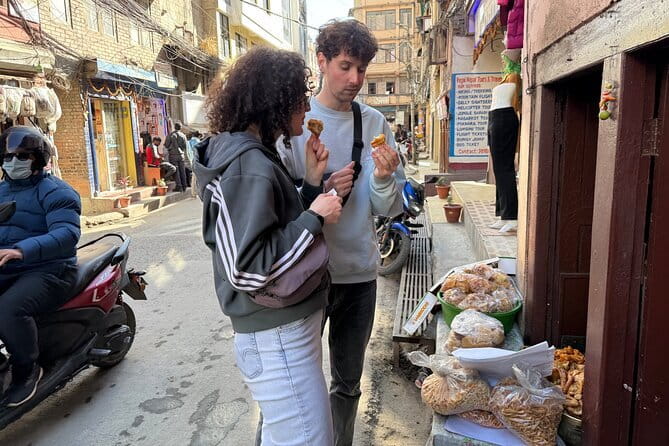
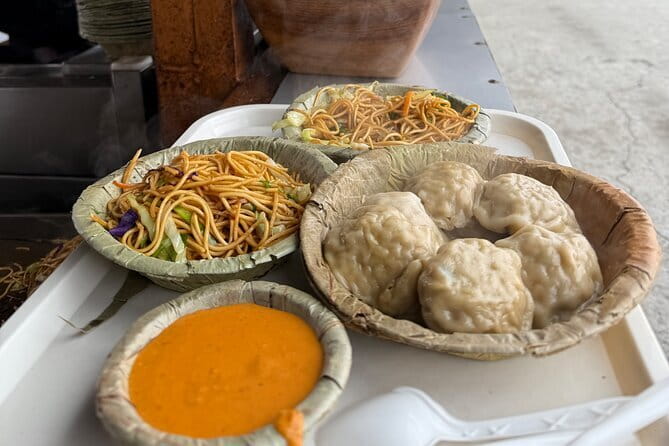
The tasting portion is built around familiar Nepali favorites and casual local food. Momos are a natural starting point. These dumplings are among Nepal’s best-known foods, and sampling them with a guide gives you a chance to ask about fillings, preparation, and the way they fit into local eating habits.
Pani puri brings a different texture and flavor. It is a small street-food bite, usually eaten quickly, and it works well on a walking food tour because you can try it without committing to a full meal. The guide’s role matters here: you can ask what you are eating and how it fits into the wider food culture.
Masala chiya and tea offer a calmer pause. The warm, spiced drink is a useful contrast to the savory snacks, and it gives you time to talk with the guide. Other drinks may include coffee, lassi, beer, wine, cocktails, spirits, or soft refreshments, but the included tasting details specifically name items such as masala chiya, tea, and local drinks. Do not assume every drink on the broad activity menu is included.
You are encouraged to arrive hungry. The experience includes food samples rather than a guaranteed full restaurant meal, so I would plan a light breakfast or lunch around it depending on your start time. The outing may include local snacks, regional food, dessert, or a meal-style stop, but the precise combination can depend on the day.
Tell the provider about dietary needs in advance. The information says suitable adjustments may be possible, but you should not wait until you are standing at the first food stop. If you have a serious allergy, ask for clear details before booking.
A Guide Who Adds Names and Meaning
Deepak Kushwaha is one of the most important reasons to consider this tour. His approach, as described by the experience, combines food explanations with stories about Kathmandu’s culture and traditions. That helps turn a list of snacks into a more useful introduction to Nepal.
One especially practical detail is that Deepak has sent participants the names of the foods they tried after the tour. That is a thoughtful service if you are likely to forget the difference between dishes or want to find them again later. It also makes the experience more useful beyond the three-hour outing.
You can ask questions throughout the route. The guide is expected to explain local dishes clearly, discuss the history and significance of food, and introduce specialties connected with different Nepali cultural groups, including Newari food. The information does not promise a fixed Newari tasting list, so consider it a possible part of the route rather than a guaranteed menu.
The tour offers guiding in Nepali, English, Hindi, Chinese, Japanese, Korean, Spanish, French, German, and Russian. Language availability can depend on the selected departure, so check when you book.
Walking Through Kathmandu’s Markets
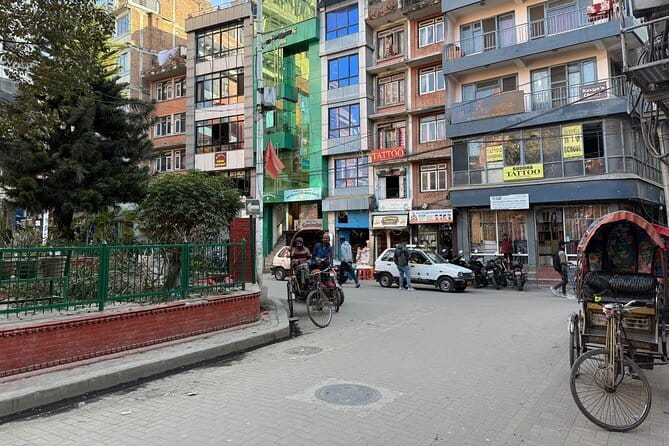
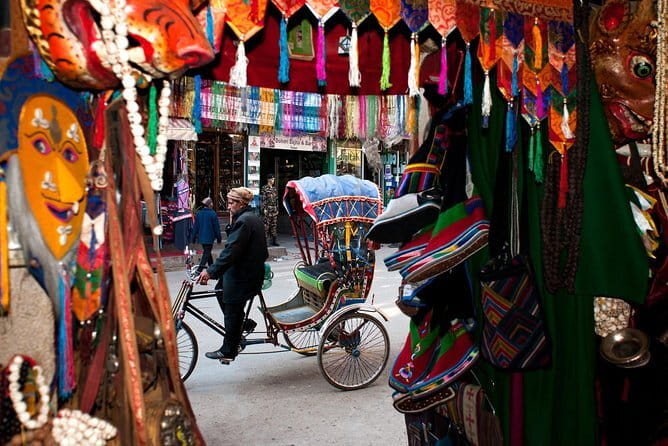
After the food stops, you spend time on foot in local markets and cultural areas. This is where the tour becomes more than a snack crawl. You can examine handcrafted souvenirs, jewelry, textiles, spices, and arts and crafts while your guide explains what you are seeing.
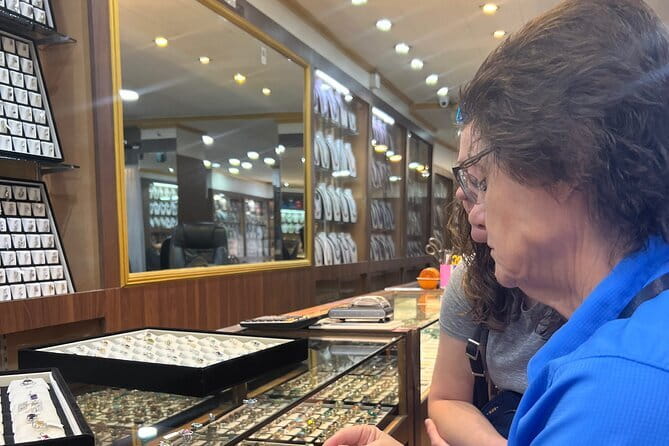
Shopping in Kathmandu is easier when you know what you want. A guide can help you compare goods, understand local shopping habits, and avoid buying the first item that catches your eye. The tour includes time to browse and a chance to purchase items, but the purchases are your responsibility.
The shopping stop is also a chance to see how Kathmandu works beyond its famous sights. Markets bring together practical goods, religious objects, clothing, food ingredients, and small gifts. You might find something distinctive, but you should allow yourself time to look rather than feeling pressure to buy.
I would carry a small amount of spending money and keep valuables secure. The tour includes bottled water, but not personal purchases, extra snacks, or drinks beyond the included tastings.
More Shopping Tours in the world:
- Chef Vu Cooking Class Plus Market Trip in Saigon Center (Pick up by Cyclo)
★ 5.0 · 477 reviews - Authentic Thai Cooking with the Largest market visit &TukTuk ride
★ 5.0 · 350 reviews - Chiang Mai Temples and Market Tuk-Tuk Evening Night Tour
★ 4.5 · 201 reviews - Kampot: Tuk Tuk Trip to Pepper Farm, Kep, Crab Market & More
★ 4.9 · 143 reviews
What the Three-Hour Pace Feels Like
The advertised schedule allows a relaxed pace, but you should still expect regular movement. You will ride, walk, stand at food stops, pause for photographs, and browse shops. Comfortable shoes matter more than stylish ones, and layered clothing is sensible because the weather can change.
The tour operates rain or shine. Bring a light rain layer if the forecast looks uncertain, and carry tissues or hand sanitizer for food stops. A reusable water bottle is useful, even though bottled water is provided.
Small groups are intended to keep the outing personal. That matters during a food tour because you can ask questions without shouting across a large group. It also helps during shopping stops, where a guide can respond to individual interests.
There is one point you should clarify before booking. The information describes the activity as wheelchair accessible in one place, but elsewhere says it is not suitable for wheelchair users or people with mobility impairments. Because a rickshaw ride, uneven streets, and walking-market stops may create practical limits, contact the provider directly and ask about your specific needs.
Is $30 a Good Value?
At $30 per person, the price is reasonable for a guided three-hour outing that combines transport, food tastings, drinks, bottled water, local guidance, and market visits. You are paying for several elements at once, not just a rickshaw ride or a plate of momos.
The value is strongest if you are new to Kathmandu and would otherwise spend money testing restaurants, finding markets, and arranging short rides separately. The guide can reduce guesswork, especially if you worry about what to order or how to approach shopping.
The value is less clear if you want a long, sit-down dinner or a detailed tour of major monuments. This experience is designed around samples and street-level discovery. Additional food, drinks, souvenirs, entry fees, and personal expenses are not included.
The reserve-now, pay-later option may help if your schedule is still moving around. Free cancellation is available up to 24 hours before the start for a full refund, subject to the booking terms. Check the departure time carefully, since starting times vary.
Who Should Book It
I would suggest this tour to first-time visitors who want an easy introduction to Nepali food and local shopping. It also suits anyone who enjoys learning through small bites, short walks, and conversation instead of a long museum visit.
Families with older children may like the variety, though the provider does not give a specific minimum age. Food-focused couples and solo visitors should also find the small-group setting useful, particularly if you want a friendly way to get oriented in Thamel.
You may want a different experience if you dislike street food, have severe dietary restrictions, or need a fully step-free route. The activity includes walking and market movement, and the accessibility information is inconsistent. Ask direct questions before paying.
Bring comfortable clothes, sturdy shoes, necessary medication, and hand sanitizer or tissues. Weapons, sharp objects, intoxication, alcohol and drugs, explosives, and nudity are not permitted.
Should You Book the Kathmandu Rickshaw Food Tour?
Book it if you want to taste several Nepali foods, see Kathmandu from a rickshaw and on foot, and shop with someone who can explain what you are looking at. Deepak Kushwaha’s food knowledge and follow-up help with dish names add real value, especially if this is your first day or two in the city.
Skip it if your main goal is a full meal, a major-sights tour, or a long private shopping session. For $30, though, the combination is appealing: a little transport, a lot of local flavor, and enough market time to help you begin exploring Kathmandu with more confidence.
FAQ
Where does the tour start and finish?
The tour starts in Thamel and returns to Thamel. Hotel pickup and drop-off are included when your hotel is within Thamel.
How long does the experience last?
The tour lasts approximately three hours. Starting times vary, so check availability when booking.
What food and drinks are included?
Included tastings may feature momos, pani puri, masala chiya, tea, and other local food and drinks. Additional food and drinks outside the planned tastings cost extra.
Who is the guide?
The experience provider is Deepak Kushwaha. Guiding is available in Nepali, English, Hindi, Chinese, Japanese, Korean, Spanish, French, German, and Russian, depending on the selected option.
What should I bring?
Bring comfortable shoes, comfortable clothing, personal medication, a reusable water bottle, and hand sanitizer or tissues. Layered clothing is recommended because the weather can change.
Can I join if I have dietary restrictions?
Yes, you should inform the provider about dietary needs in advance so suitable adjustments can be considered. Do not wait until the tour begins, especially if you have a serious allergy.
Is the tour suitable for wheelchair users?
The activity information gives conflicting accessibility details. One section says it is wheelchair accessible, while another says it is not suitable for wheelchair users or people with mobility impairments. Contact the provider before booking to confirm whether the route and vehicle fit your needs.
Just added around the world
- Tuk Tuk City tour with ramesh jodhpur.★ 5.0 · 18 reviews
- TUK TUK MAPUTO CITY TOUR★ 4.3 · 72 reviews
- Tuk Tuk Coastal Tour★ 5.0 · 10 reviews
- Tuk Tuk Funchal City – Madeira Island★ 4.8 · 3 reviews
- Trang: City Tour By Tuk Tuk★ 5.0 · 2 reviews
- Trusty Tuk Tuk★ 5.0 · 4 reviews
- Lisbon: Private Tuk-Tuk Tour★ 5.0 · 56 reviews
- Trip with Local tuk tuk to Country side & Pepper farm…★ 5.0 · 13 reviews
Rickshaw Tours, compared.
Old Delhi Food, Heritage&Cultural Walk with Rickshaw ride to Masterji Kee Haveli
Read our review →
Arashiyama Customized Rickshaw Tour & Bamboo Forest
Read our review →
Split by Private Electric Rickshaw – Palace & Hidden Gems
Read our review →
Where else this ride shows up