
REVIEW · TUK TUK FOOD TOURS
Dar es Salaam: Tuk-Tuk Tour, Street Food & Local Lifestyle
Dar es Salaam makes more sense from the back of a tuk-tuk, where traffic, markets, food stalls, and neighborhood life pass close enough to hear and smell. This four-hour outing takes you from Kariakoo Market to woodcarvers’ workshops and traditional homes at the Village Museum.
I like the mix of street food and cultural stops, and I like that Glory, one named guide, has been praised for adjusting the day to a guest’s needs. The main concern is pickup reliability: one recent booking reported no pickup and no reply, so confirm the meeting details before setting out.
Key points to know before booking
- Kariakoo Market puts daily Dar es Salaam in front of you: Expect spices, tropical fruit, household goods, and a fast-moving shopping scene.
- The food tasting is simple and local: Chapati, mishkaki, roasted maize, fresh juice, chai ya tangawizi, or coconut water may feature.
- Mwenge is a working craft market: You can watch artisans carve masks, furniture, and other wooden pieces.
- The Village Museum adds context: Traditional homes from different Tanzanian communities show how rural life and building styles vary.
- A tuk-tuk suits short city connections: It gives you an open view of the streets, though traffic and heat can affect comfort.
- Check the timing and pickup carefully: The advertised duration is four hours, while the listed stop times add up to five hours.
A city tour built around ordinary Dar es Salaam
This is not a monument checklist. Its appeal is the chance to see how Dar es Salaam works during an ordinary day, from people buying food at Kariakoo to artisans shaping wood at Mwenge.
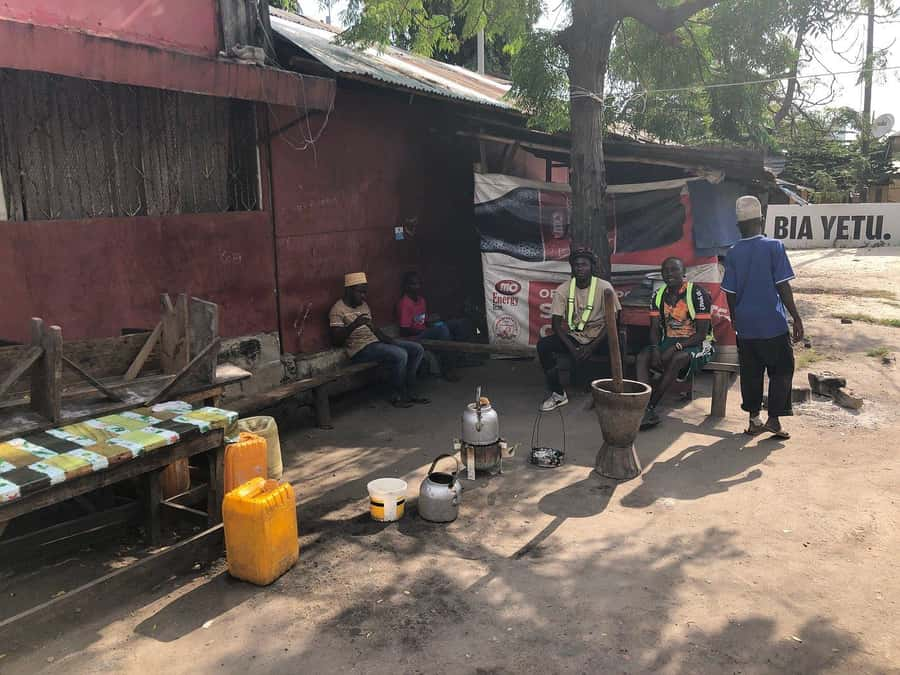
Your driver-guide collects you at your hotel in central Dar es Salaam, gives a short briefing, and then takes you through the city by tuk-tuk. The vehicle keeps the experience close to street level. You are not sealed behind glass, so you can watch shops, traffic, pedestrians, and food stalls as you go.
That closeness is also the tradeoff. Dar es Salaam can be hot, noisy, and crowded, and a tuk-tuk offers less shelter than a private car. Wear light clothing, bring sunscreen, and use the supplied bottled water. Sunglasses and a hat will help during exposed stretches.
The price is listed as $65 per group up to one person. That wording matters. If you are booking for more than one person, check how the final price changes before paying. For a solo guest, the fee covers four hours of transport, a local guide, street-food snacks and fresh juice, bottled water, and the Village Museum entrance. The value is strongest if you want a guide and several different stops rather than a simple ride around town.
More Tuk Tuk Food Tours in the world:
- Bangkok: Midnight Food Tour by Tuk-Tuk
★ 4.9 · 2,054 reviews - Bangkok: Michelin Guide Street Food Tour by Tuk Tuk
★ 4.4 · 1,274 reviews - Xi’an Evening Food Tour by TukTuk
★ 5.0 · 715 reviews
Kariakoo Market: the tour’s liveliest stop
Kariakoo is the place to watch Dar es Salaam shop for daily needs. The visit lasts about an hour and a half, giving you time to walk rather than simply pass through by vehicle.
Expect the sensory details first: spices, tropical fruit, fresh produce, voices, and the constant movement of people buying supplies. The market is useful because it shows the city as a working place, not a staged cultural display.
Your guide can help explain what you are seeing and keep the visit manageable. That matters in a market where signs, products, and customs may not be immediately clear to a first-time visitor. You can also shop, although personal purchases are not included in the price.
Keep your belongings secure and carry small amounts of cash. Cash is specifically recommended for this experience, and you may want it for food or souvenirs. The tour includes snacks and fresh juice, but additional meals and personal shopping cost extra.
The market may be the least polished part of the outing, but that is also its strength. If you want quiet streets and neat displays, Kariakoo may feel intense. If you want to see the practical side of city life, it is one of the most useful stops.
Chapati, mishkaki, and a taste of Swahili street food
The food stop gives the tour a welcome pause. You may try chapati, a flatbread commonly served across East Africa, along with mishkaki, grilled meat on skewers. Roasted maize and fresh juice may also be available.
The precise food selection can vary, so do not book this expecting a full restaurant meal. This is a snack tasting, not lunch. If you need a substantial meal, plan for that separately.
I like this part because food gives you a direct connection to local routines. A plate or skewer tells you something about what people eat between errands, work, and family commitments. The guide can also help you understand what you are ordering.
You should bring cash, and mention dietary needs before the food stop if you have them. The supplied information does not promise vegetarian, vegan, allergy-free, or halal arrangements, so do not assume a special menu is available.
A Swahili café stop comes later, with chai ya tangawizi, or spiced ginger tea, and fresh coconut water. It is a relaxed way to finish the food side of the experience. Alcohol is not included and is not allowed as part of the activity.
Mwenge Woodcarvers’ Market and the value of seeing work in progress
Mwenge Woodcarvers’ Market is scheduled for about an hour and a half. Here, the focus shifts from food and shopping to Tanzanian craft.
You can see artisans carving wooden masks, furniture, and souvenirs. Watching the work matters more than simply seeing finished objects on a shelf. It gives you a better sense of the time, skill, and handwork behind the pieces.
The market is also the main shopping opportunity on the tour. If you want a carved item, ask about the wood, the maker, and the practicalities of carrying it home. Personal shopping is not included, so budget separately.
You may find the sales atmosphere more direct than at a museum. Take your time, compare pieces, and do not feel pressured to buy. The guide is there to explain craft traditions and help you understand what you are seeing, but the final purchase is your decision.
This stop works well for anyone who wants a souvenir with a clear connection to Tanzanian art. It is less useful if you dislike shopping altogether, though the chance to watch carving still gives the visit a purpose beyond buying.
More Tuk Tuk Tours in the world:
- True 4Hour Private Tuk Tuk Tour: Discover Lisbon with a Local!
★ 5.0 · 8,008 reviews - Porto: Guided Tour by Tuk-Tuk & Optional Douro River Cruise
★ 4.5 · 5,980 reviews - Lisbon: Private Guided Tuk-Tuk Tour with Hotel Pickup
★ 4.9 · 4,552 reviews - Private Lisbon Sightseeing Tuk-Tuk Tour: Alfama, Belém & More
★ 5.0 · 4,277 reviews
The Village Museum and Tanzania’s many traditions
The Village Museum provides the clearest cultural context of the day. It presents traditional huts connected with different Tanzanian communities and offers insight into rural lifestyles, household arrangements, and heritage.
The word village can sound modest, but this stop is more than a quick photo break. The buildings help you compare how people lived in different parts of Tanzania and how local materials shaped construction. The guide can connect the structures with daily routines and community traditions.
The visit is listed as two hours, which is longer than the other individual stops. That suggests you should allow proper time for walking, explanations, and looking closely at the structures rather than rushing through.
The Village Museum also balances the city scenes earlier in the day. Kariakoo shows present-day commerce. Mwenge shows active craft production. The museum turns toward older ways of living and gives you a wider picture of Tanzania beyond Dar es Salaam.
The supplied information describes the tour as wheelchair accessible. If you use a wheelchair or have particular mobility needs, confirm the route and vehicle arrangements when booking, since the exact condition of paths and the tuk-tuk setup is not detailed.
What the tuk-tuk ride adds to the experience
The tuk-tuk is not just transport between stops. It shapes the day.
You get a closer view of the streets than you would from a larger tour vehicle. Short rides become part of the sightseeing, with neighborhood scenes appearing between the market, craft, museum, and café stops.
The vehicle can be practical in city traffic, but comfort depends on weather and road conditions. Bring sunglasses, a sun hat, sunscreen, and comfortable clothes. Comfortable shoes are important because Kariakoo and the Village Museum include walking.
The tour is private in the sense that the price is given per group up to one person, but the supplied details do not explain the maximum number of passengers in the tuk-tuk. If you are booking as a couple or family, ask how many people can ride comfortably and how the group price is calculated.
The minimum age is six. Children under six cannot join. Older children may enjoy the food and open-air vehicle, but the market can be tiring, and the tour has several stops with walking and standing.
Timing, pickup, and the practical details that matter
The experience is advertised as four hours, with morning and afternoon departures available daily. The listed stop durations are roughly 1.5 hours at Kariakoo, 1.5 hours at Mwenge, and 2 hours at the Village Museum. Added together, those times exceed four hours.
That is the clearest point to settle before booking. Ask the operator how long each visit actually lasts and whether the timing is approximate. This is especially important if you have a flight, ferry, cruise departure, or another fixed appointment.
Pickup is offered from hotels in central Dar es Salaam. Transfers outside central Dar es Salaam are not included. Confirm that your hotel is within the pickup area and get a clear pickup time and contact number.
A recent booking had a serious pickup problem, with the guest reporting that no one arrived and that there was no response about whether the pickup would happen. Another recent booking praised Glory for responding to personal wishes and creating an interesting, rewarding day. These two pieces of information point to a practical conclusion: the guide can make the experience excellent, but communication before departure deserves attention.
The advertised guide languages are English and French. One information note also refers to German, while another lists only English and French. If German guidance matters to you, confirm it directly rather than assuming it is guaranteed.
Cancellation is free up to 24 hours before the tour, and you can reserve now and pay later. Those terms help if your Dar es Salaam plans are still shifting. Still, flexible booking does not replace confirming the pickup arrangements.
Who will get the most from this tour
This outing suits you if you want a broad first look at Dar es Salaam in a short block of time. You get food, shopping, city streets, craft, and cultural displays without arranging separate transport for each stop.
It is especially useful for solo visitors who want a local guide and for anyone who prefers everyday places to formal sightseeing alone. The named guide Glory has been praised for adapting to individual needs, which is encouraging if you want to shape the food, shopping, or cultural emphasis.
Families with children aged six and older may also enjoy it, provided everyone is comfortable with heat, walking, and market noise. The four-hour format is easier for children than a full-day excursion, though the actual duration should be confirmed because the listed stop times do not match the headline length.
You may want a different experience if your main goal is a quiet museum visit, a long sit-down meal, or a tightly timed private transfer. You should also think twice if you dislike shopping stops or do not want to manage cash purchases.
Is $65 good value for this Dar es Salaam outing?
For one person, $65 is not the cheapest way to get around Dar es Salaam. The price becomes easier to justify because it includes transport, a professional local driver-guide, food tastings, bottled water, and the Village Museum entrance.
The value comes from combining several types of experience. You are not paying only for a vehicle. You are paying for help making sense of Kariakoo, access to a street-food tasting, a guided look at local crafts, and an introduction to traditional housing.
The value is weaker if you only want a tuk-tuk ride or only want to visit one market. In that case, arranging a shorter outing may suit you better. Also check the group pricing carefully, since the wording says up to one person and may not describe the cost for two or more people clearly.
Should you book the Kariakoo and Village Museum tour?
Book it if you want a compact, varied introduction to Dar es Salaam and like the idea of moving through the city by tuk-tuk. The strongest parts are the contrast between Kariakoo’s daily commerce, Mwenge’s hands-on craft, the Village Museum’s traditional homes, and the small food stops that connect the sights to local life.
I would book only after confirming three things: the exact pickup, the true running time, and the guide language. The report of a missed pickup and no response is too important to ignore, even though Glory has received strong praise for personal attention.
If those details are clear, this is a useful choice for a first day in Dar es Salaam, a solo visitor, or anyone who wants more local texture than a standard city drive. Bring cash, wear comfortable shoes, protect yourself from the sun, and leave room in your schedule for the city to move at its own pace.
FAQ
How long does the tuk-tuk tour last?
The advertised duration is four hours. The listed stop times total about five hours, so confirm the exact schedule with the operator before booking.
What places does the tour visit?
The tour visits Kariakoo Market, Mwenge Woodcarvers’ Market, the Village Museum, a street-food stop, and a Swahili café.
What food and drinks are included?
The included tasting may feature chapati, mishkaki, roasted maize, fresh juice, chai ya tangawizi, or fresh coconut water. The tour includes snacks and fresh juice, while additional meals are not included.
Is hotel pickup included?
Pickup is included from hotels in central Dar es Salaam. Transfers from hotels outside central Dar es Salaam are not included.
What languages are available?
The tour is advertised with live guides in English and French. One information note also mentions German, so confirm German availability directly if you need it.
Can children join the tour?
Children aged six and older can join. Children under six are not permitted.
Is the tour wheelchair accessible?
The activity is described as wheelchair accessible. Since vehicle and route details are not specified, confirm the arrangements for your particular needs before booking.
Just added around the world
- Tuk Tuk City tour with ramesh jodhpur.★ 5.0 · 18 reviews
- TUK TUK MAPUTO CITY TOUR★ 4.3 · 72 reviews
- Tuk Tuk Funchal City – Madeira Island★ 4.8 · 3 reviews
- Tuk Tuk Coastal Tour★ 5.0 · 10 reviews
- Trang: City Tour By Tuk Tuk★ 5.0 · 2 reviews
- Trusty Tuk Tuk★ 5.0 · 4 reviews
- Lisbon: Private Tuk-Tuk Tour★ 5.0 · 56 reviews
- Trip with Local tuk tuk to Country side & Pepper farm…★ 5.0 · 13 reviews
Tuk Tuk Food Tours, compared.

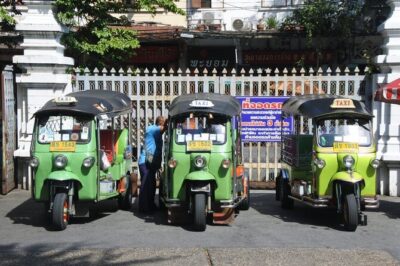
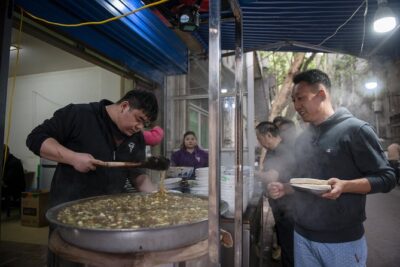
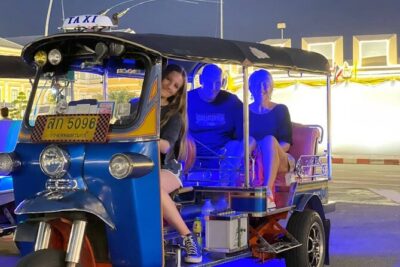
Bangkok Tuk-Tuk Tour by Night with Chinatown Street Food Meal
Read our review →
Ultimate Phnom Penh Food Tour by Tuk Tuk: 20 Tastings and Drinks
Read our review →
Where else this ride shows up