
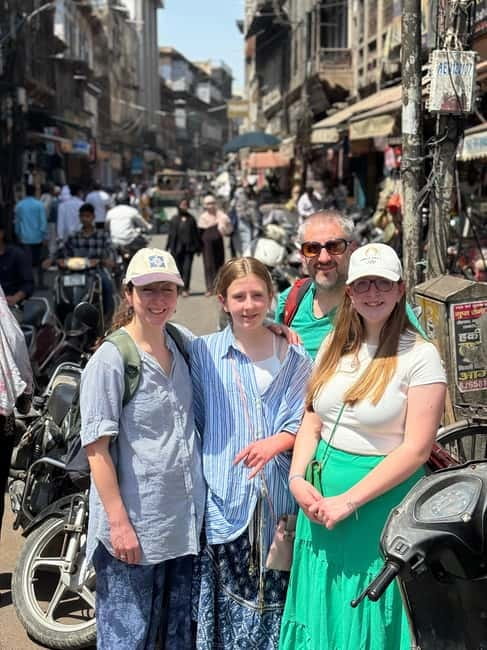
REVIEW · TUK TUK FOOD TOURS
Agra: Street Food Walking Tour, Spice Market, & Tuk-tuk Ride
Agra’s best moments are not all behind ticket gates. This tour leads you through the lanes around Jama Masjid, Mankameshwar Temple, and Kinari Bazaar, where shopkeepers, worshippers, spice sellers, and food vendors carry on with daily life. You get the famous monuments elsewhere, then see the city that supports them.
I like two things here. First, the guides, including Farman and Amir, are praised for looking after solo visitors in traffic and helping them read the maze of Old Agra. Second, the food is varied: samosa, dosa, aloo tikki, bhalla, sweets, chai, and seasonal gajar ka halwa may all appear. The catch is that the food is usually a series of snacks, not a formal meal, and a craft-shop stop can feel sales-oriented to some people.
Key points to know before you book
- Old Agra beyond the Taj Mahal: Walk through local shopping lanes that most first-time visitors would not find alone.
- Six or more food tastes: Try small portions of samosa, dosa, aloo tikki, pani tikki, sweets, chai, and other local bites, depending on the day.
- Two important religious sites: Visit Jama Masjid and Mankameshwar Temple, with guidance on local customs.
- A tuk-tuk through real city traffic: Hotel pickup and return are included, and the ride is part of the fun.
- About 90 minutes on foot: Wear shoes you can walk in and expect uneven, crowded lanes.
- A possible artisan-shop stop: You may see marble work, rugs, jewelry, embroidery, or other crafts, but you are not required to buy.
Why this is a useful second look at Agra
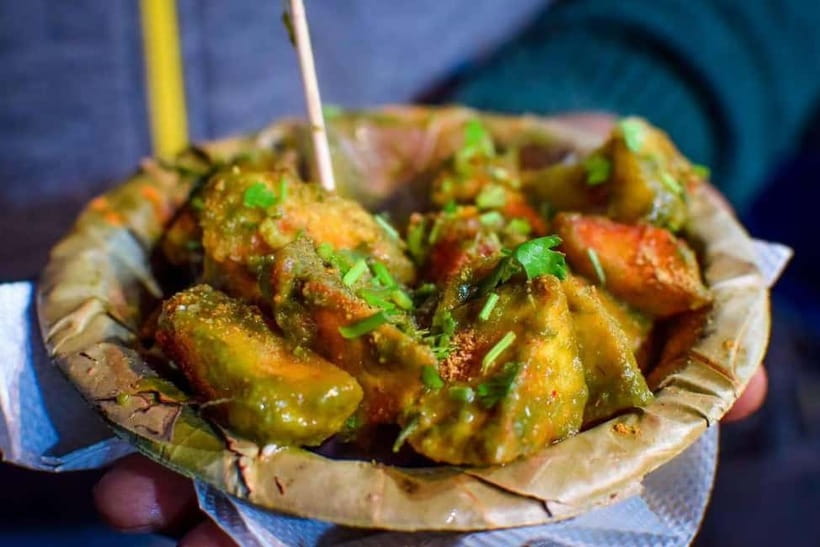
Most people come to Agra for the Taj Mahal. That is fair. But the Taj area can leave you with a polished, incomplete picture of the city. This short tour shifts the focus to Old Agra, where narrow lanes, shrines, food stalls, workshops, and old commercial streets provide the setting for everyday life.
I would place it on your first afternoon or evening, especially if you have already seen the Taj Mahal or Agra Fort. It gives you a better sense of the city’s scale and character without taking a full day.
The price is about $14 per person, which is unusually low for a private guide, tuk-tuk transport, hotel pickup, and food tastings when you select the food option. At that rate, the value comes less from formal sightseeing and more from having someone lead you confidently through places that are difficult to navigate on your own.
More Tuk Tuk Food Tours in India
- Agra: Street Food Tour with Spice Market on Tuk-Tuk Ride
★ 4.7 · 23 reviews - Agra: Street Food and Walk Tour with Spice Market by Tuk-Tuk
★ 5.0 · 18 reviews - Agra: Old City & Street Food Tour in Car, Tuk Tuk or Bike
★ 5.0 · 4 reviews
Pickup and the tuk-tuk ride into Old Agra
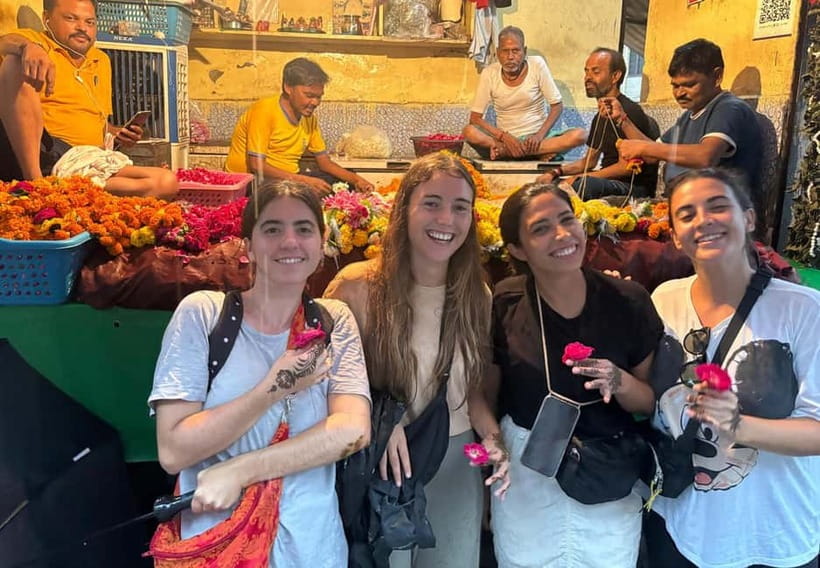
The tour begins with pickup at your hotel, railway station, or another agreed location in Agra. The transfer to the old-city area takes about 15 minutes, followed by another short ride back at the end.
The tuk-tuk is not just a practical taxi here. It puts you close to the sounds and movement of the city. Traffic can be intense, and several people describe the ride as exciting. The supplied tuk-tuk drivers are used to carrying tourists, and the guide generally helps you cross roads and stay aware of vehicles.
You should expect noise, fumes, sudden stops, and tight traffic. If you want a quiet, air-conditioned transfer, this is not the right vehicle. If you enjoy seeing a city at street level, the ride is one of the more memorable parts.
Pickup is a real advantage for a short tour. You do not have to find the market entrance or negotiate a rickshaw ride to an unfamiliar lane. Confirm your pickup point carefully when booking, especially if you are staying outside central Agra.
Jama Masjid and Mughal-era Agra
The first major stop is Jama Masjid, Agra’s large Friday mosque. The visit usually lasts about 30 minutes and includes time for photographs, a walk, and an explanation of the building’s design and place in the city.
This is not simply a quick photo stop. The guide can help you notice the Mughal details, explain how the mosque relates to Old Agra, and tell you what behavior is respectful inside a working place of worship. The setting also helps explain why the nearby lanes developed as a center for trade and local life.
Dress matters. Your shoulders and knees should be covered, and you should wear clothing that is comfortable for walking while still suitable for both the mosque and temple. Follow instructions about shoes and where to walk. Religious buildings are active places, not museum sets, so keep your voice low and avoid interrupting worship.
Jama Masjid may feel familiar if you have seen the larger mosque in Delhi, but the surrounding streets give this stop its own character. It connects architecture with the people who use the area today.
Mankameshwar Temple and local faith
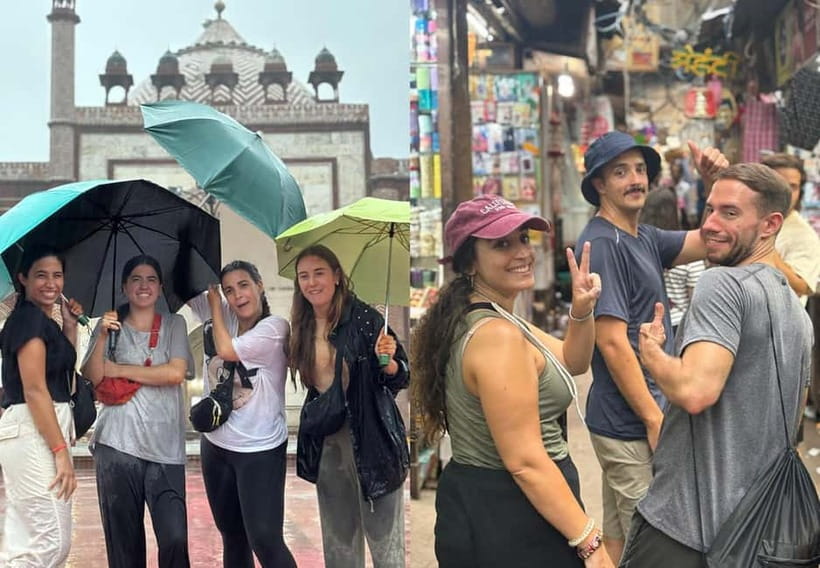
A short walk takes you to Shri Mankameshwar Mandir, an old Hindu temple dedicated to Lord Shiva. The tour allows roughly 30 minutes here, including a guided visit and time to observe the surrounding activity.
The temple is important because it adds a different religious tradition to the same compact part of Agra. Seeing a mosque and a Hindu temple on one walking route gives you a more useful picture of the city than visiting only imperial buildings.
The exact atmosphere can vary. At some times, the temple may be calm; at others, it may feel crowded and active. Your guide should explain the basic customs and help you move through respectfully. Dress that covers your shoulders and knees is required for this stop too.
A few descriptions of the temple refer to it as thousands of years old. Treat such claims as part of local religious tradition rather than a simple archaeological date. The important point for your visit is that this is a living place of worship with a long connection to Agra’s spiritual life.
More Tuk Tuk Food Tours in Agra:
- Bangkok: Midnight Food Tour by Tuk-Tuk
★ 4.9 · 2,054 reviews - Bangkok: Michelin Guide Street Food Tour by Tuk Tuk
★ 4.4 · 1,274 reviews - Xi’an Evening Food Tour by TukTuk
★ 5.0 · 715 reviews - Bangkok Tuk-Tuk Tour by Night with Chinatown Street Food Meal
★ 5.0 · 635 reviews
Seth Gali: where the food begins
Seth Gali is the first main food area. You may stop for snacks, tea, sweets, and local dishes, with about 30 minutes set aside for tasting and walking.
The food is served in small portions, so you can try several things without committing to one large plate. Possible tastes include samosa, dosa, chole bhature, aloo tikki, pani tikki, bhalla, sweets, and masala tea in a clay cup. Not every tour will serve every item. Availability depends on the stalls, time, season, and the food option you choose.
This is the place to ask your guide what is best that day. Farman and Amir are repeatedly praised for explaining local dishes and adjusting the pace to suit their guests. If you are vegetarian, say so clearly at the start. One family specifically chose vegetarian food and found the selection plentiful.
Expect street food to look different from restaurant food. Some stalls may seem rough by Western standards, and the setting can be crowded. You are choosing the tour partly because it takes you to ordinary local food places, so keep your expectations realistic. If you have a sensitive stomach, eat modestly at first and tell the guide about any allergies or restrictions.
One useful seasonal detail is gajar ka halwa, a warm carrot dessert that is especially associated with winter. It may not be available in warmer months. Sweet naan, barfi, chom chom, and other sweets may also appear.
Rawatpara Road and the spice market
Rawatpara is Agra’s spice-market area. Here the food focus continues, but the surroundings become just as important as the tasting.
You will see sacks, packets, and displays of spices, and the air carries the sharp, sweet, earthy smells that make Indian markets so memorable. Your guide can explain ingredients and point out how the market functions as a working place rather than a display made for sightseeing.
Give yourself time to look. The colors and aromas are strong, and the lanes can be tight. Keep your bag close, watch your footing, and stay near your guide when vehicles or handcarts pass through.
The market is also a reasonable place to buy tea or spices if you want a small, practical souvenir. Ask about prices and packaging before purchasing. You do not need to buy anything to enjoy this part of the walk.
Food hygiene is always a personal decision on a street-food tour. A guide who knows the area can direct you to established stalls, but no tour can remove every risk. Bring any medication you normally use, drink only beverages you are comfortable with, and do not feel obliged to finish a dish you dislike.
Kinari Bazaar and the shopping lanes
Kinari Bazaar is a major highlight for anyone who likes local commerce more than polished shopping centers. The market is known for traditional jewelry, textiles, embroidery, handicrafts, and wedding-related goods.
This is where the tour shows you the working side of Agra. You may see shopkeepers arranging fabric, jewelry displays catching the light, and narrow lanes filled with goods for local buyers. The market can feel crowded and confusing, which is precisely why a guide is useful.
You will have time to browse and may find tea, spices, textiles, jewelry, or small gifts. Bargaining may be part of the process, but do not buy simply because you feel pressured. One good approach is to decide what you want before entering a shop, compare prices, and keep your budget in mind.
The craft stop deserves a clear warning. The route may include a workshop or shop showing marble work, rugs, embroidery, jewelry, or other Indian crafts. Some people enjoy seeing how the items are made and use the stop to choose a souvenir. Others find the sales pitch uncomfortable, particularly if the guide steps away and staff begin pressing for a purchase.
You can politely say that you are only looking. If you want a tour focused only on food and streets, ask in advance if the craft stop can be shortened or skipped. The low price may partly reflect the commercial relationships built into this kind of tour, so it is best to know that before booking.
How much food will you actually eat?
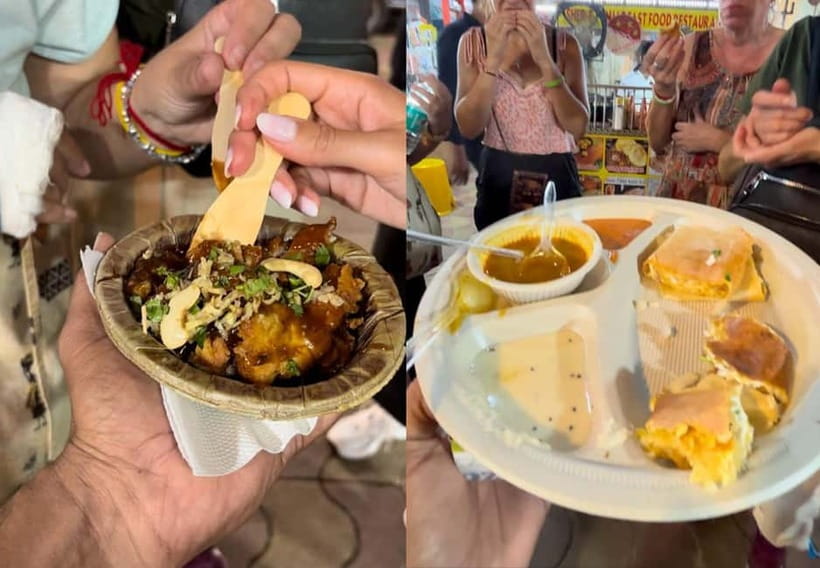
The food option can be enough for a light dinner, but you should not assume a restaurant-sized meal. One portion may be a small plate, a piece of sweet, or a cup of chai. The attraction is variety, not quantity.
You might taste six different items, or you might receive fewer dishes depending on the stalls and your preferences. The menu can include:
- Samosa
- Dosa or chole bhature
- Aloo tikki and pani tikki
- Bhalla with curry
- Local sweets such as barfi or chom chom
- Masala tea served in a clay cup
- Seasonal dishes such as gajar ka halwa
I like this format because it lets you sample foods you might not order on your own. It also makes the tour suitable for curious eaters who want an introduction rather than a long culinary class.
If you are very hungry, eat a small meal beforehand or plan dinner afterward. If you select the option without food included, you can buy items as you go, which may offer better control over what and how much you eat.
Timing, walking, and practical comfort
The listed duration is two to three hours. The walking portion is about 90 minutes, with the remaining time split between tuk-tuk transfers, sightseeing, food stops, and shopping or craft visits.
Suggested start times are 2 p.m. to 4 p.m. in winter and 4 p.m. to 6 p.m. in summer. These times place much of the walk later in the day, but conditions can still be hot, noisy, or crowded.
Wear comfortable shoes and clothes. Sandals may be less useful on uneven market lanes, and loose clothing that covers the shoulders and knees is the safest choice for both religious sites. Bring a small amount of water, though drinks are not included in the tour price.
This is not a good fit for pregnant women or people with pre-existing medical conditions, according to the activity restrictions. The walking, traffic, and tuk-tuk ride require a reasonable level of comfort with uneven urban conditions.
The tour is available with an English or Spanish-speaking guide. If you have a strong language preference, select it when booking and confirm it before the day of the tour.
Who will get the most from this tour?
I would recommend this for a first visit to Agra after the main monuments, a solo visitor who wants help navigating the old lanes, or a couple who prefers food and daily life to another formal museum.
It is also useful for families with older children. One guide adjusted the pace and food choices for a 10-year-old, and the mix of tuk-tuk rides, sweets, temples, and market stalls gives children plenty to notice.
Solo women may appreciate the pickup, return, and guide support in traffic. Several visitors specifically valued having Farman or Amir nearby while walking through crowded streets. That does not mean you can ignore normal city precautions, but a local escort makes the route less stressful.
I would hesitate if you want a quiet, polished food tour with a fixed menu. I would also hesitate if you dislike crowds, street traffic, or any possibility of shopping pressure. The charm here comes from the real city, and real city conditions can be messy.
Is the $14 price good value?
At $14, the tour is a strong value if the food option is included and you want a guide-led introduction to Old Agra. You receive hotel pickup and drop-off, a private local guide, tuk-tuk transport, religious-site visits, market walks, and several food tastes.
The value is less clear if you mainly want a full dinner. In that case, the cheaper no-food option may make sense because you can buy only the dishes that interest you. You should also remember that monument entrance fees and drinks are not included.
The tour’s best value is access. You could walk around these areas alone, but finding the food stalls, understanding the religious sites, and navigating the market maze would take more time and confidence. The guide turns a confusing few hours into a focused introduction.
Should you book it?
Book this tour if you want to see Old Agra beyond the Taj Mahal, taste several local snacks, and travel through the city with a guide who can manage the traffic and explain what you are seeing. Farman and Amir are the names to request if the booking system allows guide selection, though availability may vary.
Choose the food-included option if you want convenience and a broad tasting. Choose the no-food option if you prefer to buy selectively or are cautious about unfamiliar dishes.
Go in with the right picture: this is a lively walking tour with snack stops, not a formal culinary seminar. Allow for a possible craft-shop visit, wear modest clothing, and keep an open mind. For a short, inexpensive look at the streets most visitors miss, it earns its place beside Agra’s headline sights.
FAQ
How long does the Agra street food tour last?
The tour lasts about two to three hours. The walking portion is roughly 90 minutes, with tuk-tuk transfers and stops making up the rest.
What food can I try?
Possible tastings include samosa, dosa, chole bhature, aloo tikki, pani tikki, bhalla, local sweets, masala tea, and seasonal gajar ka halwa. The exact selection can vary.
Is hotel pickup included?
Yes. Pickup and drop-off are offered from hotels, railway stations, or another agreed location in Agra.
Which religious sites are included?
The route includes Jama Masjid and Shri Mankameshwar Mandir. You should wear clothing that covers your shoulders and knees.
Is the tuk-tuk ride included?
Yes. Transfers during the tour, including the ride from your pickup point and the return journey, are provided by tuk-tuk.
Are drinks and entrance tickets included?
Drinks and monument entrance tickets are not included. Street-food snacks and sweets are included only if you select the food option.
Can I cancel the booking?
You can cancel up to 24 hours in advance for a full refund. A reserve-now, pay-later option is also available.
More Shopping Tours in Agra
- Kampot: Tuk Tuk Trip to Pepper Farm, Kep, Crab Market & More
★ 4.9 · 143 reviews - Jaipur Tuk-Tuk Tour with Flower Market Visit
★ 5.0 · 124 reviews - Jaipur Tour by Tuk-Tuk or Car with Flower Market
★ 5.0 · 120 reviews - Phnom Penh Morning Market & Food Tour by Tuktuk – Includes All Food & Drinks!
★ 5.0 · 99 reviews
More Market Runs in Agra
- Agra: Sadar Bazar Food Market Night Walking Tour by Tuk-Tuk
★ 4.9 · 25 reviews - Chef Vu Cooking Class Plus Market Trip in Saigon Center (Pick up by Cyclo)
★ 5.0 · 477 reviews - Authentic Thai Cooking with the Largest market visit &TukTuk ride
★ 5.0 · 350 reviews - Chiang Mai Temples and Market Tuk-Tuk Evening Night Tour
★ 4.5 · 201 reviews
Just added around Agra
- Taj Mahal Half Day Tour by Tuk Tuk★ 5.0 · 16 reviews
- Private Agra Day Tour With Tuk Tuk★ 5.0 · 2 reviews
- Taj Mahal Tour By Auto Or Rickshaw★ 5.0 · 10 reviews
- Agra: Street Food and Walk Tour with Spice Market by Tuk-Tuk★ 5.0 · 18 reviews
- Behind the Taj Mahal with Sunrise or Sunset view by Tuk Tuk Ride★ 4.0 · 4 reviews
- Taj Mahal And Agra Fort Private Sunrise Full Day Tour by Tuk-Tuk★ 5.0 · 3 reviews
- Agra: Taj Mahal, Agra Fort and Baby Taj Private Tour by Tuk-Tuk★ 5.0 · 2 reviews
- City tour, Agra 8 hours tuk- tuk/ Rickshaw ride★ 5.0 · 2 reviews
Tuk Tuk Food Tours, compared.

Bangkok Tuk-Tuk Tour by Night with Chinatown Street Food Meal
Read our review →
Ultimate Phnom Penh Food Tour by Tuk Tuk: 20 Tastings and Drinks
Read our review →
Where else this ride shows up