
REVIEW · PHILIPPINES TUK TUK TOURS
Manila Tuktuk and Jeepney Ride Guided Tour
Manila makes more sense when you ride through it at street level. This two-hour tour uses a tuk-tuk, tricycle, and jeepney to reach old downtown, Chinatown, Divisoria, and Tutuban, giving you a close look at the city beyond its polished landmarks.
I like the way the tour puts local transport at the center of the experience, and I like the chance to see places you might not find on your own, including a local residence and one of the city’s largest market areas. Guides such as Floyd and Veronica are praised for their humor, clear communication, and care with guests.
The main tradeoff is comfort. Streets around old Manila and Divisoria can be crowded, noisy, and rough around the edges, and the short tour cannot offer a long stop at every place. One booking also noted that some sights could be more appealing and the ride more comfortable.
Key points to know before you book
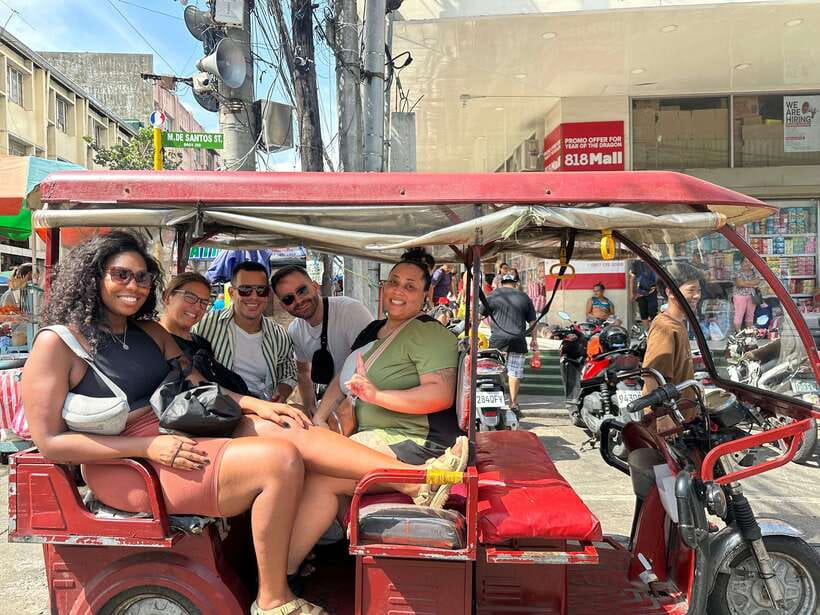
- Three kinds of local transport: You may ride a tuk-tuk, tricycle, and jeepney, each showing a different side of Manila’s daily travel.
- Old Manila and Chinatown: The route takes you through historic downtown areas, including the city’s oldest Chinatown.
- Divisoria and Tutuban: Expect a close look at major market districts and the busy commercial side of Manila.
- Guides with personality: Floyd is described as funny and informative, while Veronica is praised for her cultural knowledge and careful hosting.
- A small-group feel: One booking specifically appreciated the small group, which matters when moving through crowded streets.
- Two hours, not a full city tour: This is a brisk introduction to Manila, not a slow museum-and-monument itinerary.
Riding Manila at street level
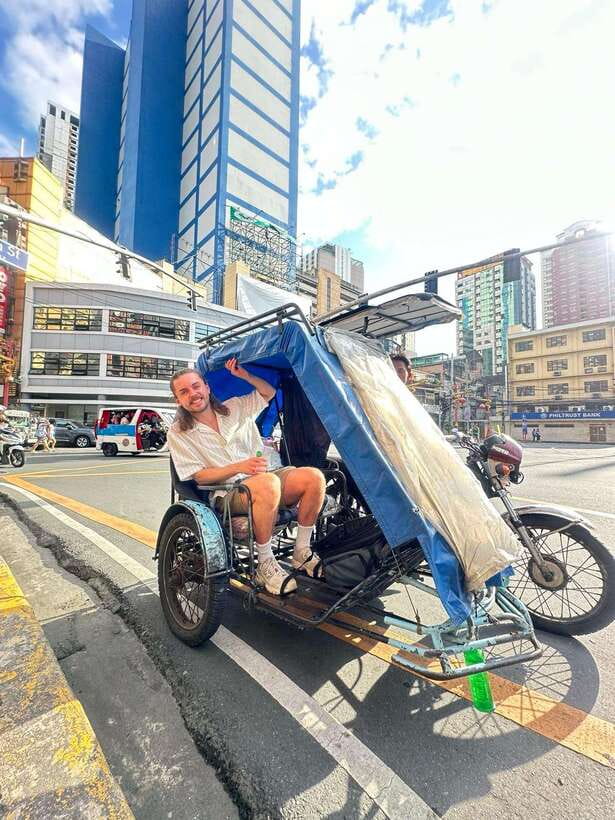
The appeal here is simple: you are not sealed inside a large bus or moving from one major sight to another in a private car. You are placed in the middle of Manila’s everyday traffic, riding the compact vehicles that locals use and seeing the city at close range.
A tuk-tuk or tricycle gives you a low, open view of the streets. You can watch shops, sidewalks, signs, traffic, and people pass only a short distance away. The jeepney adds a different layer. These colorful public vehicles are closely tied to life in the Philippines, and riding one makes the journey itself part of the tour.
The exact order of the rides can depend on the day and local conditions. You should think of the tour as a guided street circuit rather than a fixed procession with a long stop at every address. The guide arranges the local transport and leads you between areas, so you can focus on what is around you instead of working out the route yourself.
That is especially useful in Manila. The city can feel confusing at first, with districts changing quickly and traffic shaping every short journey. A local guide gives you context as you move, helping you understand what you are seeing rather than simply pointing at it.
More Guided Tours in the world:
- Porto: Guided Tour by Tuk-Tuk & Optional Douro River Cruise
★ 4.5 · 5,980 reviews - Lisbon: Private Guided Tuk-Tuk Tour with Hotel Pickup
★ 4.9 · 4,552 reviews - Madrid Welcome Tour with Local Guide in Eco Tuk Tuk Private
★ 5.0 · 2,936 reviews
Old Manila and the city’s oldest Chinatown
The old downtown area gives the tour some historical weight. It is not presented as a formal museum visit, and you should not expect long indoor talks or a set of landmark admissions. Instead, you see the older city through its streets, buildings, shops, public transport, and daily routines.
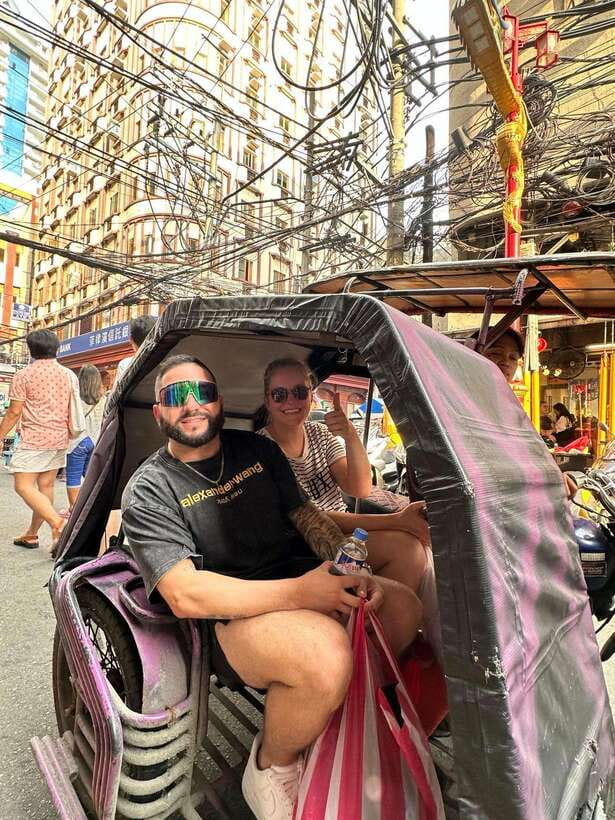
Chinatown is one of the main draws. The tour includes Manila’s oldest Chinatown, an area where food, commerce, religion, and family business have shaped the city for generations. Even with only a short visit, the district helps explain why Manila feels like many cities layered together rather than one single urban center.
You may be able to stop for food or see local cuisine along the way, since the tour description includes tasting Filipino dishes as part of the day. No specific dishes or restaurant are listed, so you should not book this as a dedicated food tour. Think of food as one possible part of the street experience, with the focus remaining on transport, neighborhoods, and local life.
Your guide matters here. Floyd has been singled out for being funny and informative, which is a useful combination on a short tour. A guide who can explain a place while keeping the pace light makes it easier to absorb a busy district without feeling buried in facts.
Divisoria and Tutuban after the polished postcard
Divisoria is where the tour shifts from old streets and Chinatown to the practical, commercial side of Manila. It is known in the tour material as one of the city’s biggest market areas, and Tutuban is part of the route as well. These districts show Manila as a place where people shop, work, trade, and move goods every day.
This is not the calmest part of the city. You should expect crowds, traffic, noise, and a lot to look at. That can be tiring, but it is also the point. If you want only grand churches, tidy plazas, and carefully framed photo stops, this tour may feel too raw. If you want to see how the city works at street level, Divisoria is one of the most useful stops.
Tutuban Center Mall is also the meeting point, at Bonifacio Monument. When you arrive, ask the security staff where to find the tour. That simple step matters because the meeting location is inside a busy commercial setting, not a quiet hotel lobby or an obvious sightseeing gate.
The route may also include a local residence. The information provided does not explain whether this is a formal home visit or a brief look at a residential area, so you should keep your expectations flexible. Its value is the chance to see a side of Manila that standard sightseeing routes often skip, but it may not suit you if you prefer a strictly landmark-based tour.
What the jeepney, tricycle, and tuk-tuk add
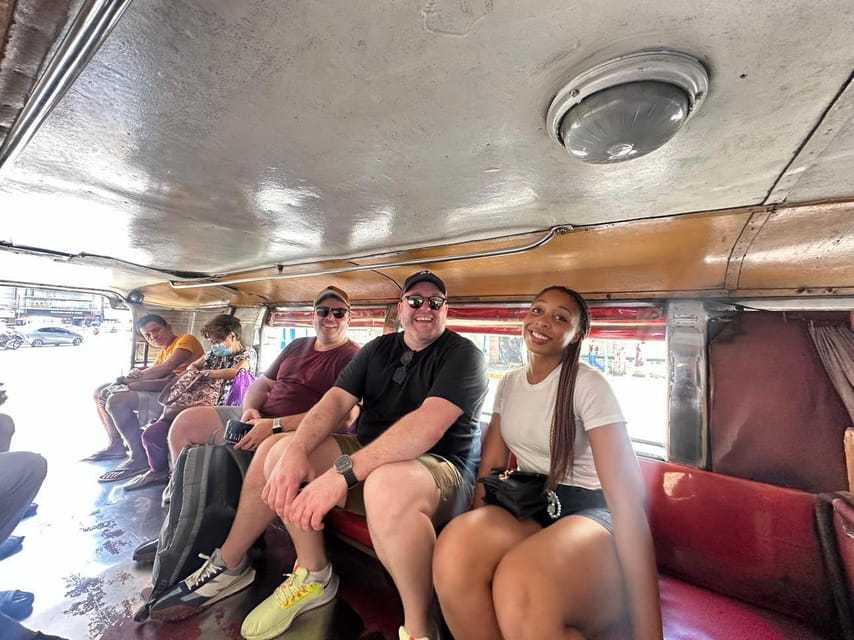
The three vehicles are not just decoration. They shape the experience in different ways.
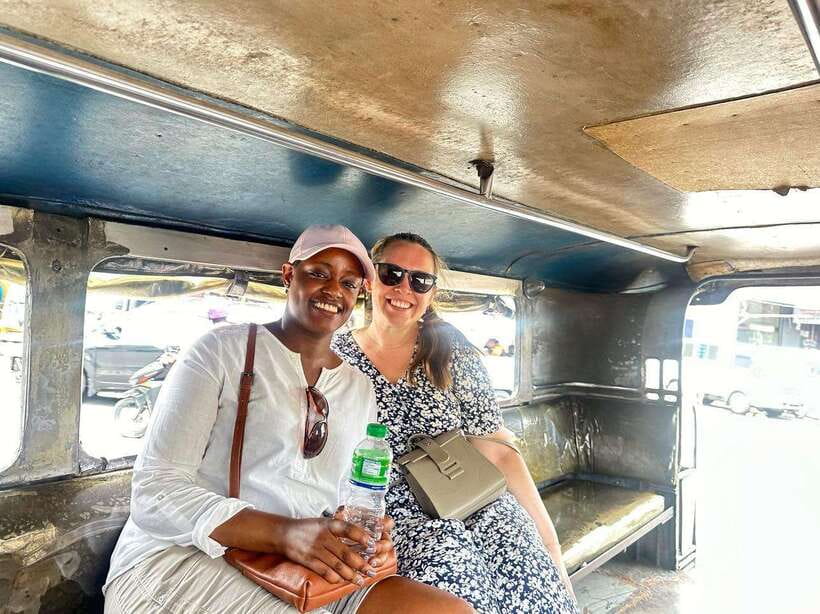
A jeepney gives you a taste of public transport that is strongly associated with the Philippines. It is a shared vehicle, and the ride can feel more social and less controlled than a private transfer. The benefit is authenticity. The drawback is that comfort and space may be limited.
A tricycle or tuk-tuk is smaller and better suited to narrow streets and short neighborhood routes. It puts you closer to the action, but it also means less protection from heat, traffic noise, and the uneven movement of city roads.
The tour includes local transport, a guide, and the experience of riding all three types of vehicles. Since it lasts only two hours, you are likely to spend a meaningful portion of the time moving between stops. That is not wasted time here. The rides are the main event.
You should dress for a city outing rather than a formal excursion. The supplied details do not list clothing requirements, so I would keep it simple: wear practical clothes and shoes that suit walking around market districts and getting in and out of compact vehicles. The tour description does not promise air conditioning or luxury seating, so comfort-minded visitors should keep that in mind.
More Tuk Tuk Tours in the world:
- True 4Hour Private Tuk Tuk Tour: Discover Lisbon with a Local!
★ 5.0 · 8,008 reviews - Private Lisbon Sightseeing Tuk-Tuk Tour: Alfama, Belém & More
★ 5.0 · 4,277 reviews - Bangkok by Night: Temples, Markets and Food Tuk-Tuk Tour
★ 5.0 · 3,752 reviews - Madrid: Private City Tour by Eco Tuk Tuk
★ 4.9 · 3,465 reviews
The guide can make or break a short tour
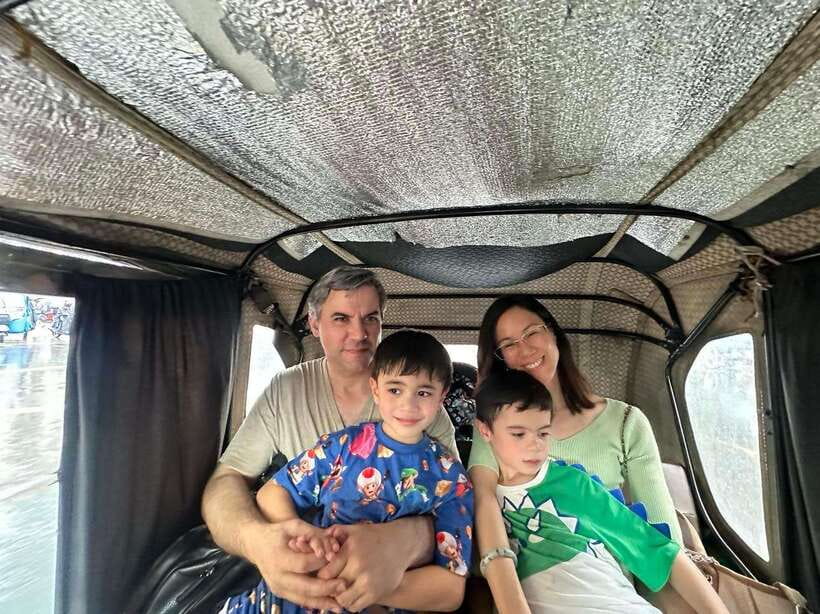
With two hours available, the guide has to do several jobs quickly: organize the vehicles, explain the districts, keep the group together, and answer questions while traffic and noise compete for attention.
Floyd is specifically praised for being informative and funny. He also helped the group communicate and connect, which suggests a friendly approach rather than a lecture delivered at arm’s length. That can be especially helpful if you are new to Manila and want to ask basic questions without feeling awkward.
Veronica is praised for helping guests enjoy the local experience safely and comfortably, with strong knowledge of Philippine culture. Her role appears to be particularly valuable for visitors who want cultural explanation alongside the rides.
The tour is offered in English. That makes it practical for English-speaking visitors who want more than a driver and a photo stop. Still, the city itself can be loud, so you may need to stay close to the guide and ask for a point to be repeated if traffic drowns out part of the explanation.
How much value do you get for $65?
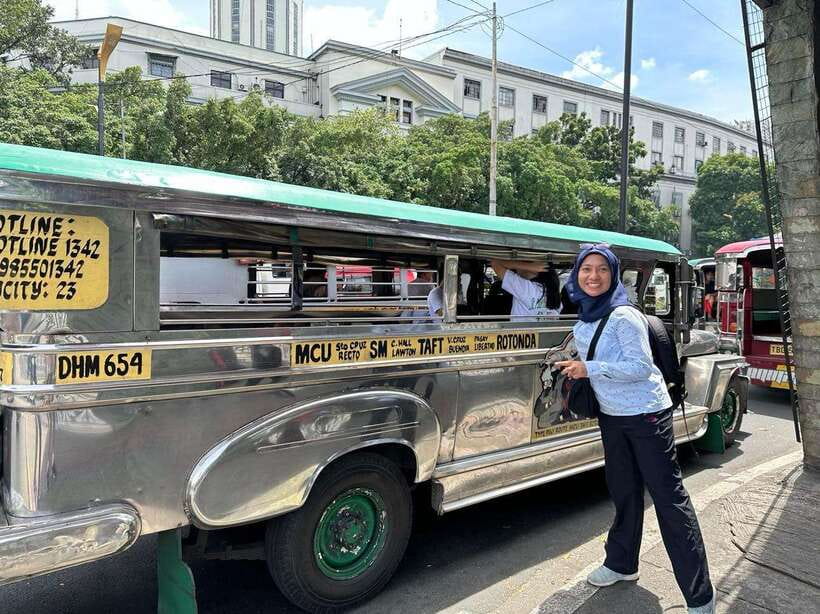
At $65 per person, this is not the cheapest way to move around Manila. You could spend far less using public transport on your own. The price makes more sense if you value the guide, the planning, and the chance to combine several forms of local transport in a short period.
You are paying for more than a ride. The tour arranges the tuk-tuk, tricycle, and jeepney experience, takes you through areas that can be difficult to interpret alone, and adds a local person who can explain what you are seeing. For a first look at Manila, that structure can save time and reduce the stress of working out where to go.
The value is strongest for someone with limited time. Two hours is short enough to fit into a Manila stopover or an open morning, yet long enough to reach several distinct districts. It is less valuable if you already know old Manila, Chinatown, Divisoria, and Tutuban, or if you are comfortable arranging local rides without help.
Do not expect the price to cover a full day of meals, landmark admissions, or a long list of formal attractions. The included features are the local guide and local transportation experience. Food may be part of the outing, but no specific meal or tasting package is guaranteed in the supplied details.
What the tour does well, and where it could improve
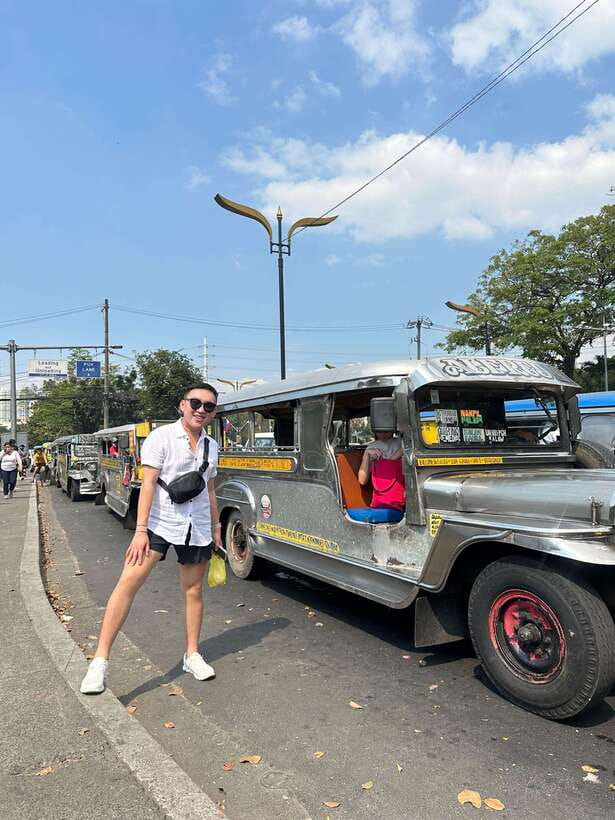
The strongest point is access. A visitor can easily see Manila through major attractions and hotel districts, but it is harder to understand the city’s ordinary movement and commerce. This route takes you into old downtown, Chinatown, market districts, and residential surroundings, with transport that locals recognize and use.
The small-group format is another plus. One booking specifically valued the small group, and that makes sense here. Compact vehicles and crowded streets are easier to manage when the group is not large. It also gives you a better chance to hear the guide and ask questions.
The experience is not designed for polished comfort. One booking noted that some areas could be improved and that the sights could be more appealing. That is fair. Divisoria and older downtown districts may be fascinating, but they are not arranged for easy sightseeing. You may see litter, cramped streets, rough buildings, and poorer areas. The tour gives you a more honest look at Manila, but it does not soften every part of the city.
Some people may also find the two-hour length too brief. You will move through several parts of the city, but you may not have time to linger, shop, eat at length, or explore each area on foot. I would treat it as an orientation tour that helps you decide where you want to return later.
Who should book this Manila ride?
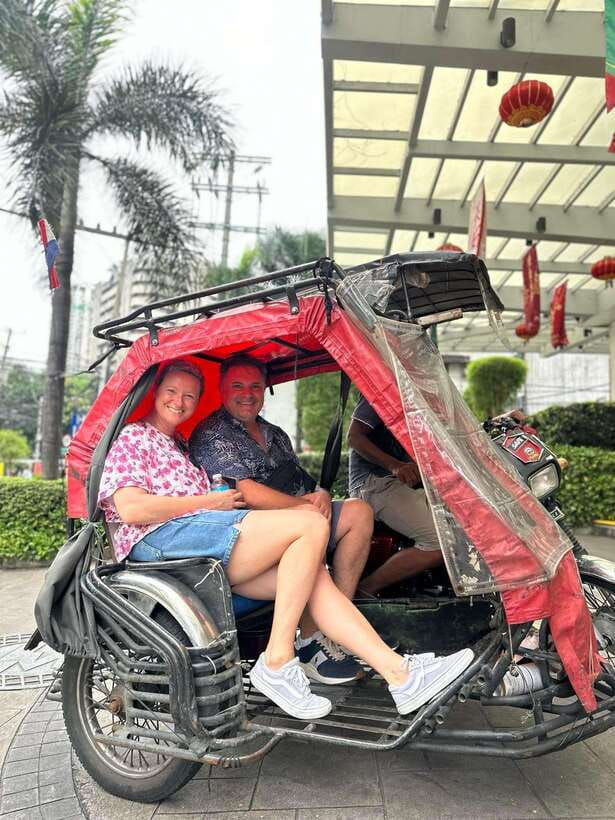
I would recommend it to first-time visitors who want to understand Manila beyond the standard checklist. It suits you if you enjoy public transport, street scenes, local markets, and a guide who can explain daily life as you go.
It is also a good fit for people who want a manageable introduction rather than an all-day commitment. The two-hour schedule leaves room for other plans, and the reserve-now, pay-later option keeps your booking flexible. You can cancel up to 24 hours before the tour for a full refund.
Families and older visitors should consider comfort carefully. The activity is not suitable for people over 95, and the supplied information does not promise accessible vehicles or special seating. If you have mobility or comfort concerns, ask the operator before booking.
You should skip it if your ideal Manila day means air-conditioned transport, quiet streets, formal museums, and carefully selected monuments. This is a street-level experience, and the rough edges are part of what you are paying to see.
Practical details at a glance
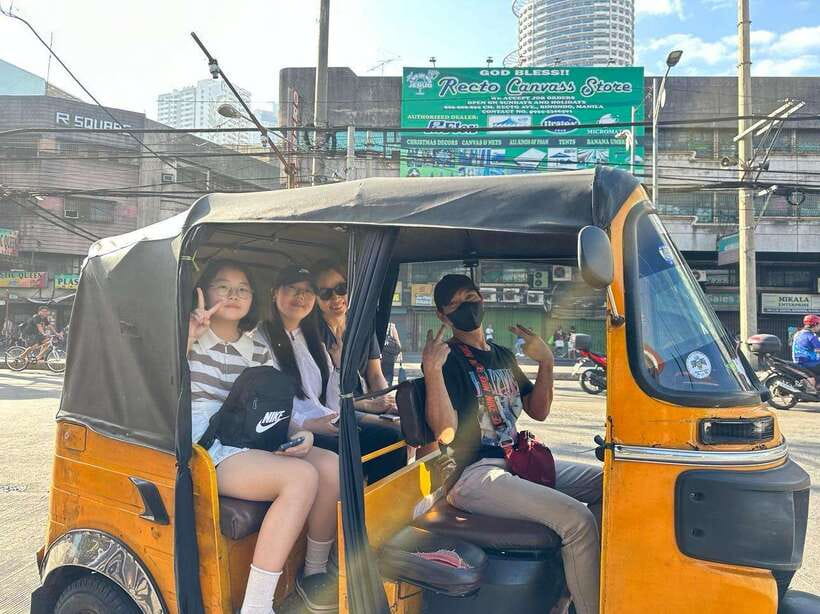
The experience costs $65 per person and lasts two hours. It is offered with a live English-speaking guide, and the listed provider is V.S Tour Services.
Meet at Tutuban Center Mall, Bonifacio Monument. Ask the security staff where to find the tour when you arrive. Starting times vary, so check availability for the date you want.
The tour includes a local guide and the experience of riding a jeepney, tricycle, and tuk-tuk. The available information does not list hotel pickup, a fixed meal, entry fees, or a detailed stop-by-stop timetable, so do not assume those are included.
The supplied location is listed as Nueva Vizcaya, while the meeting point and all named sights are in Manila. Because of that mismatch, confirm the exact operating location and meeting instructions before you pay.
Should you book the Manila Tuktuk and Jeepney Ride?
Book this tour if you want Manila as it is lived, not just Manila as it is photographed. The best reasons are the mix of local transport, old Chinatown, Divisoria, Tutuban, and access to areas you may not confidently reach alone.
I would choose it early in a Manila visit, when a guide can help you understand the city and point out districts worth seeing again. I would not choose it for a relaxed luxury outing or a detailed historical tour. At $65, the value rests on the guide and the access, not on comfort.
If Floyd or Veronica is leading your departure, you can expect a guide with a personal, friendly approach. Keep your plans flexible, arrive at Tutuban Center Mall with time to ask for directions, and treat the two hours as a lively introduction rather than a complete tour of Manila.
FAQ
Where does the Manila Tuktuk and Jeepney Ride begin?
The meeting point is Tutuban Center Mall at Bonifacio Monument. Ask the security staff where to find the tour.
How long does the experience last?
The tour lasts two hours. Starting times depend on availability for your chosen date.
Which types of transport are included?
The experience includes local transportation by jeepney, tricycle, and tuk-tuk.
Is an English-speaking guide provided?
Yes. The tour includes a live guide in English. Guides named in the supplied information include Floyd and Veronica.
How much does the tour cost?
The listed price is $65 per person.
Can I cancel or pay later?
You can cancel up to 24 hours in advance for a full refund. You can also reserve now and pay later, keeping your plans flexible.
Just added around the world
- Tuk Tuk City tour with ramesh jodhpur.★ 5.0 · 18 reviews
- TUK TUK MAPUTO CITY TOUR★ 4.3 · 72 reviews
- Tuk Tuk Funchal City – Madeira Island★ 4.8 · 3 reviews
- Tuk Tuk Coastal Tour★ 5.0 · 10 reviews
- Trang: City Tour By Tuk Tuk★ 5.0 · 2 reviews
- Trusty Tuk Tuk★ 5.0 · 4 reviews
- Lisbon: Private Tuk-Tuk Tour★ 5.0 · 56 reviews
- Trip with Local tuk tuk to Country side & Pepper farm…★ 5.0 · 13 reviews
Philippines Tuk Tuk Tours, compared.

Discover the Real Manila with Tuktuk and Jeepney
Read our review →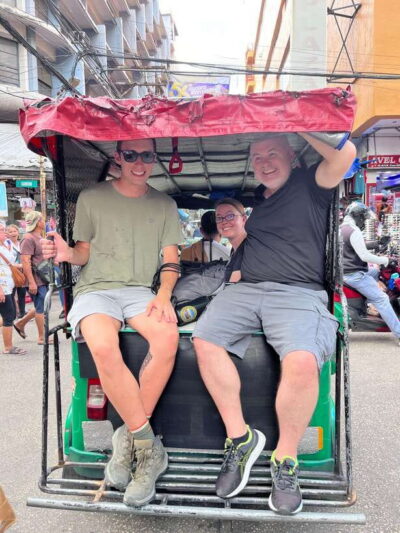
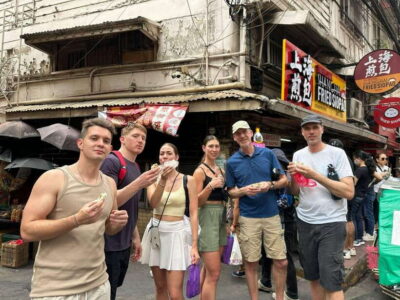
Manila Street Food and Drinks with Tuktuk Experience
Read our review →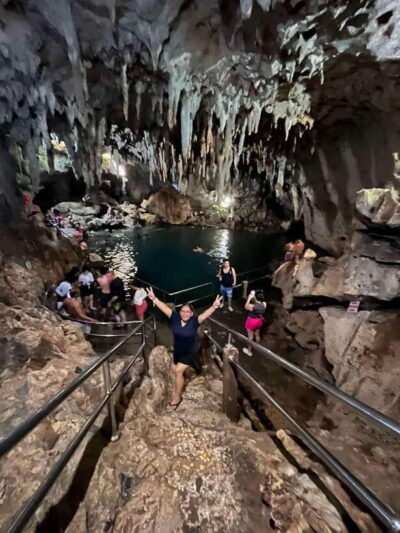
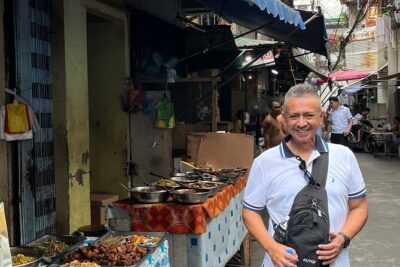
The Jeepney & Tuk Tuk Adventure ride with Local Guide
Read our review →Where else this ride shows up